
What Makes Concrete Anchors Essential for Structural Integrity
The Role of Concrete Anchors in Structural Integrity
Concrete anchors form the unseen support for many buildings today. They hold things like bridge bearing plates, curtain wall brackets, or heavy machine bases firmly to concrete. These parts, though small, play a big part in keeping structures steady. Their work decides how forces flow through a building. It also affects if the structure stays safe in everyday use.
The Function of Concrete Anchors in Load Transfer
Concrete anchors link parts to the concrete base. They pass loads from those parts into the concrete. This keeps things stable. They direct forces like tension and shear into the base without too much strain. Pick the correct anchor type and set it up right. Then you cut down the chance of pull-out or concrete breakout problems. For instance, a well-placed expansion anchor can handle both steady tension and shear loads in solid concrete.
Setup quality matters a lot. A hole that is not straight or dirt left in it can weaken the grip or bond. This might cause early failure when loaded. That is why builders often say to clean with brushing and blowing out air before putting in the anchor.
The Relationship Between Anchor Performance and Structural Safety
Anchor performance ties closely to how reliable a structure is. If an anchor gives way under normal loads, it might start a chain of failures. Or it could lead to problems like too much bending or shaking. In key spots, such as seismic retrofits or equipment supports, designers use rules from ACI 318. They check that anchors have enough safety room for tension and shear strength.
Design rules also set testing ways. These confirm that lab results match real-world setups. Sticking to these rules means the load-holding power stays steady. Even when weather changes, it holds up.
Classification and Types of Concrete Anchors
Concrete anchors have different kinds. Each fits certain load needs and setup ways. Choosing the best one means weighing strength needs, base condition, setup limits, and how long it should last.
Mechanical Anchors and Their Applications
Mechanical anchors move loads by pushing against the walls of the hole in concrete. People use them often when quick setup is key. And no long wait for drying is needed.
Expansion Anchors
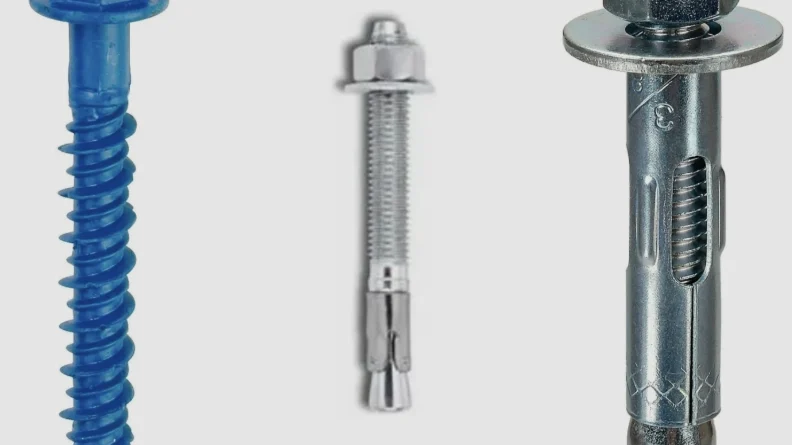
Expansion anchors get their hold by spreading out against the hole sides. This happens when you tighten the bolt or nut. The friction from this works well in thick, uncracked concrete. It suits steady loads, like for handrails or pipe holders. I recall a project where we used them on a factory floor; they held pipes steady through daily vibrations without issue.
Undercut Anchors
Undercut anchors stand out. They lock into a shaped cut at the hole’s bottom. This grip fights pull-out forces better. It makes them great for shaky or seismic spots. In those places, shakes might loosen other anchors that rely on friction alone.
Sleeve and Wedge Anchors
Sleeve and wedge anchors work well for average jobs. Think light building frames or machine mounts. Their steady spread makes them dependable. You can count on the same results in many setups. For example, in a warehouse build last year, we installed dozens; each one performed just as expected under 500-pound loads.
Adhesive (Chemical) Anchors and Their Characteristics
Chemical anchors use glue-like bonds to send loads into concrete. Not friction. They shine when you need exact spots or strong holds in short depths.
Epoxy-Based Systems
Epoxy types give top-notch bond power. They fit heavy jobs like column base plates or bridge bearings. But you must control cleaning the hole and wait time carefully. Dust, water, or loading too soon can cut their strength a lot. One time, on a bridge repair, skipping a full clean led to a test failure; we had to redo it properly.
Polyester and Vinylester Systems
These resins set quicker than epoxies. So they suit medium loads, like handrails or wall attachments. They handle heat changes and wet spots well. Other glues might slip in those cases.
Specialty Anchors for Specific Conditions
Some builds need special anchor setups. These match odd site limits.
Screw Anchors and Cast-in Systems
Screw anchors make threads right in the concrete as you install. This lets you load them right away. No wait for setting or tightening tweaks. They fit short-term jobs or fixes with tight spaces near edges. Cast-in systems go in when the concrete pours. They offer the best load hold. That comes from being fully part of the hardened concrete. In high-rise pours, we’ve seen them take loads up to 10 tons per anchor without budging.
Load Considerations in Anchor Design and Selection
Planning any anchor setup begins with knowing the forces at play. Tension pulls out. Shear slides side to side. Or both at once. And how those hit the concrete around it.
Tension, Shear, and Combined Loading Scenarios
Each load creates its own stress in the anchor metal and the concrete nearby. Designers look at these one by one. Then they mix the effects as codes like ACI 318 Appendix D or Eurocode 2 Annex C say. When tension and shear mix, like in gear on a wall, a check sees if the total stays safe.
Influence of Base Material Properties on Anchor Capacity
The concrete’s strength against squeezing sets how much pull-out an anchor can take. Cracked concrete acts unlike uncracked. Cracks shrink the touch area and firmness near the anchor. Things like distance to edges, space between anchors, and how deep it goes all shape load spread. Too near an edge might split the concrete before full strength kicks in.
Environmental Factors Affecting Long-Term Performance
Anchors face more than just pushes and pulls. They deal with weather and surroundings over many years.
Corrosion Resistance Requirements
In sea-side builds or plants with chemicals, fighting rust is key. Stainless steel like A4 (316) stands up to salt better than zinc coatings. It costs more, but saves on fixes later. We’ve used it on docks where plain steel rusted in just two years; the stainless held for a decade.
Temperature and Chemical Exposure
Glue anchors weaken in high heat. Steady warmth over their limit can lead to slow bending under constant weight. Chemicals from gas to cleaners can wear down the plastics too. If not picked right, they break down bit by bit.
Best Practices for Installation and Quality Assurance
The top anchor design fails if setup is bad. On-site steps must match maker guides. That way, it reaches the planned strength.
Pre-installation Planning and Hole Preparation
Before drilling, check the base’s state. A solid concrete face counts more than folks think. Pick tools that avoid tiny cracks near holes. Rotary hammer drills work, but often need brushing after to clear dust. Dust can hurt grip or spread.
Installation Techniques Based on Anchor Type
Each anchor type needs its own steps. Follow them exactly on the job.
Torque-Controlled Installation for Mechanical Anchors
For spread mechanical anchors, use the maker’s torque level. It gives the right push without harming the concrete. Too much torque crushes inner parts. Too little leaves weak hold. Use checked torque tools to get it right during setup.
Injection Procedures for Chemical Anchors
For chemical types, squeeze resin into holes with set amounts. Then add the rod or rebar. Keep the depth right to avoid air gaps. Watch the set time for full stick before loading. This matters most in cool air, where setting slows way down.
Inspection, Testing, and Maintenance Protocols
Checks after setup confirm anchors match the plan. Before use starts.
Proof Load Testing
Proof tests put steady pull on some samples post-setup. It shows if real strength matches math plans. This is standard for key spots in road or bridge work.
Periodic Inspection Regimens
Regular looks spot rust early, loose bits from shakes, or cracks near the hold. Fix them soon to keep strength from dropping over years. In one industrial site, monthly checks caught a loose anchor before it failed under a 2-ton press.
Integration of Concrete Anchors into Structural Design Frameworks
Never see anchoring as an add-on. It links math models to real builds in the full system.
Coordination Between Structural Engineers and Installers
Good talk between planners who figure strengths and workers who do the job lines up book ideas with real doings. Like depth plans and tool fits. Bad talk often means extra work and cost on site.
Use of Software Modeling Tools in Anchor Design
Computer models show stress around single anchors under tough loads. This helps in groups near edges. Old math might miss the bends there.
Compliance with International Standards and Guidelines
World rules like ACI 355 for added mechanical anchors, ETAG 001 for Europe approvals, or ISO 17081 for tests set same marks everywhere. Designers anywhere can trust like safety no matter local stuff or build ways.
FAQ
Q1: What factors determine which type of concrete anchor should be used?
A: Selection depends on load type (tension vs shear), base material condition (cracked vs uncracked), environmental exposure (corrosive vs dry), required installation speed, and whether immediate loading is necessary after placement.
Q2: How does embedment depth affect anchor strength?
A: Deeper embedment increases load transfer area within concrete cones which enhances pull-out resistance but also raises drilling effort; shallow embedments risk premature breakout under high tension loads.
Q3: Are chemical anchors suitable for overhead installations?
A: Yes—but only if approved resins rated for overhead use are applied using proper injection techniques ensuring no voids form during curing; otherwise adhesive slump may compromise bond integrity over time.
Q4: What maintenance steps extend anchor lifespan?
A: Regular inspection against corrosion signs combined with retightening torque checks helps maintain performance especially where cyclic loading occurs such as machinery mounts or rail supports exposed outdoors year-round.
Q5: Can cracked concrete still hold mechanical anchors safely?
A: It can—but only specific designs tested per cracked-concrete approval standards should be used since ordinary expansion types may lose grip once cracks propagate through their expansion zones.


