
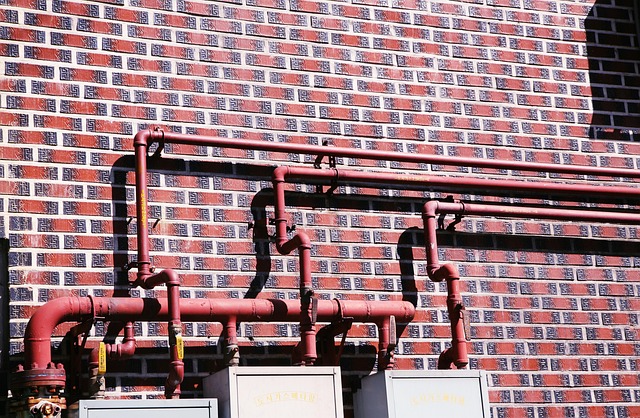
Is The 1 2 Black Iron Pipe 20 Ft Price Reflecting True Market Value
Twenty-Foot Black Iron Pipe Pricing Draws Attention From Plumbing Buyers
The 1/2 black iron pipe 20 ft price has become a focal point for contractors and industrial buyers tracking steel cost movements. Current pricing reflects not only raw material volatility but also logistics and production dynamics that shape the broader plumbing materials market. While steel demand continues to rise with infrastructure growth, buyers are increasingly scrutinizing whether retail rates align with true market value. The following sections examine the technical, economic, and strategic factors influencing this product’s price behavior.
Overview of the 1/2 Black Iron Pipe 20 Ft Market
Black iron pipes remain integral to both traditional and modern installations. Their durability and pressure tolerance make them indispensable in various industrial systems.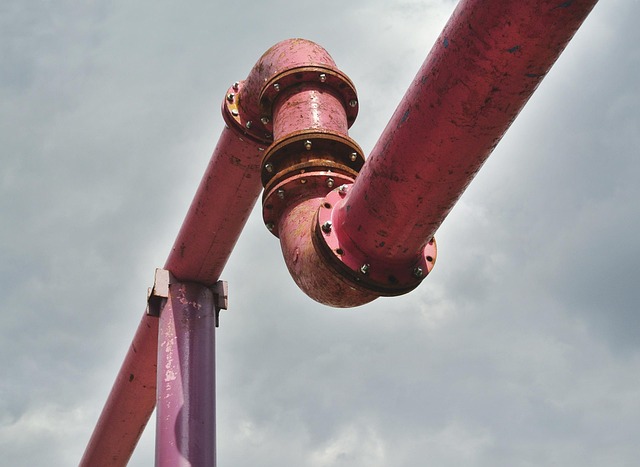
Understanding the Role of Black Iron Pipe in Industrial and Plumbing Applications
Black iron pipe is commonly used for natural gas lines, fire sprinkler systems, and structural frameworks where strength and heat resistance are critical. Unlike galvanized steel, which carries a zinc coating, black iron pipe has a bare finish that allows for easier threading and sealing during installation. Stainless steel alternatives offer better corrosion resistance but at a significantly higher cost, making black iron a practical middle ground for many commercial projects. Demand persists due to its compatibility with high-pressure applications in both residential and industrial environments.
Current Market Landscape for 20-Foot Lengths
A standard 1/2-inch black iron pipe in 20-foot lengths typically meets ASTM A53 or A106 specifications, ensuring uniform wall thickness and tensile strength. These pipes are distributed through wholesale suppliers serving construction contractors as well as retail outlets catering to small-scale buyers. Regional supply hubs—particularly those near steel mills or ports—affect pricing consistency across markets. For instance, Midwest U.S. distributors often benefit from lower freight costs compared to coastal regions where imported stock dominates.
Factors Influencing the Price of a 1/2 Black Iron Pipe (20 Ft)
The price trajectory of black iron pipes reflects multiple cost layers—from ore extraction to final delivery—each influenced by global economic shifts.
Raw Material Costs and Steel Market Volatility
Steel prices remain the dominant factor shaping the 1/2 black iron pipe 20 ft price. Fluctuations in global scrap metal values directly influence mill output costs. Trade policies such as import tariffs on foreign steel can further distort local pricing structures by limiting supply diversity. Shortages of key inputs like metallurgical coal or iron ore often trigger production slowdowns, pushing wholesale prices upward. The interplay between commodity futures markets and real-time procurement decisions keeps manufacturers cautious about overcommitting inventory at uncertain price points.
Manufacturing and Coating Processes Affecting Cost
Production costs depend heavily on energy consumption during rolling, threading, and finishing stages. High electricity or gas rates can quickly erode profit margins for mills operating continuous furnaces. Quality control measures—such as ultrasonic testing or dimensional inspections—add operational expenses but also enhance reliability for end users requiring compliance with building codes. Some producers apply anti-corrosion coatings or light oil treatments to extend shelf life; these treatments slightly raise per-foot costs but reduce long-term maintenance issues for installers.
Transportation, Logistics, and Supply Chain Variables
Because steel pipes are dense and heavy, transportation plays an outsized role in total landed cost. Freight rates fluctuate with fuel prices and regional logistics bottlenecks. Warehousing requirements also contribute: long pipes demand specialized racking systems that increase storage overheads for distributors. When port congestion or shipping delays occur—as seen during recent global supply chain disruptions—retailers often adjust prices upward to offset extended lead times.
Evaluating Whether Current Prices Reflect True Market Value
Determining whether current retail levels match intrinsic value requires comparing historical data with present-day distribution economics.
Comparing Retail vs Wholesale Pricing Structures
Wholesale buyers purchasing in bulk typically secure lower per-foot rates than retail consumers due to reduced handling costs and guaranteed order volumes. Distributors apply markups ranging from 10% to 25% depending on location and competition intensity. Seasonal cycles also matter: construction booms in spring often tighten supply temporarily, prompting short-term price spikes before stabilizing later in the year.
Benchmarking Against Historical Pricing Data
Over the past five years, average prices for half-inch black iron pipes have followed broader steel market trends—rising sharply during raw material shortages then easing as production normalized. Periods of strong construction growth correlate closely with elevated material costs because infrastructure projects consume large quantities of carbon steel products simultaneously. Occasional anomalies occur when policy changes or freight crises disrupt normal flow patterns between producers and distributors.
Market Dynamics Shaping Buyer Perception of Value
Beyond pure cost analysis, buyer perception depends on brand trust, certification credibility, and awareness of viable substitutes within plumbing systems.
The Role of Brand Reputation and Certification Standards
Pipes meeting ASTM A53 Grade B or ANSI-compliant standards command higher confidence among engineers overseeing regulated installations such as gas distribution networks. Brands offering mill test reports or traceable batch numbers justify premium pricing through documented quality assurance processes. Many contractors prefer domestically produced stock due to predictable performance metrics compared with imported alternatives whose metallurgy may vary slightly between batches.
Competitive Alternatives in the Plumbing Material Market
The competitive landscape influences how buyers interpret value propositions across materials.
Galvanized Steel Pipes as a Substitute Option
Galvanized pipes feature zinc coatings that resist rust better than black iron but can flake over time under high heat exposure. They suit water lines yet remain less ideal for gas applications where coating degradation could clog regulators.
PVC and PEX as Modern Alternatives
PVC and PEX piping dominate residential plumbing because they’re lightweight and inexpensive to install. However, their pressure limits restrict use in heavy-duty or high-temperature environments where metal piping remains essential.
Stainless Steel Options for Specialized Installations
Stainless variants deliver superior corrosion resistance suitable for chemical plants or coastal facilities but at roughly three times the cost per linear foot compared with standard black iron options—a tradeoff justified only when environmental exposure demands it.
Strategic Insights for Procurement Professionals
Procurement specialists navigating volatile metal markets must balance timing strategies with supplier evaluation methods that safeguard quality consistency over time.
Assessing Supplier Reliability Beyond Price Comparison
Reliable suppliers maintain documented quality control procedures across batches rather than relying solely on certificates from upstream mills. Transparency regarding raw material origin helps mitigate risks associated with inconsistent alloy composition or substandard threading tolerances that could compromise system integrity later on site.
Forecasting Future Price Movements Based on Industry Indicators
Infrastructure spending plans often foreshadow rising steel demand curves months ahead of actual consumption surges. Tracking energy input costs provides another predictive signal since electricity-intensive manufacturing correlates strongly with final product pricing adjustments across mill networks worldwide.
Optimizing Purchase Timing to Align With Market Cycles
Experienced buyers monitor commodity indexes like hot-rolled coil futures to identify favorable entry points before seasonal upticks occur. Holding excess inventory carries its own expense burden though; balancing warehouse capacity against projected project timelines becomes crucial when anticipating potential cost swings within quarterly cycles.
FAQ
Q1: What is the typical weight of a 1/2-inch black iron pipe in 20-foot length?
A: It generally weighs around 22–25 pounds depending on wall thickness specified under ASTM standards.
Q2: Why is black iron preferred over galvanized pipe for gas lines?
A: Because it lacks zinc coating that can react with natural gas components over time, ensuring cleaner internal surfaces.
Q3: How do energy prices affect pipe manufacturing costs?
A: Higher electricity or fuel rates increase furnace operation expenses directly impacting finished product pricing at mills.
Q4: Are imported black iron pipes reliable for structural applications?
A: Many imports meet international standards but quality variation exists; verifying certification documents remains essential before installation approval.
Q5: Will prices likely rise further this year?
A: If global steel demand continues increasing alongside infrastructure investment trends, moderate upward adjustments are expected though not at pandemic-era peaks again.


