
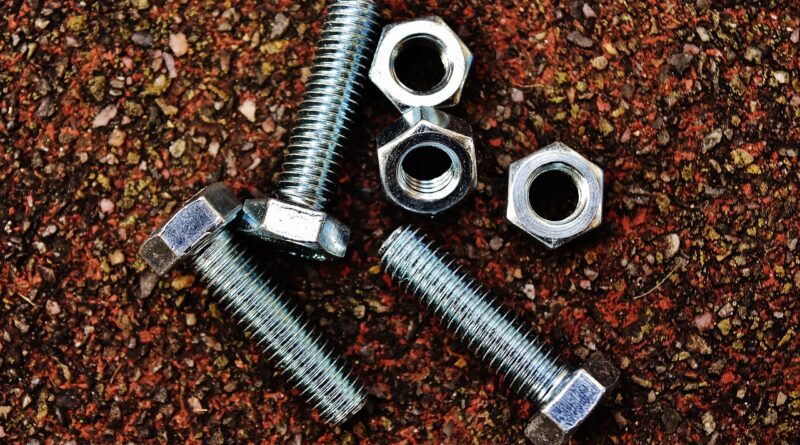
Are Tower Bolts Still the Best Simple Fix for Doors and Gates?
What Are Tower Bolts and Where Do They Work Best?
Tower bolts are sliding fasteners used to keep a door, gate, shutter, or cabinet leaf closed. In the Bolts & Fasteners category, they sit between a simple latch and a full lock set. They are quick to fit, easy to check on site, and simple to replace with normal hand tools. That is why export buyers still ask for them, especially on jobs that need a low-cost and visible closing part.
A Surface Mounted Sliding Bolt
A tower bolt has a barrel or rod, a guide plate, a knob or handle, and a keeper. The rod slides into the keeper, and that stops the leaf from opening. Merriam-Webster describes a tower bolt as a heavy sliding door bolt, which is close to how installers use it on site. The main point is still the same: the bolt is only as good as the keeper, the screws, and the base material holding them.
Best Uses on Low to Medium Duty Openings
Tower bolts are often used on garden gates, storeroom doors, warehouse shutters, balcony doors, animal pens, and double doors where one leaf stays closed most of the time. A 4 inch bolt can work on a small cabinet or a light window shutter. For timber doors and gates, an 8 inch or 10 inch bolt is more common. On large steel gates, buyers should look at longer bolts, thicker plates, and stronger fixing points.
Clear Limits on True Security
A tower bolt helps hold an opening shut, but it should not be sold as a full security system. If the screws are fixed into soft timber, thin sheet metal, or cracked masonry, the fixing can fail before the bolt itself bends. For an exposed back gate, use the bolt together with a lock, hinge protection, lighting, and a frame that cannot be lifted or forced apart. Hardware is one part of the job, not the whole answer.
Which Materials and Finishes Make Tower Bolts Last Longer?
Material choice is where many low-price orders create problems later. Two tower bolts can look similar in a catalog photo, but after a few months near rain, fertilizer, pool chemicals, or sea air, the difference is clear. Start with the site condition, then choose the base metal and finish. Do not buy only because the surface looks bright.
Stainless Steel for Wet or Coastal Sites
Stainless steel tower bolts are often chosen for outdoor doors, coastal gates, food areas, and wash-down rooms. Grade 304 is suitable for many normal indoor and outdoor uses. Grade 316 is a safer option near salt spray or chemicals because it contains molybdenum, which helps against pitting in chloride-rich places. The International Molybdenum Association explains that 316 contains a molybdenum addition while 304 does not. That small alloy difference can matter a lot near the sea.
Brass for Interior Looks and Smooth Action
Brass tower bolts are used a lot on interior timber doors, vintage cabinets, hotels, and decorative joinery. They move smoothly, take on a warm patina over time, and match many classic hinges or handles. Brass is usually not the first choice for rough yard gates. It can bend more easily than steel if it takes a hard hit, and polished finishes need care if the buyer wants them to stay bright for years.
Zinc Plated or Galvanized Steel for Budget Outdoor Jobs
Zinc plated steel helps keep the unit price down for general building work and temporary use. For outdoor duty with more rain or wear, galvanized steel is normally better than thin decorative plating. ASTM F2329/F2329M covers hot-dip zinc coating requirements for carbon and alloy steel bolts, screws, washers, nuts, and special threaded fasteners. It does not certify a complete tower bolt, but it gives buyers useful wording when they specify matching screws and coated parts.
How Do You Choose the Right Size for Your Door or Gate?
Size is not just the printed length on the bag or carton. You also need to check bolt diameter, plate thickness, throw length, screw size, and the gap between the moving leaf and the fixed frame. A neat 6 inch tower bolt on a weak frame is not stronger than the timber it is screwed into. It sounds like a small detail, but it is a common reason for site complaints.
Bolt Length Matched to Door Weight
For a small cabinet, window shutter, or pet enclosure, 3 inch to 4 inch hardware is usually enough. For interior doors, 6 inch is a common size. For garden gates, shed doors, and light commercial shutters, 8 inch to 12 inch gives more reach and is easier to operate. If a door sags, rubs, or gets pushed by wind, choose a heavier bolt and repair the frame first. A longer bolt will not fix a twisted door.
Throw Depth Matched to the Keeper
The throw is the distance the rod moves into the keeper. If the throw is too shallow, the rod can jump out when a gate shakes or when timber expands and shrinks. Try to get full engagement while leaving a little working clearance. The keeper should sit square, not tilted to one side. A simple site method works well: close the door, tape the keeper in place, slide the bolt a few times, and then mark the holes. It helps avoid crooked drilling.
Plate Thickness and Screw Grip
Thin plates can bend around the screws, especially on gates that slam. Thicker plates spread the load better. Screws need to bite into solid timber, metal reinforcement, or a proper plug. On hollow metal doors, sheet screws can loosen in a short time. Rivet nuts, through-bolts, or backing plates usually give a better long-term fix. The keeper lip also needs attention because it often takes the direct impact.
What Standards, Data, and Safety Rules Should Buyers Check?
There is no single public global dataset that tracks tower bolts as their own product category. Buyers usually need to check wider building hardware standards, corrosion test rules, crime data, and life-safety codes. Use those sources as working references, not as sales claims. If a supplier says one bolt suits every door, treat that as a warning sign.
Public Test Standards for Auxiliary Hardware
ANSI/BHMA A156.16-2023, from the Builders Hardware Manufacturers Association, sets requirements for auxiliary hardware and includes operational, cyclical, and strength tests under laboratory conditions. The same standard notes that actual use can change because installation, maintenance, and environment all affect performance. For a purchase order, ask for the test method, cycle count, material grade, and failure mode. A clean product photo is not enough for project buying.
Corrosion Grades and Coating Language
EN 1670:2007 classifies corrosion resistance for building hardware by using neutral salt spray testing from EN ISO 9227. Salt spray hours do not give an exact outdoor service life, but the class is useful when comparing finishes on the same basis. For export orders, write the finish in plain terms: zinc plated, powder coated, brass plated, stainless steel 304, stainless steel 316, or hot-dip galvanized where applicable. Clear wording avoids many disputes after delivery.
Crime Data Without Sales Hype
Security demand is real, but it needs careful wording. U.S. Department of Justice public data for 2024 shows the difference between datasets: the law-enforcement series listed an estimated 782,100 burglaries, while the victimization survey listed 1,609,650 burglary or trespassing victimizations. Those figures do not prove that a tower bolt prevents crime. They do show why property owners still pay attention to basic closure hardware. In most projects, the bolt is only one part of a wider safety plan. See also: Fittings & Valves.
How Should You Install Tower Bolts So They Stay Smooth?
Installation is where a good tower bolt can turn into a poor one. The item may be straight, well plated, and packed properly, but it can still fail early if the keeper is off-center or the screws are too short. Take a few minutes before drilling. It is cheaper than replacing a marked door leaf later.
Straight Alignment Before Drilling
Hold the bolt body level, close the leaf, and slide the rod into the keeper position before marking the holes. If the bolt rubs at the start, it will usually rub more after dust, paint, or seasonal swelling. For vertical fitting, check gravity movement and make sure the knob can be reached without strain. For horizontal fitting, keep the bolt clear of handle movement and hinge bind.
Firm Fixing Into Solid Material
Use every fixing hole provided by the manufacturer. On timber, do not place screws too close to split edges. On masonry, use suitable plugs and drill clean holes. On steel frames, use machine screws, rivet nuts, or welded tabs if the project needs a stronger set-up. For outdoor gates, stainless screws with stainless bolts help reduce mixed-metal staining. Cheap screws can spoil a decent bolt, so do not treat them as an afterthought.
Small Clearance for Seasonal Movement
Timber moves with humidity. Gates also move with temperature, wind, and ground settlement. Leave a small working clearance so the bolt can still slide after rain or hot weather. If the gap is large, use an offset keeper or a packed mounting plate instead of forcing the bolt at an angle. A bolt that needs a kick to close will not last long.
When Are Tower Bolts the Wrong Choice?
Tower bolts are useful, but some doors need other hardware. This matters most in public buildings, fire-rated openings, emergency exits, and high-risk entry points. If people may need to leave through the opening in a hurry, do not treat a surface bolt as a harmless extra. Local code and the authority having jurisdiction should be checked first.
Required Exit Doors Need Code Review
The 2024 International Building Code egress guidance from the International Code Council states that releasing a door or leaf for egress should generally require not more than one motion, with manual bolts allowed only in specific paired-door cases. In plain trade language, a tower bolt on an exit door can create a serious life-safety problem. Before fitting one on any escape route, ask the local building official. This step is much cheaper than failing an inspection later.
Fire Doors Need Listed Hardware
NFPA 80 guidance for fire doors treats bolts on paired fire doors carefully, especially on inactive leaves. Labeled, top-and-bottom, surface-mounted or flush-mounted bolts may be allowed only under certain conditions and often need approval from the authority having jurisdiction. Do not drill a fire door and add a random bolt because it looks stronger. That can damage the rating and cause inspection trouble.
High Risk Entrances Need More Than a Slide Bolt
For storefronts, loading bays, shared apartment entries, and high-value storage rooms, a tower bolt alone is too light. Buyers should consider deadlocks, access control, monitored alarms, stronger frames, hinge bolts, and anti-lift devices. If the door is attacked, the frame and fixings often decide the result before the visible bolt does. Put budget into those parts first.
FAQ
Q1: Are tower bolts good for outdoor gates? A: Yes, if the material and fixing method match the site. Stainless steel 316 or galvanized steel is better for wet or exposed places, while thin zinc plating is more suitable for lighter duty areas.
Q2: What size tower bolt should you buy for a normal door? A: A 6 inch bolt is common for many interior doors. For garden gates, shed doors, and shutters, 8 inch to 12 inch hardware is often a better fit.
Q3: Can tower bolts replace a lock? A: No. They hold a leaf closed, but they do not provide the same protection as a keyed lock, deadbolt, alarm, or reinforced frame.
Q4: Are stainless steel tower bolts always the best choice? A: Not always. Stainless steel works well for wet or coastal use, but brass may suit indoor joinery better, and galvanized steel may be more cost-effective for some outdoor projects.
Q5: Can you install tower bolts on fire doors or exit doors? A: Only after code review. Fire-rated and egress doors often need listed hardware and quick-release operation, so approval from the local authority is important.


