
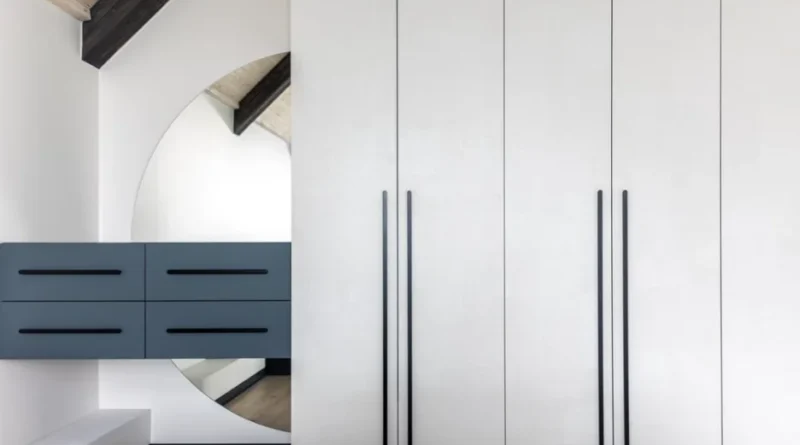
How IKEA Fitted Wardrobes Achieve a $10K Look Without the Cost
The Appeal of High-End Custom Wardrobes
Many homeowners dream of a wardrobe that seems handmade and fits perfectly. They want every part to match their room exactly. They also like materials that feel top-notch. That’s what draws people to fancy wardrobes. But the price for a full custom one can top $10,000. That’s often too much for most folks. So, turning IKEA fitted wardrobes into something that looks like a high-end setup offers a smart way out. It mixes easy-to-use parts with smart touches. And honestly, it’s fun to tweak things yourself—I’ve seen friends pull it off in small apartments.
Characteristics of a $10K Custom Fitted Wardrobe
A pricey wardrobe does more than store clothes. It shows real skill in making. These pieces fit right into room sizes. They often go from floor to ceiling with no empty spots showing. Builders use solid wood or fine coverings. They pick hinges and handles that work well and look nice. Built-in LED lights make clothes stand out. Soft-close drawers and smooth joints make it easy to use. You notice the quality not just by sight. It feels smooth, quiet, and exact when you open it. For example, in a bedroom I visited, the doors glided open without a sound, which made the whole space feel calmer.
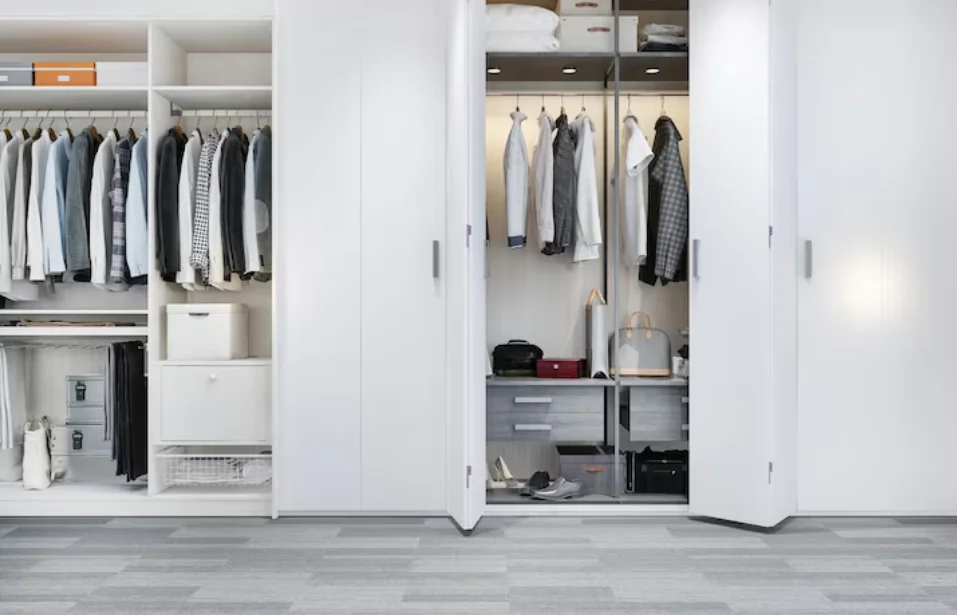
Why Homeowners Seek Luxury-Level Design in Affordable Alternatives
Lots of people like fancy wardrobes. But they want to save money too. IKEA fitted wardrobes, especially the PAX system, fit this need well. They give you options to change things around at a low cost. You can set up shelves, drawers, and rods just how you like. This keeps spending in check. Experts suggest mixing ideas. Use IKEA’s main parts as the start. Then, improve doors, edges, or surfaces. This way, you get a rich look without the big bill for custom woodwork.
The IKEA PAX System as a Foundation for Customization?
The IKEA PAX system stands out as a solid base for cheap but flexible wardrobes. Its setup lets you plan for most regular rooms. Plus, it gives room for your own changes.
Structural Qualities of the PAX Framework
The PAX frame comes in various widths and depths. You can line up units next to each other or pile them up. Shelves that adjust make inside setup simple. This works great for shoes, small items, or clothes on hangers. The base is basic—a strong body from particleboard. So, it serves as a good starting point. You can add custom doors or pretty edges on the outside.
Limitations Compared to Fully Custom Wardrobes
The PAX offers many choices. Yet, it falls short next to real handmade woodwork. Set sizes can be hard to fit in odd spots or rooms with slanted roofs. The materials feel different too. Particleboard doesn’t have the warm feel of real wood cabinets. Seams between pieces and extra panels can spoil the built-in style if you ignore them. You need clever fixes to boost how it looks overall. Take a sloped attic room, for instance—folks often add custom cuts to make it work, but it takes extra planning.
Techniques to Elevate IKEA Fitted Wardrobes to Custom Standards
To turn your IKEA fitted wardrobes into rivals for handmade ones, focus on key improvements. These cover looks and how it works.
Enhancing External Aesthetics with Bespoke Fronts and Trims
Using Custom Doors and Panels
Swapping out basic IKEA doors for special ones from other makers works wonders. Firms make shaker-style fronts for old-fashioned rooms. Or flat ones for new-style homes. A coat of paint or shine in special colors shifts the whole feel fast. Think of a soft dark green or smooth off-white. These match cabinets in top stores. I recall a project where a family painted theirs navy blue, and it blended right into their coastal decor.
Adding Decorative Moulding and Cornices
For a fitted feel, put crown moulding along the top to touch the ceiling nicely. Stretch side panels to hug walls and hide gaps. Pros do this a lot. These little building details link the piece to the room’s setup.
Upgrading Interior Functionality and Hardware Quality
Integrating Premium Hardware Components
Changing the fittings boosts how it feels and runs. Replace plain hinges with hidden ones that close gently. These come from fancy kitchen setups. Add pull-out trays with soft lining for jewels. Or light-up rods for hanging that turn on when you open the door. Such extras show up in costly custom pieces. In one case, adding these made a basic unit feel like a hotel closet—smooth and inviting.
Optimizing Internal Layouts for Professional Finish
A tidy inside adds to the high-quality sense as much as the outside does. Dividers you can move help split up folded clothes from hanging spots. Mix open shelves with secret spots. This balances easy reach and a neat style. And if you’re storing seasonal stuff, like winter coats, adjustable parts make it simple to shift things around without hassle.
Achieving a Built-In Look Through Architectural Detailing?
The real change comes when your IKEA wardrobe seems part of the room’s build. Not just a standalone box.
Seamless Integration Within Existing Room Architecture
Measure from wall to wall before putting it together. Make sure units sit tight with no big empty spaces. For any extra room above or on the sides, use wood framing or wallboard covers. Paint them to match the walls. This hides odd spots. It also makes the wardrobe feel fixed in place. Picture a narrow hallway—tight measuring here can turn a jumble into a sleek line that flows with the space.
Finishing Techniques That Mimic Bespoke Joinery
After setup, fill cracks where panels hit walls or ceilings. Then paint edges in the wall shade. This small step ties everything together well. Line up baseboards around the bottom. Let them run smooth across the units. It fools the eye into seeing one solid built-in item. Not separate boxes. Over time, this finish holds up, especially if you dust regularly to keep it crisp.
Cost Analysis: Comparing IKEA-Based Solutions vs True Custom Builds?
To see if using IKEA pays off in money terms, look at supplies and work for each way.
Material and Labor Considerations in Both Approaches
IKEA’s main parts cut down on supply costs a lot. They use built-up board instead of full wood. But when you add special fronts, wood edges, paint jobs, and better fittings, the bill goes up. Still, it usually stays 40–60% under full custom prices. This depends on how fancy you get. For a standard three-door setup, say 8 feet wide, you might spend $2,500 on IKEA basics plus $1,000 for upgrades—way less than $10,000 custom.
Evaluating Long-Term Value and Durability
If you build a PAX right on flat ground with extra supports, it holds up well for years. You can get new parts from IKEA shops long after. That’s handy. Custom one-offs don’t offer that ease. So, you avoid big fix-up costs later. In my experience from home renos, these setups last 10-15 years with care, matching mid-range custom without the premium tag.
Professional Insights on Design Execution and Client Expectations?
Design pros stress talking things over when folks go for half-custom using systems like PAX.
Balancing Aesthetic Ambition with Practical Constraints
People might picture exact fits like in luxury woodwork. But ready-made items have small leeway from factory making. Pros explain this upfront. They talk about how fake wood feels versus real grain. This sets fair hopes. It matches what you can get within your budget. Sometimes, clients push for tweaks, like adding a mirror panel, which works if planned early.
When to Recommend Full Custom Joinery Over Modified IKEA Systems
Some jobs just don’t fit boxy setups. Think rooms with bent walls or built-in nooks needing smooth panels without breaks. Or if someone wants special looks, like aged finishes or lights set right into wood faces. Then, full custom makes sense. It costs more, but only handmade work gives that exact blend with the room’s build. For instance, in historic homes, custom often wins to keep the old charm intact.
FAQ
Q1: How do you make an IKEA PAX wardrobe look built-in?
A: Extend side panels to touch walls tightly, add crown moulding at ceiling height, then caulk seams before painting everything in matching wall color for visual unity.
Q2: What’s the best paint type for customizing IKEA doors?
A: Use high-quality primer followed by durable satin or semi-matte lacquer suitable for melamine surfaces; this provides smooth coverage resistant to scratches.
Q3: Can lighting be added inside an existing PAX system?
A: Yes—you can retrofit LED strips along shelves or install motion-activated hanging rails powered via concealed wiring channels behind panels.
Q4: Are third-party door suppliers reliable for long-term use?
A: Reputable brands manufacture MDF-based doors specifically dimensioned for PAX frames ensuring proper alignment longevity comparable to original components when installed correctly.
Q5: How much does upgrading an IKEA fitted wardrobe typically cost?
A: Depending on size plus chosen finishes expect total project spending between 30%–60% less than equivalent full-custom designs offering similar aesthetic results through smart detailing choices.


