
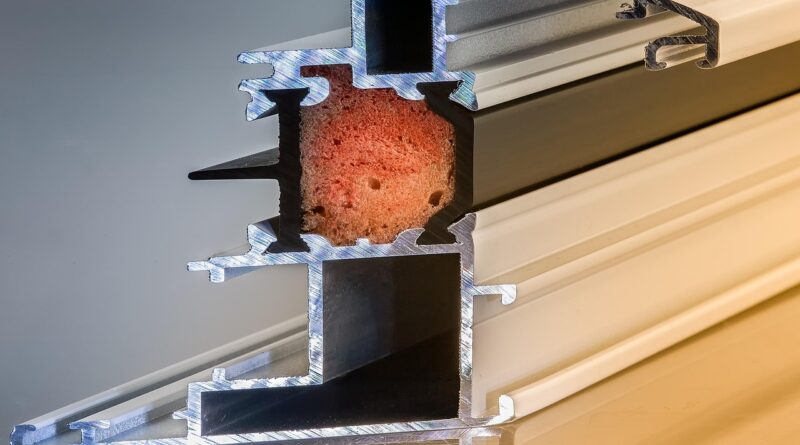
Powder coated aluminium for durable architectural and industrial surfaces
Powder coated aluminium is aluminium that has been cleaned, pretreated, coated with a dry polymer powder and cured into a continuous protective film. It is used for window frames, façade panels, railings, furniture, enclosures and many other metal components because it combines aluminium’s low weight with a durable coloured finish.
For buyers and specifiers, the important point is that “powder coated” is not one fixed performance level. Interior trim, a coastal storefront and a high-rise façade may all be powder coated, but they should not be specified in the same way. Standards such as AAMA 2603, AAMA 2604, AAMA 2605 and QUALICOAT help define performance expectations. In service, pretreatment quality and routine cleaning often have as much influence as the powder itself.
What powder coated aluminium means
Powder coating is a dry finishing method. Instead of applying a liquid paint carried by solvent or water, the coater applies finely divided powder particles to a prepared aluminium surface, commonly by electrostatic spray. The coated part is then heated so the powder melts, flows and cures into a solid film.
On aluminium, the coating is more than a colour layer. It forms a barrier between the metal and the service environment, helping reduce staining, oxidation, weathering and contact with corrosive contaminants. Depending on the powder chemistry, colour, gloss and exposure, the finish can also provide good resistance to ultraviolet light, humidity and abrasion.
The U.S. Environmental Protection Agency has described powder coating as a lower-VOC alternative to many solvent-borne coating systems because the powder is applied as dry particles and does not rely on evaporating solvent during application. That advantage does not remove the need for dust control, curing energy, safe powder handling or compliant waste practices, but it is one reason powder coating remains widely used for factory-finished aluminium.
Why pretreatment matters as much as the powder
Aluminium naturally forms a thin oxide layer. That oxide contributes to corrosion resistance, but it can also create adhesion problems if the surface is contaminated, uneven or poorly prepared. Mill oils, fingerprints, cutting fluids, shop dust and residues from fabrication can interfere with coating adhesion.
A reliable powder coating line therefore starts before the spray booth. Typical stages may include cleaning, rinsing, etching or deoxidising, conversion coating, drying, powder application and curing. The exact system depends on the part, alloy, exposure category and specification. Architectural aluminium is usually held to stricter requirements than a decorative indoor component.
Pretreatment is especially important around edges, welds, drainage holes, fastener locations and complex profiles. These areas can be harder to clean and coat evenly. If moisture and salts reach an exposed cut edge or a poorly prepared area, corrosion can spread under the film even when the visible flat surface still looks acceptable.
Standards that help define expected performance
Because powder coated aluminium is used in many environments, performance standards reduce ambiguity between the architect, fabricator, applicator, powder supplier and owner. In North America, FGIA announced on May 19, 2026 that the updated AAMA 2603-26, AAMA 2604-26 and AAMA 2605-26 documents were available for aluminium extrusions and panels, with added guidance on pretreatment conversion coatings. The previous suite had been updated in 2022.
These AAMA documents are performance specifications for organic coatings on architectural aluminium. They set testing and requirements rather than simply naming a coating chemistry. In practice, higher-performance systems are selected when colour retention, chalk resistance, humidity resistance and exterior durability are more critical.
| Standard or programme | What it helps define | Common specification use |
|---|---|---|
| AAMA 2603 | Pigmented organic coatings on aluminium extrusions and panels | Less demanding architectural or residential uses where severe long-term exterior exposure is not the main driver |
| AAMA 2604 | High-performance organic coatings on aluminium extrusions and panels | Exterior commercial, residential and light architectural applications requiring stronger weathering performance |
| AAMA 2605 | Superior-performing organic coatings on aluminium extrusions and panels | Demanding exterior architectural applications where long-term colour and gloss retention are important |
| QUALICOAT | Minimum requirements for coating plants, coating materials and finished coated aluminium products | Architectural aluminium projects using the QUALICOAT quality label system, especially in markets where it is commonly specified |
| AAMA 609 & 610 | Cleaning and maintenance guidance for architecturally finished aluminium | Post-installation care for anodised and painted aluminium surfaces |
The practical lesson is straightforward: do not specify only “powder coated aluminium” when the project needs a defined durability level. A project specification should identify the applicable standard, colour and gloss range, powder type or approved system, pretreatment requirements, acceptable applicator qualifications, inspection criteria and maintenance expectations.
How powder coating compares with anodising and liquid paint
Aluminium can be finished in several ways, and each method has a different role. Powder coating is an organic coating system that sits on the metal surface. Anodising is an electrochemical process that thickens the aluminium oxide layer itself. Liquid paint systems apply a liquid film that cures or dries on the surface.
Powder coated aluminium usually offers a broad colour palette, including matte, gloss, textured, metallic and special-effect finishes. It can help mask small variations in the base metal and is well suited to consistent branded colours or architectural colour schemes. It is also efficient in factory production because overspray can often be collected and reused where the process allows.
Anodising gives aluminium a distinct metallic appearance and does not behave like an applied paint film. It can be a strong choice where a natural metal look is desired, but its colour range and colour consistency limits differ from powder coating. Liquid coatings remain important for some architectural, marine, repair and specialty applications, particularly where field application or certain coating chemistries are required.
The right choice depends on design intent, exposure, budget, repair expectations and the applicable standard. A powder coated finish may be the most practical route for a colourful façade panel, while anodising may be preferred for a clear or bronze metallic extrusion. For broader comparisons of metal finishing options, the Metals & Surfaces section provides related context on surface performance and material selection.
Where powder coated aluminium performs well
Powder coated aluminium is common in building and industrial products because the substrate and finish solve several practical problems at once. Aluminium is relatively light, formable and corrosion resistant. Powder coating adds colour control and a protective film without limiting the design flexibility of extrusions, sheet and fabricated assemblies.
- Architectural extrusions: Window frames, curtain wall components, storefront systems, doors, louvres and sunshades often use powder coating when a durable factory-applied colour is required.
- Panels and rainscreen elements: Aluminium panels can be powder coated for consistent colour across flat or formed surfaces, provided bending, cutting and installation do not damage the finish.
- Railings, gates and outdoor furniture: These products benefit from corrosion resistance, colour choice and relatively low maintenance, especially when edges and fasteners are properly detailed.
- Industrial enclosures and housings: Powder coated aluminium is used for cabinets, machine guards, lighting housings and equipment covers where appearance and durability both matter.
- Interior metalwork: Partitions, trims, display systems and furniture frames can use lower-exposure powder systems when UV and weathering demands are limited.
Performance is usually strongest when the coating is applied after the main fabrication steps. Cutting, drilling or welding after coating can expose bare aluminium and create weak points. Where post-coating machining is unavoidable, the specification should define how exposed edges will be sealed, touched up or otherwise protected.
Limitations designers should not ignore
Powder coating improves aluminium’s surface performance, but it does not make the material immune to every environment. Coastal locations, swimming pool areas, industrial atmospheres and de-icing salt exposure can be much more aggressive than normal urban or interior use. In those conditions, the coating standard, pretreatment system and cleaning interval become more important. See also: Bolts & Fasteners.
Dark colours may absorb more solar heat than light colours, which can influence thermal movement, touch temperature and adjacent material performance. Very low-gloss and textured finishes can hide fingerprints and minor handling marks, but some textures may trap dirt more readily than smooth finishes. Metallic powders may require tighter process control to maintain consistent appearance between batches, orientations or component types.
Cleaning chemicals also matter. Strong alkaline cleaners, acidic products, abrasive pads and aggressive solvents can damage the film or change gloss. Fresh mortar, cement wash, plaster and similar construction residues should not be left on finished aluminium. Project documents should make clear who is responsible for protection during construction and how cleaning will be performed before handover.
A practical specification checklist
A good specification makes powder coated aluminium measurable. It tells the supplier what must be delivered and gives inspectors a basis for acceptance. The checklist below is a practical starting point for architectural and industrial projects.
- Identify the aluminium alloy, temper and product form, such as extrusion, sheet, casting or fabricated assembly.
- State whether coating is required before or after fabrication, and list any areas that must remain uncoated for electrical continuity, bonding or fit.
- Define the required performance level, such as AAMA 2603, AAMA 2604, AAMA 2605 or a relevant QUALICOAT class or licence requirement.
- Specify pretreatment expectations, including cleaning and conversion coating suitable for the exposure environment.
- Set colour, gloss, texture and acceptable visual variation, preferably using approved samples rather than colour names alone.
- Refer to the powder manufacturer’s data for curing schedule, compatible primers, recommended film thickness and limitations.
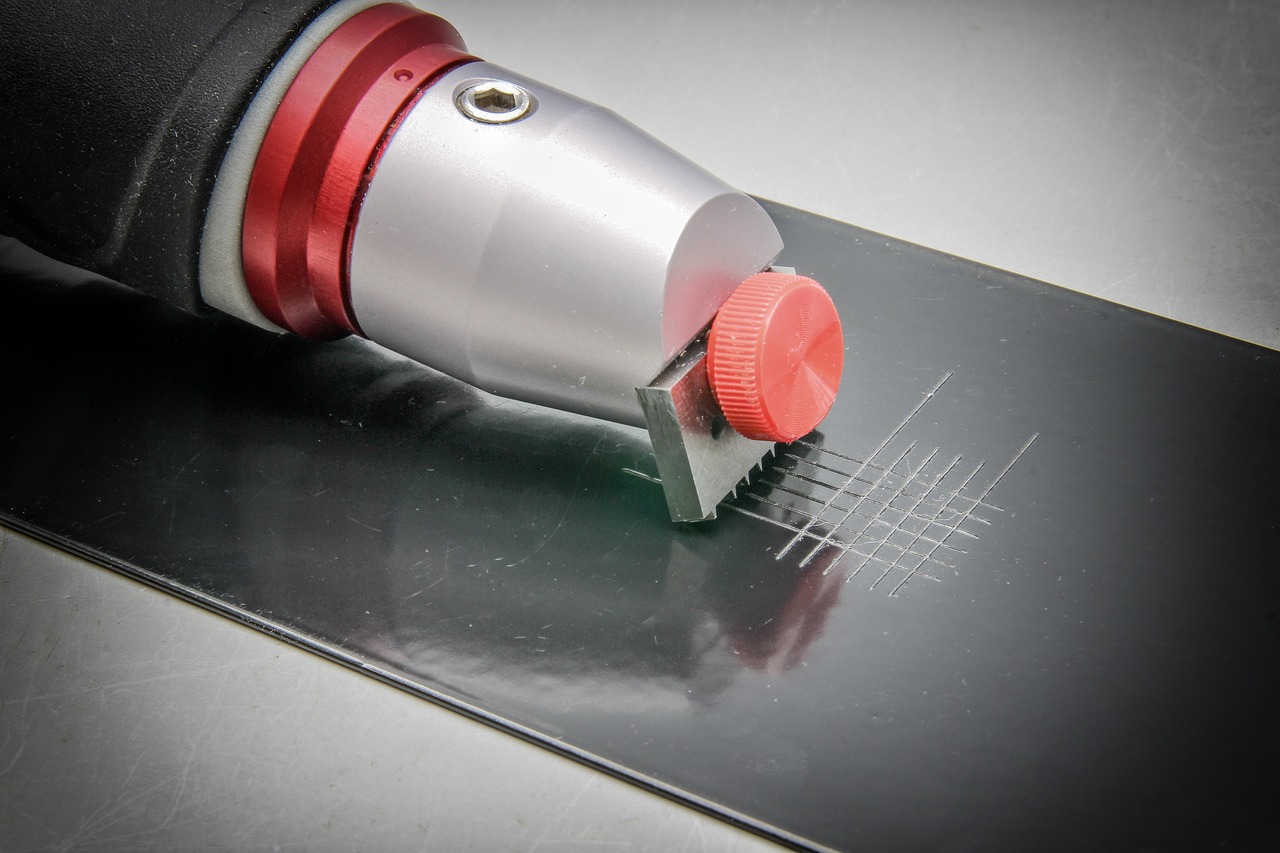
- Define inspection methods for adhesion, appearance, coverage, curing, damage, masking lines and visible defects.
- Address packaging, transport, site storage and protection so finished parts are not scratched before installation.
- Include maintenance guidance and cleaning frequency, especially for coastal, industrial or high-traffic environments.
This checklist is not a substitute for a project specification, but it helps avoid the common mistake of treating powder coating as a purely cosmetic decision. The same colour can perform very differently depending on pretreatment, powder chemistry, curing and exposure.
Maintenance and early warning signs
Powder coated aluminium is often low maintenance, but it is not maintenance-free. Dirt, salt, pollution and construction residues can hold moisture against the coating and accelerate deterioration. FGIA’s AAMA 609 & 610 guide is specifically intended for cleaning and maintaining architecturally finished aluminium, including painted and anodised products.
In most ordinary environments, maintenance starts with gentle washing using clean water, mild detergent and soft cloths or brushes. Rinse thoroughly and avoid letting dirty runoff dry on the surface. More aggressive environments may require more frequent cleaning, particularly on sheltered areas that do not receive natural rain washing.
Early warning signs include loss of gloss, visible chalking, colour change, blistering, peeling, filiform corrosion near cut edges, staining around fasteners and scratches exposing bare metal. Isolated damage can sometimes be touched up for appearance and short-term protection, but large-scale failure usually requires professional assessment. If coating detaches in sheets or blisters widely, the root cause may involve pretreatment, curing, moisture entry or contamination rather than simple wear.
Frequently asked questions
Is powder coated aluminium rust-proof?
Aluminium does not rust in the same way as iron or carbon steel because rust is iron oxide. However, aluminium can corrode, stain or pit in aggressive environments. Powder coating helps protect the surface, but exposed edges, damaged areas and poorly detailed joints still need attention.
How long does powder coated aluminium last?
There is no single lifespan. Service life depends on the coating standard, pretreatment, colour, gloss, location, installation quality and maintenance. AAMA 2605 or an appropriate QUALICOAT specification may be justified for demanding exterior architecture, while a less demanding interior part may not need that level of performance.
Can aluminium be powder coated after fabrication?
Yes, and coating after major cutting, drilling and welding is often preferable because it reduces exposed edges. The limiting factors are part size, oven capacity, drainage, masking requirements and whether the fabricated assembly can tolerate the curing temperature.
Is powder coating better than anodising?
Neither finish is universally better. Powder coating offers wider colour and texture options and can provide strong exterior performance when properly specified. Anodising preserves a more metallic appearance and creates an integral oxide finish. The better choice depends on appearance, exposure and the applicable project standard.
Can damaged powder coated aluminium be repaired?
Minor scratches can often be cleaned and touched up for appearance and local protection, but touch-up coatings may not match the factory finish perfectly. Larger damaged areas or coating adhesion failures may require stripping and recoating under controlled conditions.
The takeaway for buyers and specifiers
Powder coated aluminium is a versatile material-finishing combination, but its success depends on disciplined specification. The finish should be selected by exposure, not just by colour. For indoor components, a basic powder system may be enough. For façades, windows, railings and other exterior elements, the standard, pretreatment, applicator control and maintenance plan should be stated clearly.
If a drawing or purchase order says only “powder coated aluminium,” too many decisions are left open. A stronger specification names the performance standard, defines the finish sample, requires suitable pretreatment and explains how the surface will be protected, cleaned and inspected. That is the difference between a finish that looks good at delivery and one that continues to perform in service.


