316L stainless steel properties, uses and limits in corrosive environments
What 316L stainless steel is
316L stainless steel is the low-carbon version of 316 stainless steel. It is identified in many specifications as UNS S31603 and is commonly matched with EN 1.4404. As an austenitic chromium-nickel-molybdenum stainless steel, it offers better resistance to pitting and crevice corrosion than 304 in many chloride-bearing environments.
The “L” stands for low carbon, normally a maximum of 0.03%. That lower carbon content helps reduce sensitization and the risk of intergranular corrosion in welded parts. In practical specification work, 316L is often selected for fabricated tanks, process equipment, marine-adjacent hardware, food and pharmaceutical surfaces, architectural fittings, tubing, and fasteners where standard 304 may stain or pit too quickly.
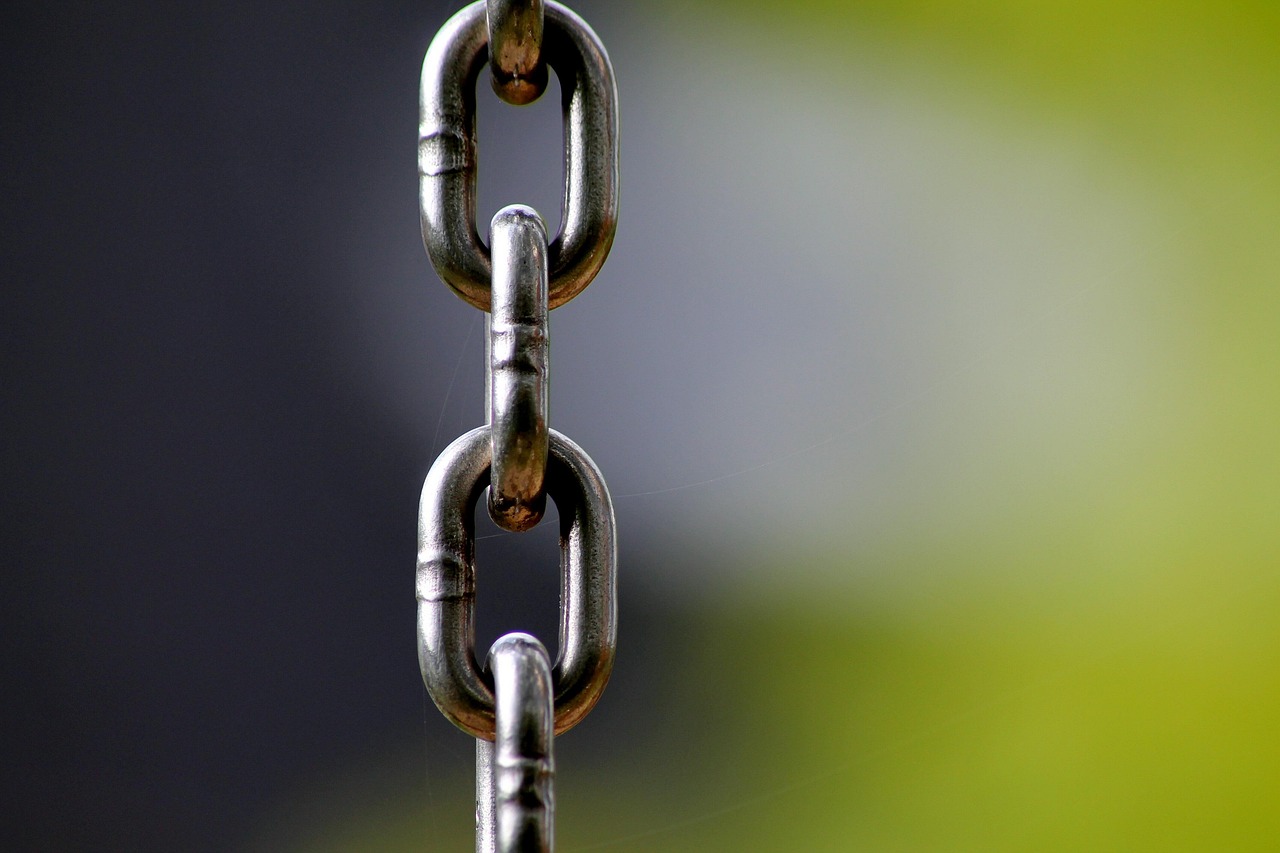
316L is corrosion resistant, not corrosion proof. Chloride concentration, temperature, surface finish, crevices, cleaning practice, and actual service conditions still determine whether it will perform reliably.
For broader material comparisons and surface selection topics, see the Metals & Surfaces section.
Composition and standards that define 316L
The defining feature of 316L is the combination of chromium, nickel, molybdenum, and restricted carbon. Chromium forms the passive oxide film that gives stainless steel its basic corrosion resistance. Nickel stabilizes the austenitic structure, supporting ductility and toughness. Molybdenum improves resistance to localized corrosion, especially pitting and crevice attack in chloride-containing conditions. The low carbon limit is particularly important where welded joints will remain exposed to corrosive service.
Actual composition should be verified against the applicable product standard and the mill test certificate. ASTM A240/A240M is commonly used for plate, sheet, and strip, while ASTM A276 and ASTM A479 are often used for bars and shapes. Pipe and tube may be ordered to different standards, so the grade name alone is not enough for procurement.
| Element or designation | Typical 316L range or reference | Why it matters |
|---|---|---|
| UNS number | S31603 | Helps avoid confusion between 316, 316L, and related grades. |
| EN designation | 1.4404, X2CrNiMo17-12-2 | Common European equivalent used in specifications and mill certificates. |
| Carbon | 0.03% maximum in many specifications | Reduces sensitization risk after welding. |
| Chromium | About 16.0–18.0% | Supports the passive corrosion-resistant surface film. |
| Nickel | About 10.0–14.0% | Maintains austenitic structure and good formability. |
| Molybdenum | About 2.0–3.0% | Improves resistance to chloride pitting and crevice corrosion compared with 304. |
Why molybdenum and low carbon matter
Most buying decisions around 316L come down to two practical questions: will the surface be exposed to chlorides, and will the part be welded? If either answer is yes, 316L can be a sensible step up from 304 or standard 316, provided the environment remains within the grade’s limits.
Molybdenum and localized corrosion
Chloride ions from saltwater, deicing salts, cleaning chemicals, brines, sweat, or process fluids can break down the passive film on stainless steel and start localized corrosion. Molybdenum improves the stability of that passive layer in many chloride environments. This is why 316L is frequently specified for coastal architectural details, chemical handling components, and equipment that must tolerate regular washdown.
However, molybdenum does not make 316L immune to seawater or hot chloride solutions. Crevices under gaskets, washers, deposits, biofilms, lap joints, labels, and poorly drained details can concentrate chlorides and limit oxygen access. Those conditions can defeat 316L even when nearby open surfaces appear clean. For that reason, design details and maintenance often matter as much as the alloy grade.
Low carbon and welded fabrication
When austenitic stainless steel is heated during welding, chromium carbides can form at grain boundaries if the carbon level and heat exposure are sufficient. This process, known as sensitization, can deplete chromium near the grain boundary and make the weld heat-affected zone more vulnerable to intergranular corrosion. The low carbon content of 316L reduces this risk, which is why it is widely used for welded tanks, tubing, frames, brackets, pressure components, and hygienic fabrications.
Low carbon is not a substitute for good welding practice. Clean joint preparation, suitable filler metal, controlled heat input, removal of heat tint where needed, and proper pickling or passivation can all affect final corrosion performance. A component can be made from 316L and still fail early if weld oxides, iron contamination, abrasive residue, or trapped chloride deposits remain on the surface.
Key properties for fabrication and design
316L is valued because it combines corrosion resistance with the formability and toughness expected from an austenitic stainless steel. In the annealed condition it is generally non-magnetic, although cold working or welding can introduce some magnetic response. It cannot be hardened by heat treatment like martensitic stainless steels; strength is increased mainly by cold working.
| Property | Typical design meaning | Important limitation |
|---|---|---|
| Corrosion resistance | Better than 304 in many chloride and industrial atmospheres. | Not suitable for every seawater, brine, bleach, or hot chloride condition. |
| Weldability | Good choice for welded fabrications because of low carbon. | Weld discoloration, contamination, and crevices still need control. |
| Formability | Can be bent, drawn, rolled, and formed for many sheet and tube products. | Work hardening may require process planning for severe forming. |
| Temperature behavior | Maintains useful toughness at low temperatures and performs in many moderate heat applications. | Hot chloride environments can create stress corrosion cracking risk. |
| Surface finish | Smoother finishes reduce deposit retention and improve cleanability. | Rough, bead-blasted, or scratched surfaces can pit sooner in aggressive exposure. |
Where 316L is commonly used
316L is not chosen simply because it sounds premium. It is chosen when the environment, fabrication route, and life-cycle cost justify a molybdenum-bearing low-carbon grade. Common applications include:
-
Food and beverage equipment, including tanks, conveyors, fittings, work surfaces, and washdown areas where cleanability and corrosion resistance are important.
-
Pharmaceutical and biotechnology systems, especially tubing, valves, fittings, and vessels where weld quality and surface finish are tightly controlled.
-
Chemical and process equipment exposed to compatible organic chemicals, mildly corrosive liquids, and cleaning cycles.
-
Coastal architectural components such as railings, panels, brackets, anchors, and fasteners where chloride-laden air or deicing salts are present.
-
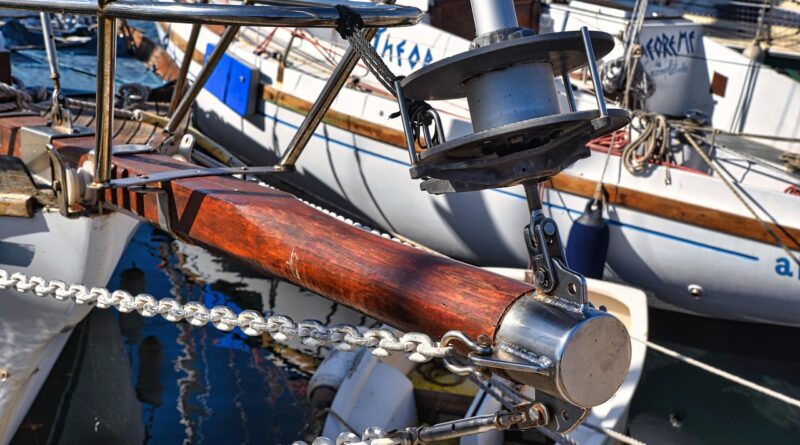
Marine-adjacent hardware above the splash zone, provided the design allows cleaning and avoids stagnant crevices.
-
Heat exchanger components, instrumentation tubing, and general industrial fittings when 304 does not provide enough resistance.
In medical contexts, it is important to distinguish general commercial 316L from implant-grade stainless steels. Surgical implant applications are governed by stricter standards and chemistry controls, such as those used for wrought stainless steel implant materials. A generic 316L certificate should not be assumed to meet implant requirements unless the exact medical specification is stated and verified.
Limits and failure modes to check before specifying it
The most common mistake is treating 316L as a universal marine stainless steel. It is a strong and versatile grade, but its resistance depends heavily on exposure details. The following conditions deserve careful review before specification. See also: Bolts & Fasteners.
Chlorides, temperature, and stagnant conditions
Warm chloride environments increase the risk of pitting, crevice corrosion, and chloride stress corrosion cracking. Saltwater immersion, brine tanks, bleach exposure, poorly rinsed cleaning chemicals, evaporating deposits, and hot process fluids can be too aggressive for 316L. In those cases, duplex stainless steels, super duplex grades, 904L, 317L, or 6% molybdenum stainless steels may be more suitable, depending on chemistry, temperature, stress level, and required service life.
Crevices and deposits
316L performs best when the surface can breathe, drain, and be cleaned. Crevices under washers, flanges, clamps, gaskets, nameplates, threaded joints, and dirt deposits can create oxygen-starved microenvironments. Inside those crevices, chloride concentration and acidity may increase, accelerating localized attack. Designers can reduce the risk by avoiding lap joints, sealing unavoidable crevices, using smooth weld transitions, orienting surfaces for drainage, and providing access for cleaning.
Surface contamination and finishing
Carbon steel tools, grinding dust, wire brushes, shop debris, and handling damage can deposit free iron on stainless steel surfaces. That contamination may rust and create the false impression that the stainless steel itself has failed. For visible or corrosive service, cleaning, pickling, passivation, or electropolishing may be specified after fabrication. The right finishing process depends on the component geometry, exposure, hygiene requirement, and appearance standard.
316L vs nearby stainless steel grades
The best grade is the one that matches the service environment with an acceptable cost and fabrication route. The table below gives a practical comparison, not a universal ranking.
| Grade | How it compares with 316L | When it may be preferred |
|---|---|---|
| 304 | Lower cost and widely available, but lacks molybdenum and has less chloride pitting resistance. | Indoor, dry, low-chloride, or mild atmospheric service. |
| 316 | Similar molybdenum-bearing chemistry but with a higher carbon limit than 316L in many specifications. | Non-welded parts or cases where the product is dual certified as 316/316L. |
| 316L | Low carbon improves welded corrosion performance while retaining 316-type molybdenum resistance. | Welded fabrications and moderate chloride exposure. |
| 317L | Usually contains more molybdenum than 316L for higher localized corrosion resistance. | More demanding chloride exposure where 316L is marginal. |
| Duplex 2205 | Higher strength and generally better chloride stress corrosion cracking resistance than standard austenitic grades. | Structural or process duties needing higher strength and improved chloride performance. |
| 904L or 6% molybdenum grades | More highly alloyed and more costly, with stronger resistance in severe corrosive environments. | Acidic, high-chloride, or highly aggressive chemical service after engineering review. |
Practical specification checklist
A clear 316L specification should do more than name the grade. At minimum, confirm the product form, governing standard, finish, certification, fabrication requirements, and exposure assumptions.
-
State the required grade and designation, such as 316L, UNS S31603, or EN 1.4404, and avoid relying on shorthand labels alone.
-
Identify the product standard, such as plate, sheet, bar, pipe, tube, fitting, fastener, or casting requirements.
-
Require mill test certificates showing chemistry and mechanical properties for the supplied heat or lot.
-
Define surface finish, roughness, weld treatment, passivation, or electropolishing if corrosion performance or cleanability depends on it.
-
Control fabrication contamination by separating carbon steel and stainless tools, abrasives, and storage areas where practical.
-
Review chloride concentration, temperature, pH, oxidizers, cleaning chemicals, crevices, stress, and wet-dry cycling before approving the grade.
-
For safety-critical, pressure, food-contact, pharmaceutical, marine, or medical uses, align the specification with the applicable code or regulatory standard rather than using a generic material description.
Frequently asked questions
Is 316L stainless steel better than 304?
It is better in many chloride-bearing and industrial environments because it contains molybdenum, which improves pitting and crevice corrosion resistance. However, 304 can still be the more economical and suitable choice for dry indoor, mild, or low-chloride service.
Does 316L stainless steel rust?
316L can stain, pit, or corrode if the environment is severe enough. Common causes include chloride deposits, seawater exposure, bleach residues, hot salt solutions, crevices, poor drainage, iron contamination, and rough surface finishes. It should be described as corrosion resistant, not rust proof.
Is 316L suitable for seawater?
316L may be used in some marine-adjacent atmospheric applications, especially where surfaces are cleaned and not trapped in crevices. It is usually not the safest choice for continuous seawater immersion, stagnant seawater, splash-zone crevices, or warm chloride service without detailed engineering review.
Why is 316L preferred for welding?
The low carbon level reduces the chance of chromium carbide precipitation and sensitization in the heat-affected zone. That makes 316L a common choice for welded fabrications that will face corrosive service. Good welding, cleaning, and post-weld surface treatment remain essential.
Can 316L be hardened by heat treatment?
No. Like other common austenitic stainless steels, 316L is not hardened by conventional heat treatment. Strength is increased mainly through cold working, while annealing is used to restore ductility and reduce work-hardening effects when required.


