
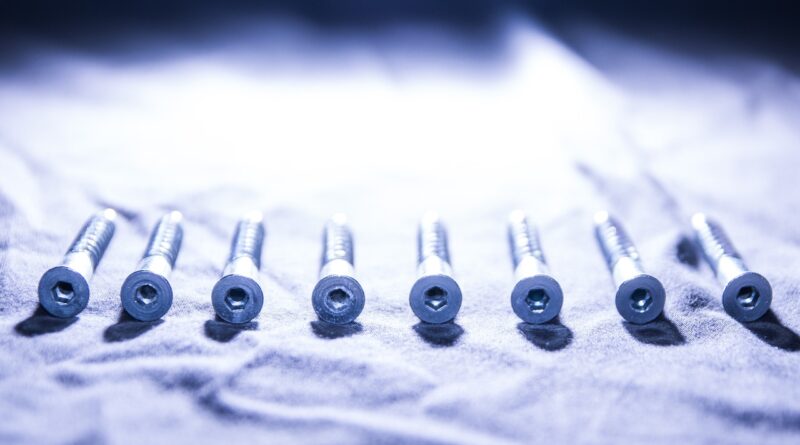
What are cap bolts and how should they be specified?
Cap bolts are useful, but the name needs context
Cap bolts are headed, threaded fasteners used to clamp parts together, but the term is not precise enough on its own. In many industrial catalogs, buyers use “cap bolts” to mean socket head cap screws, hex cap screws, or other cap-style screws with a defined head and machine thread. The safer approach is to specify the exact head style, thread, material, grade or property class, coating, and applicable standard instead of relying on the short name.
For engineers, purchasers, and maintenance teams, this distinction matters. Two parts described casually as cap bolts may differ in strength, drive style, wrench clearance, corrosion resistance, and dimensional tolerances. A replacement that looks similar can still be unsuitable if the thread pitch, grade, coating, or head geometry is wrong.
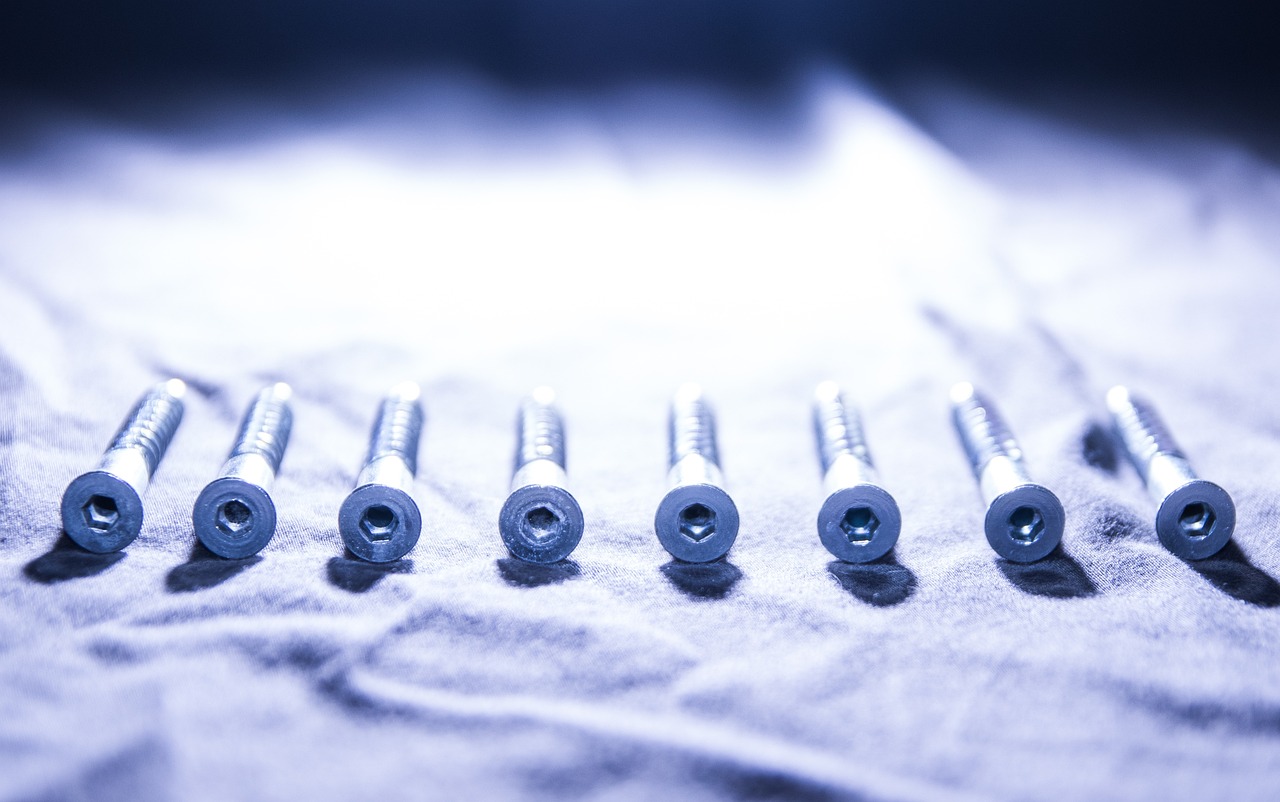
This guide explains how cap bolts are commonly understood, how they compare with related fasteners, and what information should be included in a purchase or maintenance specification. For more fastener background, see the Bolts & Fasteners section.
What the term cap bolts usually means
In everyday industrial language, “cap bolt” is often used as shorthand for a cap screw or a bolt with a finished head intended for controlled tightening. The two most common meanings are socket head cap screws and hex cap screws.
A socket head cap screw has a cylindrical head with an internal hex socket drive. It is widely used where the head must fit into a counterbore or where side clearance for a wrench is limited. Standards commonly associated with this style include ASME B18.3 for inch-series socket products and ISO 4762 for metric hexagon socket head cap screws. ASTM A574 is a common specification for alloy steel inch socket-head cap screws.
A hex cap screw has an external six-sided head driven by a wrench or socket. In inch fasteners, ASME B18.2.1 is commonly associated with square and hex bolts and screws. Stainless steel inch bolts, hex cap screws, and studs may fall under ASTM F593 when that specification is required.
Because terminology can vary by supplier, drawing, and industry, a part request that says only “M8 cap bolt” or “1/4 cap bolt” is incomplete. It may point to a general fastener family, but it does not fully define what should be supplied.
| Common wording | More precise description | Why it matters |
|---|---|---|
| Cap bolt | Needs clarification | May refer to a socket head, hex head, or another headed machine-thread fastener. |
| Socket cap bolt | Socket head cap screw | Defines the cylindrical head and internal hex drive more clearly. |
| Allen bolt | Usually socket head cap screw | Describes the hex socket drive, but not the grade, length, thread, or standard. |
| Hex cap bolt | Hex cap screw or hex bolt, depending on context | External hex head parts can differ by standard, tolerance, and intended application. |
Cap bolts versus screws, hex bolts and socket head cap screws
The words “bolt” and “screw” are often used loosely in the field. In formal fastener specifications, the naming is usually tied to head form, dimensional standard, thread form, and intended assembly method. That is why many parts commonly called cap bolts are technically sold as cap screws.
Socket head cap screws
Socket head cap screws are chosen when compact head diameter, high clamping capability, and access with a hex key are important. Their cylindrical heads can sit neatly in a counterbored hole, leaving a cleaner surface than an external hex head. They are common in machinery, tooling, fixtures, robotics, equipment housings, and metal assemblies where space around the fastener is limited.
The main limitation is drive engagement. If the hex socket is shallow, damaged, filled with debris, or used with a worn key, the head can strip. Correct tool fit, adequate insertion depth, and controlled tightening are important.
Hex cap screws and hex bolts
Hex head fasteners are easy to inspect visually and can often be tightened with common sockets or wrenches. They are practical for structural frames, equipment bases, brackets, and serviceable assemblies where wrench access is available. Compared with many socket head designs, the larger external head may need more clearance, but it can be easier for field maintenance teams to handle.
The exact difference between a hex bolt and a hex cap screw depends on the standard and catalog language being used. In a controlled specification, do not rely on appearance alone. Define the applicable standard, nominal size, thread series, length, material, and grade.
Low head, button head and flat head variations
Not every socket-driven fastener is a standard socket head cap screw. Low head, button head, and flat head socket screws solve different packaging or appearance problems, but they may not have the same strength or bearing characteristics as standard socket head cap screws. A low head design, for example, can help where vertical clearance is limited, but the reduced head height may change drive depth and load capacity. Substitution should be approved by the drawing owner or a qualified engineer.
Standards and specifications to verify before ordering
Public standards summaries from ASME, ASTM, and ISO show why fastener names should be tied to recognized specifications. ISO 4762 covers metric hexagon socket head cap screws with coarse pitch threads from M1.6 through M64 and product grade A. ISO 898-1 covers mechanical and physical properties for carbon and alloy steel bolts, screws, and studs with specified property classes. ISO 4042 covers electroplated coating systems for fasteners and includes requirements and recommendations related to hydrogen embrittlement risk reduction.
For inch products, ASME B18.3 is commonly associated with socket cap, shoulder, and set screws. ASTM A574 covers alloy steel socket-head cap screws. ASTM F593 covers stainless steel bolts, hex cap screws, and studs within its stated diameter range and alloy groups. ASME B18.2.1 is commonly associated with inch square and hex bolts and screws.
These standards do not all cover the same requirement. Some define dimensions, some define material and mechanical properties, and others address coatings or test requirements. A complete fastener callout may therefore need more than one reference.
| Specification area | What to confirm | Example of why it matters |
|---|---|---|
| Head and dimensions | Socket head, hex head, low head, button head, or flat head | Head height and diameter affect clearance, counterbore design, and tool access. |
| Thread system | Metric or inch, coarse or fine, thread class or tolerance | A near-size thread can start by hand but damage the mating part under load. |
| Mechanical strength | Grade, property class, or ASTM material specification | Strength affects clamp load, fatigue resistance, and safe substitution. |
| Material | Alloy steel, carbon steel, stainless steel, or nonferrous material | Corrosion resistance and strength are not interchangeable. |
| Coating | Plain, zinc plated, zinc-nickel, black oxide, hot-dip galvanized, or other finish | Coating changes corrosion behavior and can affect thread fit and torque response. |
Material, grade and coating choices
The right cap bolt depends on the joint, not only on the fastener size. A highly loaded machine joint may need alloy steel with a defined strength specification. A wet or mildly corrosive environment may require stainless steel or a suitable protective coating. Outdoor, marine, chemical, and high-temperature environments need additional review because corrosion, temperature, and galvanic compatibility can control the final selection.
Alloy steel socket head cap screws are often selected for strength and compact design. Stainless steel cap bolts are selected for corrosion resistance, hygiene, or appearance, but stainless steel is not automatically stronger than alloy steel. In many applications, a stainless replacement should not be installed in place of a high-strength alloy steel part unless the strength, thread engagement, and service environment have been checked. See also: Fittings & Valves.
Coatings also need care. Black oxide is common on socket head cap screws and can provide a dark appearance and limited protection when combined with oil, but it should not be treated as a robust outdoor corrosion system by itself. Zinc and zinc alloy coatings are common for corrosion protection, but plating high-strength steel fasteners requires attention to hydrogen embrittlement risk. ISO 4042 and similar fastener coating standards address this topic because coating processes, cleaning steps, and post-treatment controls can affect high-strength parts.
Hot-dip galvanizing may be appropriate for some outdoor and structural applications, but it adds coating thickness and is not automatically suitable for every socket head or fine-thread component. When coating thickness is significant, mating nuts or tapped holes must be compatible with the finished thread dimensions.
How to specify cap bolts clearly
A clear cap bolt specification should allow a supplier, inspector, or maintenance technician to identify the same part without guessing. The minimum information usually includes size, thread pitch, length, head style, drive style, material, grade or property class, finish, and quantity. Where safety or interchangeability matters, include the governing standard and any inspection or certification requirement.
For metric fasteners, a basic callout might include the nominal diameter, pitch, and length, such as M8 x 1.25 x 30 mm. For inch fasteners, it might include the nominal diameter, threads per inch, and length, such as 1/4-20 x 1 in. Length measurement depends on head style; many headed screws are measured from under the head, while countersunk flat head screws are commonly measured overall because the head sits flush. Always confirm the convention used on the drawing or catalog.
Thread length is another common source of mistakes. A fully threaded cap screw and a partially threaded cap screw can behave differently in a joint. If the unthreaded shank is intended to carry shear or provide alignment, replacing it with a fully threaded part may put threads across the shear plane. That can reduce bearing area and introduce stress concentration in the wrong location.
A practical cap bolt checklist
- Use the precise name, such as socket head cap screw or hex cap screw, instead of only “cap bolt.”
- State the measurement system, nominal diameter, pitch or threads per inch, and length.
- Confirm full thread or partial thread and whether shank length is important.
- Specify material and grade, property class, or ASTM requirement.
- Identify the finish or coating and confirm compatibility with the mating thread.
- Check head clearance, counterbore depth, wrench access, and tool engagement.
- Define any certificate, lot traceability, or inspection requirement when the joint is critical.
Installation factors that affect performance
A correctly specified cap bolt can still fail if installation conditions are poor. Bolted joints work by creating clamp load. Torque is only an indirect way to create that clamp load, and the relationship between torque and tension changes with lubrication, coating, thread condition, surface finish, and tool accuracy.
For this reason, torque values should come from the equipment manufacturer, engineering drawing, or an approved fastener calculation. General torque charts are useful for reference, but they cannot account for every coating, lubricant, gasket, joint stiffness, or reuse condition. A plated fastener, a waxed fastener, and a plain fastener of the same size can generate different clamp loads at the same torque.
Thread engagement also matters. In a tapped hole, the female thread material may be weaker than the cap bolt. Aluminum, cast iron, brass, and plastics need different engagement assumptions than steel. In a through-bolted joint, the nut grade and washer choice must match the fastener and application. A high-strength cap bolt paired with an unsuitable nut or soft bearing surface may not deliver the intended joint performance.
Reusing cap bolts requires judgment. Fasteners exposed to overload, corrosion, heat, thread damage, or unknown tightening history should be inspected carefully and replaced when required by the equipment procedure. Critical joints may prohibit reuse or require controlled inspection even when the fastener appears visually acceptable.
Frequently asked questions
Are cap bolts the same as socket head cap screws?
Sometimes, but not always. Many people use “cap bolt,” “socket cap bolt,” and “Allen bolt” to mean a socket head cap screw. In formal purchasing or engineering work, use the more precise term and include the standard, size, material, and grade.
Are cap bolts stronger than regular bolts?
Not by name alone. Strength depends on material, heat treatment, grade or property class, diameter, thread area, and manufacturing specification. A high-strength alloy steel socket head cap screw may be stronger than a low-grade hex bolt, but a stainless cap screw may be selected for corrosion resistance rather than maximum tensile strength.
Can stainless cap bolts replace alloy steel cap bolts?
Only after checking the application. Stainless steel can improve corrosion resistance, but it may have different tensile strength, galling behavior, and temperature limits. In high-load machinery, a direct stainless-for-alloy substitution can be unsafe unless engineering requirements are verified.
What coating is best for cap bolts?
There is no single best coating for all cap bolts. Black oxide may be suitable for indoor machinery where appearance and light protection are enough. Zinc or zinc alloy coatings may be used for broader corrosion protection. Stainless steel or specialized coatings may be needed for aggressive environments. The joint, exposure, strength level, and mating thread should guide the choice.
What should I provide when ordering cap bolts?
Provide the exact fastener type, size, thread pitch, length, thread length, material, grade or property class, finish, applicable standard, and quantity. If the part is for equipment repair, also compare the head height, head diameter, drive size, and thread engagement with the original fastener.
The main takeaway
Cap bolts are common, but the term is too broad for critical purchasing or engineering decisions. Treat it as a starting point, then define the exact fastener. A reliable specification should identify the head style, thread, length, material, grade, coating, and standard. That extra detail reduces wrong-part substitutions, improves inspection, and helps the finished joint perform as intended.


