
Why Choose Anchor Bolts in Cast-in-Place vs Post-Installed Applications for Precision Projects
Understanding the Fundamentals of Anchor Bolts
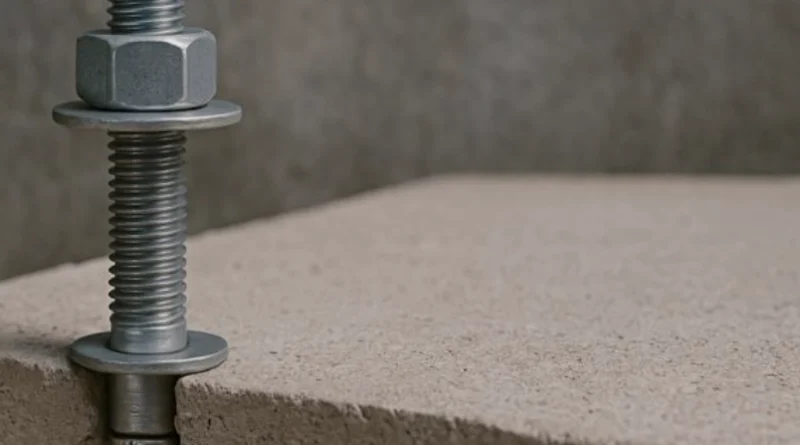
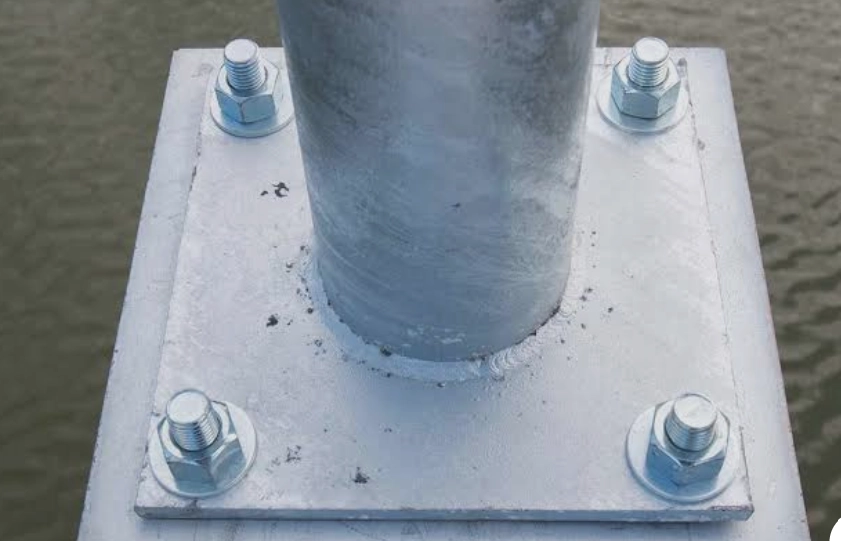
Anchor bolts stand as the quiet helpers in structural engineering. They keep steel columns, machinery bases, and heavy equipment steady on concrete foundations. These bolts appear basic. They consist of a threaded rod along with nuts and washers. Yet their job in holding things firm against moving loads proves far from easy. Imagine them as the solid link between steel and concrete. They stay dependable if set up correctly. Problems arise quickly if overlooked.
Defining the Role of Anchor Bolts in Structural Engineering
Anchor bolts serve as key links. They shift loads from upper building parts to concrete bases. These bolts withstand pulls, side forces, and mixed pressures from wind bursts, ground shakes, or machine runs. A building’s dependability usually rests on these bolts’ work over many years. In real work, a minor shift during setup can cause uneven pressure spread or early splits near the buried spot. The setup style, be it cast-in-place or post-installed, shapes steady results. This holds true especially for repeated load types seen in factories or on bridges. For example, in a busy plant, these bolts face daily vibrations that test their grip over time.
Primary Categories of Anchor Bolts
Anchor bolts divide into two main groups. One is cast-in-place. The other is post-installed systems. Cast-in-place anchors go in before the concrete pour. They join the build as it sets. Post-installed anchors get drilled and secured after the concrete hardens. They use mechanical spreading or glue bonding ways. Each way brings its own benefits. Cast-in-place systems provide strong one-piece ties. But they call for good planning in advance. Post-installed anchors give room for fixes or sudden plan updates. Site engineers value this when plans change during a job. It’s a common fix in ongoing projects where surprises pop up.
Cast-in-Place Anchor Bolts: Design and Performance Characteristics
Cast-in-place anchor bolts have served for years in large civil jobs. These include bridge piers, factory bases, and tall columns. Their good outcomes stem from exact planning before setup. They also need matching with steel bar plans.
Installation Process and Key Considerations
The setup starts before concrete pours. Anchors stay in place with steel guides. These keep alignment and bury depth right. This step requires tight teamwork. Structural engineers and site workers must align well. Any slip from planned spots can make later ties hard. This affects base plates or machinery pads. Check the steel bar arrangement too. It avoids clashes with anchor covers or bends. After concrete pours and sets around them, fixes prove almost out of reach. You risk harming the base if you try. In one factory build, a small guide mix-up led to hours of checks before pouring to avoid bigger headaches.
Structural Reliability of Cast-in-Place Systems
These systems build a steady tie between steel anchors and nearby concrete as it cures. This brings good load moving power. No gaps or glue layers play a part. In managed site spots, where shakes during pour stay low, cast-in-place anchors show steady work. They handle strong pulls or side forces well. Their basic design lowers setup mistakes. This beats chemical systems that need clean holes and set times. Over time, this reliability shines in places like dams, where loads stay constant but heavy.
Limitations and Practical Challenges
Cast-in-place anchors hold strength, yet they bring compromises. Once set, changes stay limited. A column base might shift a bit from build allowances. Then fixes cost plenty. Build steps need close control too. Anchor spots come early in the flow. Site engineers often name lineup problems as main delay causes with cast-in systems. Delays can add days to weeks, depending on the fix needed. It’s why some teams double-check templates twice over.
Post-Installed Anchor Bolts: Modern Alternatives for Flexibility and Retrofitting
Post-installed anchors now prove essential for update jobs. They fit where changes happen late, after concrete sets. Their fit for change makes them favored in fix works. These cover quake adds or gear swaps. In older buildings, they’ve turned potential disasters into safe setups without full teardowns.
Methods of Post Installation
Mechanical Anchors
Mechanical anchors depend on spreading parts. These grab drilled hole sides with friction hold. They work best for fair-load cases. Examples include handrails or pipe braces. There, quick loading follows tightening. You can use them right away, which speeds up jobs like installing safety rails in a shop.
Adhesive (Chemical) Anchors
Adhesive anchors fill clean holes with epoxy or vinylester mixes. You inject them before adding threaded rods or rebar sticks. Once they set, they form strong bonds. These manage large pull forces. Such systems reach deeper bury levels than mechanical ones. They spread stress better along the hole. This helps a lot in cracked concrete areas. Field tests show they hold up to 30% more in uneven spots compared to basic mechanical types.
Evaluating Reliability Factors in Post-Installed Systems
How they perform links close to setup care. Dust in drilled holes cuts glue strength by as much as 50%. Weather plays a role. Cold slows mix setting. Heat pushes it past easy use. Tightening torque shapes preload hold and wear fight over years. Outside factors, like water entry, harm glues unless sealed well. In rainy areas, poor seals have caused early fails, so always add extra protection layers.
Comparative Analysis: Cast-in-Place vs Post-Installed Anchor Bolts
Choosing between these two isn’t only ease-based. It pairs build goals with job facts.
Load Transfer Efficiency and Structural Performance
Cast-in-place bolts give straight steel-to-concrete flow. No weak joins appear. This yields better load moving under fixed conditions. Post-installed anchors use mechanical locks for spread kinds. Or they use glue ties for epoxy sorts. If set right, both match code needs. These include ACI 318 Chapter 17 or Eurocode EN 1992-4. In side-by-side tests, cast-in-place often pulls ahead by 15-20% in steady pulls.
Construction Flexibility and Project Adaptability
New builds suit cast-in-place when spots come from shop plans. But for old slabs needing more gear holds or layout shifts, post-installed saves days. They skip form changes. This proved handy in a warehouse expansion, where we added supports without halting operations.
Inspection, Testing, and Quality Assurance Measures
For Cast-in-Place Anchors
Quality checks cover pre-pour looks. They stress alignment truth and bury proof with guides or tools.
For Post-Installed Anchors
Pull tests happen often. They check bond strength against rules like ACI 355 or ETAG 001. Do this before okaying for weight work. Testing one in five installs catches weak spots early, based on common site practices.
Factors Influencing Long-Term Reliability in Anchor Bolt Systems
Anchor bolt dependability keeps going after setup. It grows through years of weather hits and care routines.
Material Selection and Corrosion Resistance
Stainless steel picks like AISI 316L raise lasting power in shore areas. There, salt attacks happen often. Hot-dip galvanizing brings cheap guard for inside factory spots. But it falls short in sea zones. Pitting rust speeds up there. In a port project, galvanizing lasted five years before needing swaps, while stainless held firm longer.
Environmental Exposure Conditions
Freeze-thaw repeats spark small cracks near anchor tops. Water enters open spots. Chemical hits from salt melters or factory acids slowly weaken steel covers. They also harm nearby concrete build. In cold winters, this has led to more checks after heavy snows, as cracks spread if ignored.
Maintenance Practices and Periodic Assessments
Regular checks look for rust spots near anchor tops. These signal early eating under washers. Or spot clear breaks in grout layers. For mechanical anchors under moving machine weights, re-tighten now and then. This keeps planned hold against shake losses. Do yearly in tough spots to spot issues before they grow.
Engineering Decision Framework for Selecting Reliable Anchor Bolt Systems
Building a working anchor setup calls for weighing tech work with build limits over job steps.
Design Criteria Considerations
Load Requirements
See if your build mainly faces pulls, like on a tower pole. Or side forces, like on a wall hook. Or mixed, like base plates in wind lifts. This sets bolt size. It also sets bury depth by ACI 318 math. For a wind farm base, pulls might need 3/4-inch bolts at 10-inch depth to stay safe in 80 mph gusts.
Construction Sequence Constraints
Early build access might stay tight. For instance, in thick steel bar groups. Then post-setup beats trying exact spots before pour. It makes sense for crowded sites, cutting frustration.
Compliance with Standards and Codes
Design checks follow known guides. Use ACI 318 Chapter 17 for U.S. jobs. Or Eurocode EN 1992-4 in Europe. These prove safety edges in cracked or whole states per ASTM E488 tests. Following them avoids fines, as seen in recent audits where skips cost extra reviews.
Cost-Benefit Evaluation Over Service Life
Cast-in-place choices often start cheaper. They use simple material moves. Post-installed cuts stop time in fixes. This matters when figuring full life worth over first costs. In long runs, like 25-year bridges, post-installed might cut total spend by 15% through easier upkeep.
FAQ
Q1: What’s the main difference between cast-in-place and post-installed anchor bolts?
A: Cast-in-place anchors are embedded before concrete hardens; post-installed ones are drilled afterward using mechanical expansion or adhesives.
Q2: Which type offers better load transfer capacity?
A: Cast-in-place generally provides higher load transfer efficiency due to direct bonding within cured concrete mass.
Q3: Are adhesive anchors suitable for overhead installations?
A: Yes, but only if tested products rated for overhead use are selected along with proper curing controls per manufacturer instructions.
Q4: How often should anchor bolts be inspected?
A: Routine checks every one to three years depending on environment severity help detect corrosion or loosening early.
Q5: Can post-installed anchors replace failed cast-in ones?
A: In many cases yes; chemical anchoring allows retrofit installations adjacent to damaged units without major demolition work.


