
Can Carriage Screws Improve Structural Integrity in Abandoned Buildings
Data Links 1 in 3 N.Y. Structure Fires to Abandoned Buildings, Prompting Safety Recommendations
Recent data showing that one in three structure fires in New York involves abandoned buildings highlights a growing safety concern. The link between neglect, structural decay, and fire risk is direct: weakened fasteners, corroded joints, and compromised materials accelerate collapse during thermal stress. Experts now emphasize structural reinforcement using reliable fastening systems such as carriage screws to improve stability and reduce hazards during inspections or rehabilitation. This article explores the engineering basis behind these recommendations, focusing on the mechanical role of carriage screws in stabilizing deteriorated structures and mitigating associated fire risks.
Structural Challenges of Abandoned Buildings?
Abandoned buildings often present complex structural issues that evolve over years of neglect. Environmental exposure, material fatigue, and biological growth interact to degrade stability. Engineers must first analyze the physical causes of deterioration before selecting appropriate reinforcement methods.
Common Causes of Structural Degradation
Prolonged exposure to moisture and temperature fluctuations weakens load-bearing components by causing expansion and contraction cycles that fatigue materials. Corrosion of metal connectors and fasteners reduces joint stability, particularly where condensation accumulates around steel plates or embedded anchors. Biological deterioration from mold, pests, or vegetation undermines material strength by penetrating cracks and retaining water within porous surfaces.
The Role of Fasteners in Structural Stability
Fasteners act as critical connectors transferring loads between beams, columns, and plates. When these components fail or loosen, structural continuity breaks down rapidly. Deterioration or absence of reliable fasteners accelerates instability because unanchored members begin to shift under load variations. Retrofitting with appropriate fasteners can extend the lifespan of compromised structures without full reconstruction, especially when combined with resin injection or bracing systems.
Carriage Screws: Characteristics and Engineering Applications
Reinforcement strategies rely heavily on the choice of fastening system. Among available options, carriage screws provide a balance between mechanical performance and ease of installation in both timber and hybrid assemblies.
Mechanical Properties and Design Features
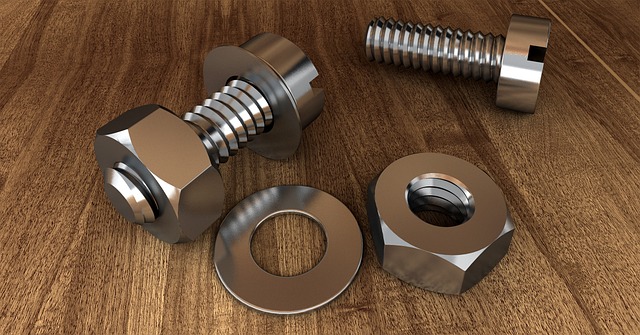
Carriage screws feature a round head with a square neck beneath it that prevents rotation during installation into wood or composite surfaces. They are typically made from hardened steel or stainless alloys for corrosion resistance in humid environments. Their design distributes load evenly across wooden surfaces, reducing localized crushing around the head area—a common failure mode with conventional bolts.
Comparison with Other Fastening Systems
Compared to nails or lag bolts, carriage screws offer higher shear resistance when installed perpendicular to grain direction. Their broad bearing surface reduces stress concentration at connection points, minimizing crack initiation along fiber lines. In high-vibration environments such as old industrial floors or bridge decks converted for reuse, they maintain preload more effectively than standard threaded bolts due to their neck geometry.
Evaluating the Potential of Carriage Screws in Structural Reinforcement
Integrating carriage screws into retrofitting plans requires understanding how they perform under mixed-material conditions typical of aged buildings—where timber meets corroded steel or concrete patches.
Application in Timber Frame Stabilization
In timber frames suffering from joint degradation, carriage screws can reinforce connections without dismantling entire sections. They improve rigidity between beams and plates while allowing partial flexibility needed for thermal movement. When used alongside epoxy resins injected into cracks, they form hybrid reinforcement systems capable of redistributing loads across weakened zones.
Use in Metal-to-Wood and Composite Connections
Many older buildings include metal brackets attached to wooden members; corrosion often weakens these interfaces first. Carriage screws serve effectively as transitional connectors because their design resists slippage under cyclic loading common in aged structures subject to wind sway or settlement shifts. Their reversibility also suits heritage conservation projects where interventions must remain removable for future restoration phases.
Safety Considerations and Fire Risk Mitigation in Abandoned Structures?
Structural failure does not only threaten collapse—it also amplifies fire hazards by exposing combustible materials faster once flames spread through voids or cracks.
The Link Between Structural Failure and Fire Hazards
Collapsed floors or walls accelerate fire spread by creating vertical channels that draw heat upward through convection currents. Weak connections hinder firefighter access since unstable framing can fall unexpectedly during suppression efforts. Strengthening joints with carriage screws may delay collapse under thermal stress conditions by maintaining alignment between major load paths longer than untreated assemblies.
Integrating Fastener-Based Reinforcement into Safety Protocols
Reinforcement programs for abandoned properties should align with local building codes addressing temporary stabilization measures. Non-invasive fastening solutions like carriage screw retrofits allow safer inspections before demolition or reuse decisions are made. Properly installed fasteners reduce risk during controlled demolition by preventing premature detachment of framing segments under vibration from cutting tools.
Engineering Assessment and Implementation Strategies?
Before installing any reinforcement system using carriage screws, engineers must evaluate existing conditions thoroughly through both visual inspection and analytical modeling.
Structural Evaluation Before Reinforcement Installation
A detailed inspection identifies compromised joints, corrosion zones, and altered load paths caused by missing elements. Non-destructive testing methods such as ultrasonic scanning help assess internal decay without further damaging fragile materials. Load modeling simulations then predict how added fasteners will redistribute stresses after retrofitting.
Installation Techniques for Optimal Performance
Surface Preparation and Alignment Control
Surface preparation is critical; debris, rust flakes, or delaminated coatings must be removed before placing new screws to achieve proper seating torque. Alignment control ensures each screw follows intended load distribution paths rather than introducing eccentric forces that could worsen deflection patterns.
Torque Specifications and Material Compatibility
Torque values should follow manufacturer recommendations based on substrate type—too little torque risks loosening under vibration; too much compresses degraded wood fibers excessively. Washers or bearing plates may be added where necessary to prevent over-compression near old bolt holes reused for new fasteners.
Long-Term Monitoring and Maintenance Approaches?
Even after reinforcement work concludes, ongoing monitoring determines whether connections remain stable under environmental stress cycles typical of abandoned sites awaiting redevelopment.
Assessing Post-Retrofit Performance Over Time
Periodic inspections using embedded moisture sensors or strain gauges detect subtle movement indicating loosening fasteners or renewed decay around screw heads. Data collected supports predictive maintenance scheduling so remedial action occurs before visible damage reappears.
Integration with Broader Rehabilitation Programs
Carriage screw reinforcements complement other stabilization techniques such as external bracing frames or grout injection beneath settled foundations. Combining mechanical fastening with digital monitoring networks enhances resilience against progressive failure mechanisms while providing valuable data for future adaptive reuse planning.
FAQ
Q1: Why are abandoned buildings more prone to fires?
A: Their deteriorated structures expose combustible materials faster once ignition occurs, while missing fasteners accelerate collapse that spreads flames vertically through openings.
Q2: How do carriage screws improve safety?
A: They strengthen weakened joints by maintaining alignment under stress, delaying collapse during fire events or seismic vibrations common in old frameworks.
Q3: Can carriage screws be used in heritage restoration?
A: Yes, their reversible design allows removal without damaging original materials—ideal for preservation projects requiring minimal intervention.
Q4: What inspection methods are recommended before reinforcement?
A: Non-destructive tests like ultrasonic scanning identify hidden decay zones while load modeling predicts performance improvements after installation.
Q5: Are there code requirements for reinforcing abandoned structures?
A: Local building regulations typically mandate stabilization measures using approved fastening systems that meet specified torque capacity and corrosion resistance standards before reoccupation or demolition approval is granted.


