

HDG bolts explained for corrosion resistant fastening
What HDG bolts are and where they fit
HDG bolts are steel bolts protected by hot-dip galvanizing, a process that applies a zinc coating after the fastener has been manufactured. In most purchasing and engineering conversations, the question is practical: when are hot-dip galvanized bolts appropriate, which standards apply, and why are they different from bright zinc plated hardware?
HDG bolts are commonly selected for outdoor steelwork, timber connections, utility hardware, fencing, marine-adjacent environments, and infrastructure details where a thicker zinc coating and field durability matter more than a bright cosmetic finish. HDG is a coating description, not a bolt strength grade, so the base bolt specification still has to be selected correctly.
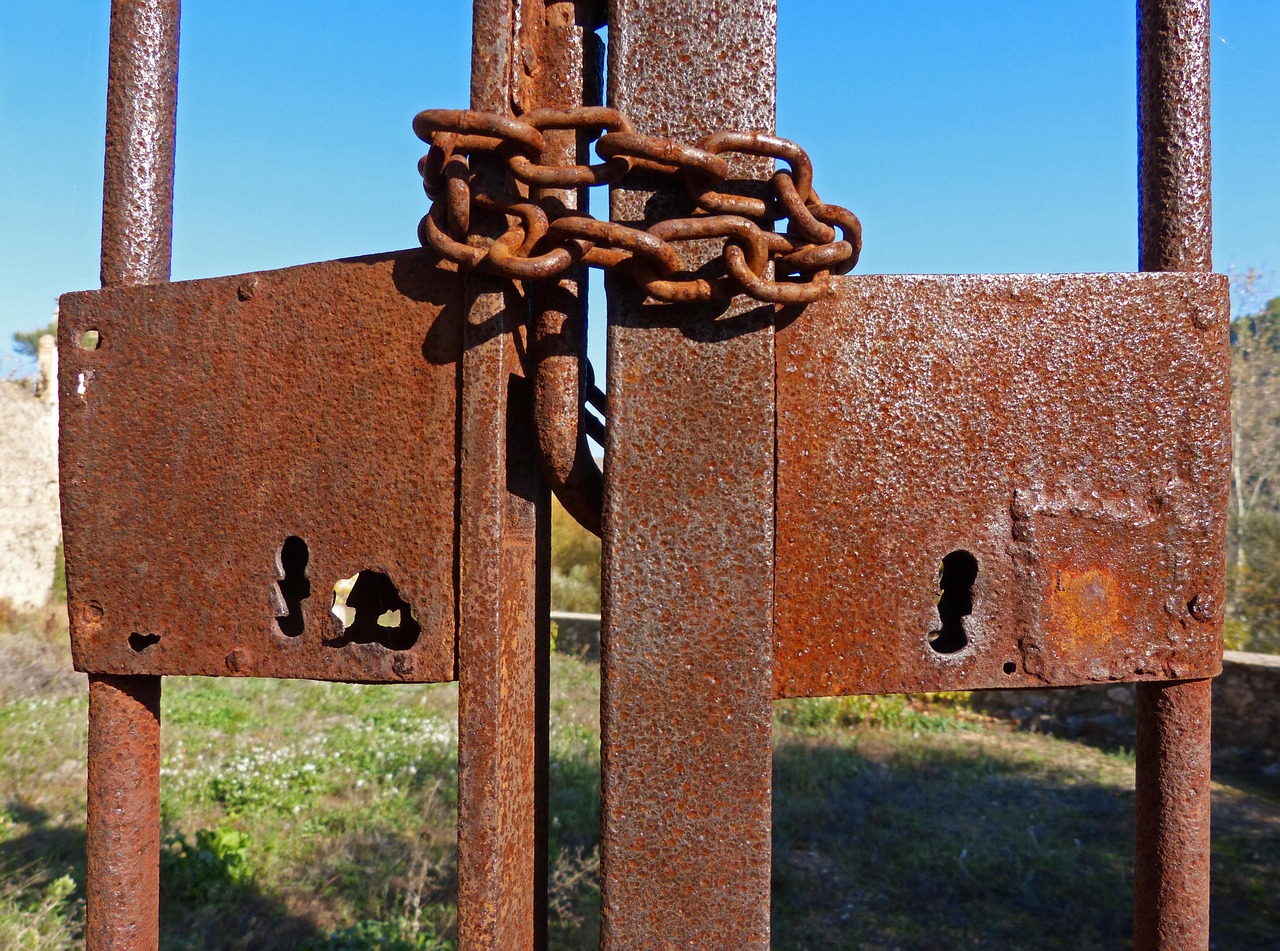
In purchasing language, HDG should not be used as a shortcut for every galvanized fastener. A complete callout identifies the bolt type or grade, dimensions, thread form, matching nut and washer requirements, and the hot-dip coating standard. For more background on related hardware categories, see the bolts and fasteners section.
Key standards behind HDG bolts
The most relevant U.S. fastener coating standard for many HDG bolts is ASTM F2329/F2329M-15(2023). ASTM describes it as covering hot-dip zinc coating requirements for carbon steel and alloy steel bolts, screws, washers, nuts, and special threaded fasteners. The requirements include coating thickness, finish and appearance, embrittlement testing, and adhesion testing. ASTM A153/A153M-23 is also active for hot-dip zinc coating on iron and steel hardware, while ASTM F2329 is the more fastener-focused reference for threaded components. (store.astm.org)
For structural steel connections, the coating standard is only one part of the specification chain. ASTM F3125/F3125M-26 covers high-strength structural bolts and assemblies in inch and metric dimensions. It includes grades associated with 120 ksi, 144 ksi, and 150 ksi minimum tensile strength classes, plus metric 830 MPa and 1040 MPa classes. ASTM states that bolts under this specification are intended for structural connections covered by the Research Council on Structural Connections specification. RCSC lists its current 2025 Specification for Structural Joints Using High-Strength Bolts, dated June 5, 2025. (store.astm.org)
Metric projects may also reference ISO 10684. ISO lists ISO 10684:2004 as the published standard for hot dip galvanized coatings on fasteners, covering coarse threaded steel fasteners from M8 through M64 and property classes up to and including 10.9 for bolts, screws, and studs and 12 for nuts. ISO also shows a committee draft for a second edition under development, so project teams should check the edition named in the contract documents rather than assuming a future revision has replaced the published standard. (iso.org)
HDG bolts vs zinc plated bolts
Hot-dip galvanizing and zinc electroplating both use zinc, but they are not interchangeable finishes. HDG bolts are immersed in molten zinc and typically have a heavier, more textured coating suited to outdoor corrosion protection. Zinc plated bolts are electrodeposited and are often smoother and brighter, which can suit indoor, light-duty, or appearance-sensitive applications. The coating system, thickness classes, and hydrogen embrittlement controls are governed by different standards.
| Feature | HDG bolts | Zinc plated bolts |
|---|---|---|
| Common intent | Outdoor corrosion resistance and rugged service | Indoor or lighter corrosion exposure with cleaner appearance |
| Typical appearance | Matte silver to gray, sometimes spangled or uneven | Bright, smooth, and more uniform |
| Fastener standard path | Often ASTM F2329/F2329M or ISO 10684, with the base bolt grade also specified | Often ASTM F1941/F1941M or ASTM B633, depending on part and project language |
| Thread fit impact | Coating thickness must be allowed for, usually through nut overtapping or matched assemblies | Usually less impact on thread fit, but still controlled by coating thickness class |
| Selection risk | Wrong nut fit, wrong grade, or confusing hardware galvanizing with structural bolting requirements | Using plating where outdoor exposure or high-strength embrittlement risk makes it unsuitable |
ASTM F1941/F1941M-16(2025) covers electrodeposited coatings on mechanical fasteners with unified inch and metric screw threads. ASTM B633-23 covers electrodeposited zinc coatings on iron or steel articles and notes that high-strength steels above 1700 MPa should not be zinc electroplated under that specification. This does not mean every HDG bolt is automatically suitable for every high-strength application. It means the coating process and strength class must be evaluated under the correct fastener and project standards. (store.astm.org)
Thread fit is the detail that often decides success
The most common practical issue with HDG bolts is thread fit. A hot-dip galvanized coating adds material to the external thread. If the matching nut is not prepared for that coating thickness, the assembly may bind, gall, seize, or fail inspection before the connection is fully tightened. For that reason, HDG bolt assemblies should be purchased as compatible sets whenever possible rather than assembled from separately sourced bolts and nuts.
The American Galvanizers Association design guidance explains the common approach: bolts are galvanized, while nuts are often galvanized as blanks and tapped after galvanizing to fit the coated male thread. Although the female thread surface may be uncoated after tapping, the zinc on the engaged bolt thread provides corrosion protection within the assembled joint. The same guidance points users to ASTM A563 overtapping allowances for nuts and internal threads. (galvanizeit.org)
This detail matters most on long bolts, fine threads, smaller metric sizes, and connections that must be pretensioned. ISO 10684 specifically states that hot dip galvanizing is not recommended for threaded fasteners below M8 or with thread pitch below 1.25 mm. That warning is useful even on non-ISO projects because it reflects a real manufacturing and assembly limitation: as thread geometry gets smaller, the available space for a thick zinc coating becomes harder to manage. (iso.org)
How to specify HDG bolts clearly
A clear HDG bolt specification starts with the mechanical requirement, not the coating. First define the bolt standard, grade or property class, diameter, length, thread series, and head style. Then define the coating standard and state whether the order requires bolts, nuts, and washers as a matched assembly. If the application is structural, the project should also identify installation and inspection requirements through the applicable steel connection specification. See also: Fittings & Valves.
- Identify the base fastener. HDG does not tell a supplier whether the bolt is a low-carbon machine bolt, anchor bolt, heavy hex structural bolt, or metric property class fastener.
- Name the coating standard. Use ASTM F2329/F2329M for many U.S. threaded fastener applications, ASTM A153/A153M where the hardware specification calls for it, or ISO 10684 where metric project documents require it.
- Match the nut and washer. The nut must be strong enough for the bolt grade and dimensionally compatible with the galvanized thread.
- Control substitutions. Do not let zinc plated, mechanically galvanized, zinc flake, or stainless hardware replace HDG unless the engineer or purchaser has approved the change.
- Check the assembly method. Structural joints may require pre-installation verification, calibrated installation methods, or specific inspection steps under RCSC or project rules.
For an order line, a useful structure is: bolt standard and grade, size and length, thread length or fully threaded requirement, finish as hot-dip galvanized to the selected standard, compatible galvanized nut standard and grade, washer standard if used, and any certificate or lot traceability required by the project. This wording reduces ambiguity more effectively than simply writing galvanized bolts.
Where HDG bolts perform well and where they have limits
HDG bolts are most useful where the fastener will see weather, condensation, industrial air, soil contact nearby, or other corrosive exposure that would quickly challenge plain carbon steel. They are common in exterior structural steel, guardrail and utility assemblies, towers, agricultural structures, outdoor timber hardware, pipe supports, and general civil infrastructure. In these applications, the zinc coating acts as both a barrier and a sacrificial material protecting the underlying steel.
They are less suitable where tight cosmetic appearance, very smooth threads, very small diameters, high-precision fits, or repeated disassembly are the main requirements. HDG surfaces are functional rather than decorative. The coating can be thicker at edges and threads, and minor surface irregularity is not unusual. If a project needs a bright finish, a very thin coating, or controlled friction in a small machine assembly, another coating system may be more appropriate.
Dissimilar-metal contact also deserves attention. The American Galvanizers Association notes that hot-dip galvanized steel is sometimes placed in contact with other metals, but the exposure environment and metal combination affect galvanic behavior. In wet or conductive environments, avoid casually combining HDG bolts with copper, bare carbon steel, stainless steel, aluminum, or weathering steel without checking the joint design, drainage, insulation, and project corrosion strategy. (galvanizeit.org)
Common mistakes to avoid
- Calling HDG a grade. HDG describes the zinc coating, not bolt strength.
- Mixing finishes in the same assembly. A hot-dip galvanized bolt should generally be used with compatible galvanized nuts and washers unless the project has a documented reason not to.
- Ignoring nut overtapping. If the nut was not made for a galvanized external thread, assembly problems are likely.
- Assuming all galvanized fasteners are hot-dip galvanized. Zinc plated fasteners are commonly called galvanized in casual conversation, but they are specified differently.
- Using old standard names without checking current documents. Structural bolting language has changed over time; for example, ASTM F3125 consolidated several earlier structural bolt standards, while RCSC has a 2025 specification available.
- Relying on coating alone in severe environments. Saltwater immersion, chemical exposure, crevices, trapped water, and dissimilar-metal contact may require a broader corrosion design.
Frequently asked questions
Are HDG bolts the same as galvanized bolts?
They can be, but the wording needs care. HDG means hot-dip galvanized. The word galvanized is sometimes used loosely for zinc plated or other zinc-coated fasteners, so purchasing documents should state hot-dip galvanized and name the applicable standard.
Are HDG bolts stronger than plain steel bolts?
No. The coating improves corrosion resistance; it does not define the mechanical strength of the bolt. Strength comes from the base fastener grade, material, heat treatment, and dimensional standard.
Why do HDG nuts sometimes look uncoated inside?
Galvanized nuts are commonly tapped after galvanizing so they can assemble with the thicker coated bolt thread. The internal thread may look bare, but the engaged zinc-coated male thread helps protect the interface once assembled.
Can HDG bolts be used in structural steel?
Yes, when the correct structural bolt assembly, coating standard, and installation specification are used. For U.S. high-strength structural joints, check ASTM F3125/F3125M, ASTM F2329/F2329M where hot-dip coating is specified, and the applicable RCSC project requirements.
Should HDG bolts be painted?
They may be painted as part of a duplex coating system, but surface preparation and coating compatibility matter. Paint should not be applied casually to threads or bearing surfaces where it could affect fit, tightening, or inspection unless the project documents allow it.


