
How Much Weight Can Toggle Bolts Hold in Structural Applications
How Much Weight Can Toggle Bolts Hold?
Toggle bolts look simple at first. They still carry smart design inside them. When you mount heavy fixtures on hollow walls, how well they work depends on a few clear things. Wall material comes first. Bolt size matters next. The way you put them in also counts. This article looks at the basic ideas behind how they work. It covers load factors too. And it compares how they do against other fasteners in real building jobs.
Toggle Bolts and Their Structural Role
Before you check weight numbers, it helps to see what toggle bolts do inside a wall. They are not plain screws with wings. They turn pulling forces into pressure that spreads across a wide area on the back side of hollow walls. In many homes the walls are thin. A good toggle bolt spreads the load so the wall does not crack right away. People often use them when hanging shelves or lights in rooms with no solid wood behind the surface.
Definition and Function of Toggle Bolts
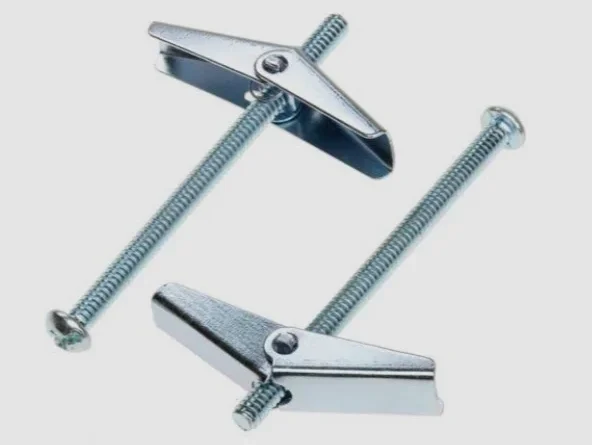
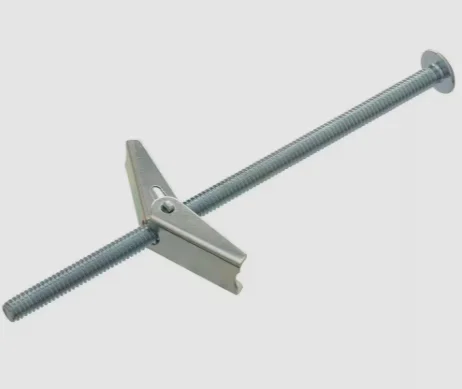
Toggle bolts are anchors made for hollow walls. They use spring-loaded wings. The wings open up after you push them through a drilled hole. Once open, the wings press flat against the back of the wall. This creates a solid base. Most toggle bolts use steel or stainless steel. Some come zinc plated. The plating helps fight rust and adds to how much weight they can take. In normal drywall work, one toggle bolt often holds 30 to 80 pounds. The exact amount changes with the bolt size and how clean the hole is. In a bathroom where moisture stays high, stainless steel versions last longer than plain steel ones. Workers in older houses sometimes find that plaster walls need extra care because the material can chip during drilling. A 3/16-inch bolt in half-inch drywall gives around 50 pounds in most cases. If the wall has wood backing added, the same bolt can reach 90 pounds or more without trouble. One crew on a kitchen job last year used 1/4-inch bolts and got steady results even when the shelves held stacks of plates and pans. The wings stay hidden once the job is done, so the wall looks clean from the front. The screw head sits flush on the outside. This keeps the look neat while the wings do the real work behind the surface. In a school hallway project the same size bolts held up signs that students bumped into every day without any pull-out issues.
Components and Mechanism of Load Transfer
A toggle bolt has two main parts. One is the machine screw or bolt shank. The other is the wing assembly. When you tighten the screw, it pulls the wings tight to the inside face of the wall. The load moves from the screw into the wings. The wings spread the force over a larger area. This works better than many standard anchors. Some forces pull straight out from the wall. Others push sideways along the wall. The wall type changes how well these forces are handled. Gypsum board, concrete block, or masonry each reacts in its own way. In a real kitchen job, installers often add extra toggles when hanging upper cabinets that hold dishes and pots. The wings stay hidden once the job is done, so the wall looks clean from the front. The screw head sits flush on the outside. This keeps the look neat while the wings do the real work behind the surface. In a garage remodel the crew found that adding a thin metal plate behind the wings gave extra spread and let them hang tool racks that weighed over 70 pounds each. The plate kept the drywall from cracking even after months of daily use. Shear forces act parallel to the wall surface while tensile forces pull perpendicular to it. The substrate type affects how efficiently these loads spread out. A 1/2-inch gypsum board gives less grip than thicker plywood, so crews often test one bolt first before doing the whole row.
Factors Influencing the Load Capacity of Toggle Bolts
The question of how much weight toggle bolts can hold does not have one fixed answer. Many things work together. Wall material, bolt size, and install accuracy all play a part. A small change in any one of these can shift the final number. Builders learn this from years on job sites where one small mistake can mean redoing the whole wall section.
Substrate Material Characteristics
The wall itself sets the limit on safe load. Gypsum board has low density. It gives less pull-out strength than plywood or concrete block. A 3/16-inch toggle in half-inch drywall might carry about 50 pounds straight out. The same bolt in thicker plywood backing can take much more. The thicker and harder the wall, the better it resists bending under load. In older homes the plaster can be brittle. Workers sometimes add a small wood plate behind the wall to spread the force even more. Drywall in new apartments tends to hold less because the paper facing tears easier during install. A 1/4-inch toggle in three-quarter-inch plywood often reaches 100 pounds or higher when the hole is drilled clean and the wings open flat. Moisture in the air can soften the core of the drywall over time. This drops the holding power by 15 percent or more after a few years in wet areas like laundry rooms. One apartment building crew noticed that south-facing walls with morning sun held better than shaded ones because the extra warmth kept the drywall drier. The wall composition dictates how much stress an anchor can safely carry before failure. Gypsum board offers limited pull-out resistance compared to denser materials like concrete or structural panels. For instance, a 3/16-inch toggle in 1/2-inch drywall might support around 50 pounds in tension but significantly more if installed in plywood backing. The thicker and denser your substrate is, the greater its capacity to resist deformation under load. In a retail store fit-out the team used 1/2-inch plywood backing strips and got reliable 85-pound holds on display racks that stayed up through busy holiday seasons.
Bolt Diameter and Length Considerations
Larger bolts usually hold more weight. They have more metal to share the stress. Length also matters. The bolt must reach far enough so the wings can open fully behind the wall. If it is too long, the wings may not seat flat. Installers pick the size that fits the wall thickness and the weight of the fixture. In a garage where shelves hold tools and paint cans, a 1/4-inch bolt often works better than a smaller one. Shorter bolts work fine for thin walls but can leave the wings loose if the cavity is deeper than expected. A common trick on job sites is to keep a few different lengths on hand so the crew can match the wall depth without wasting time. The diameter also affects how the threads grip the wings. Thicker bolts spread the turning force better and lower the chance of stripping during install. Bolt diameter directly correlates with strength. Larger diameters can handle higher tensile and shear forces because they distribute stress across more material. Length also plays a role. Sufficient embedment depth allows better engagement with the toggle mechanism behind the wall. However, excessive length may reduce clamping efficiency if not fully seated against the wall face. Engineers often balance these parameters based on fixture weight and expected dynamic conditions. In one warehouse project the team switched from 3/16-inch to 5/16-inch bolts after the first set showed small movement on 60-pound loads and got solid results with the bigger size.
Installation Parameters Affecting Performance
Even good bolts fail if the hole is wrong or the wings do not open right. The hole size must match the maker guide. If you turn the bolt too hard, you can crush the drywall. The wings may bend and holding power drops. Using steady, even force keeps the wings flat and the screw tight. Some crews mark the drill bit with tape so the hole depth stays the same each time. This small step cuts down on mistakes during long work days. Over-tightening shows up later as cracks around the screw head, especially in summer when humidity swells the wall. A quick check with a level after each install helps spot problems before the fixture goes up. The wings need room to swing out fully. If the hole is too small they stick partway and never lock in place. Even high-quality hardware fails if poorly installed. The drilled hole must match manufacturer recommendations so that toggles deploy correctly without slippage. Over-tightening is another common mistake. It can crush drywall or distort metal wings, reducing holding power instead of increasing it. Applying proper torque helps maintain consistent preload without compromising integrity. Something experienced installers pay close attention to during setup. In a recent office build the crew drilled test holes on scrap pieces first and found the exact size that let the wings open without tearing the paper face.
Evaluating Load Ratings in Structural Applications
Maker ratings give a useful starting point. They should never be treated as exact numbers for every job site. Real walls differ from lab samples. Field conditions often change the numbers by 20 percent or more.
Manufacturer Specifications vs Practical Conditions
Makers test anchors in clean lab rooms with perfect walls and steady humidity. Real sites bring moisture, dust, and vibration from nearby machines. These things lower the safe load over time. Engineers often use a safety factor of three or four to one when people or key equipment are near. In one school project, crews used extra safety margin because the toggles held light fixtures above student desks. Humidity in coastal areas can soften drywall cores within a year, so crews there often pick stainless steel and check torque again after six months. Lab numbers look good on paper, but a single rain leak can drop holding power fast. Dust from cutting can also get inside the wings and stop them from opening all the way on the next job. Manufacturers typically test anchors under controlled laboratory conditions using ideal substrates at stable humidity levels. Real-world environments introduce variables such as moisture absorption in drywall or vibration from nearby machinery that may reduce effective holding strength over time. To ensure safety margins, engineers usually apply safety factors, commonly between 3:1 and 5:1, when designing systems where human safety or critical equipment is involved. One factory team kept a log of every install and found that bolts put in during humid weeks needed a quick re-check two months later.
Static vs Dynamic Loading Scenarios
Some loads stay still, like a shelf with books. Others move or shake, like a fan or pipe that vibrates each day. When things shake, repeated stress can wear out both the bolt and the wall. In those spots, crews check the setup more often. They may add extra support bars to cut down on movement. A ceiling fan in a living room is a common case where dynamic load needs careful planning. Static loads on a bedroom wall usually stay safe for years. A garage door opener that starts and stops many times a day needs more frequent checks and sometimes a backup anchor nearby. Vibration from a washing machine in the next room can loosen bolts over months even if the weight stays under the listed limit. Static loads refer to consistent weights like shelves or signage that remain stationary after installation. Dynamic loads involve movement or vibration, for example ceiling-mounted fans or suspended piping that experiences oscillation during operation. Under cyclic loading conditions, fatigue analysis becomes essential since repeated stress cycles can gradually weaken both fastener and substrate materials even if individual loads stay below rated limits. In a print shop the team added rubber pads under the fan mounts and cut the vibration enough that the toggles stayed tight for over a year.
Comparative Analysis of Toggle Bolts with Other Anchoring Systems
Toggle bolts are not always the first choice. Comparing them with other anchors shows where they work best and where other options win. Each type has its place depending on the wall and the job.
Toggle Bolts vs Expansion Anchors
Expansion anchors need solid material to grip. In hollow walls they slip because there is nothing to push against. Toggle bolts work better here because the wings open behind the cavity. In solid concrete or brick, expansion anchors usually give stronger hold. A basement wall job often uses expansion anchors while an upstairs partition wall uses toggles. Expansion types can fail fast if the hole is even a little too big, while toggles forgive small errors in hole size as long as the wings open fully. The cost difference also matters on big jobs where dozens of anchors go in at once. In hollow walls such as drywall or plasterboard partitions, expansion anchors fail because there is insufficient material for expansion pressure to grip against. Toggle bolts excel here since their wings open behind the cavity rather than relying on friction within it. Conversely, expansion anchors outperform toggles in solid masonry or concrete where their radial expansion generates significant holding power. One basement crew switched to toggles on the upper floor after the expansion anchors kept spinning in the thin partition walls.
Toggle Bolts vs Chemical Anchors
Chemical anchors use glue inside a drilled hole. They can carry very high loads. But you must wait for the glue to set, sometimes several hours. Toggle bolts give holding power right away once tightened. They need less prep work. Their top strength is lower than a cured chemical anchor in solid material. In a quick repair at a store, toggle bolts let the crew finish the same day. Chemical anchors shine in outdoor concrete where weather hits the wall hard, but they cost more and need mixing on site. Toggle bolts stay popular for indoor hollow walls because no curing time means the fixture can go up in minutes. Chemical anchors rely on resin bonding between threaded rods and drilled holes within solid substrates like concrete. They deliver extremely high ultimate loads but require curing time before loading can occur, sometimes several hours depending on temperature and resin type. Toggle bolts provide immediate holding capability once tightened and need less preparation effort though their ultimate strength is lower by comparison. A restaurant kitchen crew used toggles for quick shelf installs and finished before the lunch rush started.
Engineering Considerations for Safe Design Implementation
When you plan to use toggle bolts, you must think about the real conditions they will face. Catalog numbers alone are not enough for every site. Good planning starts with a walk-through of the space to note wall thickness and any nearby vibration sources.
Determining Allowable Loads Based on Application Type
Light items such as light fixtures or small conduit can use smaller toggles with a normal safety factor. Medium jobs like ductwork need larger bolts and thicker backing. Heavy pipe or equipment often needs several toggles plus a metal plate. The plate spreads the load so no single bolt takes too much stress. In an office build-out, workers placed four toggles under each long shelf to hold file boxes safely. Light-duty ceiling panels in hallways often use 3/16-inch bolts spaced every 16 inches. Medium HVAC runs in retail spaces call for 1/4-inch bolts with at least two inches of wing spread behind the wall. Heavy-duty pipe supports in warehouses use 5/16-inch bolts and metal backing plates to share the weight across four or five points. For light-duty fixtures such as ceiling panels or electrical conduits, smaller diameter toggles suffice when paired with moderate safety factors around 3:1. Medium-duty applications like HVAC supports demand larger diameters while ensuring substrate thickness meets minimum embedment requirements specified by manufacturers. Heavy-duty installations, say suspended piping systems, often require multiple toggles spaced evenly across reinforced backing plates so that load sharing minimizes localized stress concentrations. One hospital project used six toggles per rack and kept the load under 40 pounds each to stay well inside the safety margin.
Incorporating Safety Factors in Design Calculations
Moisture can soften drywall. Rust can weaken steel over the years. Designers lower the allowed load to account for these changes. On important jobs, crews test a few bolts on site to confirm the numbers before they finish the rest. Keeping notes on torque and hole size helps later if questions come up. One factory job kept a simple log book that saved time during later inspections. Humidity in bathrooms often cuts the safe load by 15 percent after two years, so crews there add one extra bolt per fixture as backup. Field tests also show that paint layers on the wall can change how the screw head sits and slightly lower the final grip. Environmental exposure reduces long-term reliability. Humidity can soften gypsum cores while corrosion slowly weakens metal components over years of service life. Applying reduction coefficients accounts for these degradations during design calculations. Field pull-out testing under representative site conditions validates theoretical assumptions before full-scale deployment begins. Documenting torque values and installation steps forms part of quality assurance protocols used by professional contractors today. In a coastal hotel the team ran pull tests every six months and found the numbers stayed steady when they used stainless bolts and kept the torque log up to date.
Common Failure Modes and Mitigation Strategies
Even well-planned systems can fail if loads change or if parts are not checked from time to time. Regular checks catch small issues before they grow into big problems.
Pull-Out Failures Due to Overloading
If the pull force goes past the bolt or wall limit, the anchor can come out suddenly. To lower this risk, place bolts far enough apart so their stress zones do not overlap. For lights or signs over work areas, adding a second row of bolts gives backup if one lets go. In a retail space, extra bolts kept a display wall safe during busy shopping days. Overloading often happens when someone adds more weight later without checking the original plan. A quick pull test with a spring scale on one or two anchors can show if the wall is still holding as expected. Spacing the bolts at least six inches apart in drywall helps keep stress zones from joining and causing early failure. This failure mode happens when applied tensile force surpasses either anchor rating or substrate capacity leading to sudden release from the wall cavity. Preventive measures include spacing anchors adequately apart so their stress zones do not overlap and using redundant supports where possible especially for safety-critical fixtures like overhead lighting grids. One office team added a second row after a single bolt pulled out during a heavy file move and avoided any further issues.
Shear Failures from Lateral Loading
Sideways bumps can bend the wings or strip the threads. A simple wood or metal brace under a heavy cabinet takes some of that side load off the bolts. This makes the whole setup last longer. A warehouse shelf that got bumped by a cart stayed in place because of added braces. Lateral loads show up most in hallways where people pass close to the wall. Adding a small angle bracket below the main bolts often solves the problem without extra cost. The brace also keeps the fixture from tilting if one bolt starts to loosen over time. When horizontal forces act parallel to surfaces, like when someone bumps into mounted furniture, the resulting shear stresses may deform toggle arms or fracture threads at junction points. Installing secondary braces beneath heavy objects reduces direct shear on individual fasteners thereby extending service life considerably. In a school corridor the added braces stopped the display cases from shifting even after years of student traffic.
Material Fatigue Under Cyclic Loading Conditions
Constant small movements, like from a running motor nearby, can start tiny cracks in the wings or the drywall. Over months or years these cracks grow. Regular checks for loose screws or small movement let you fix things early before a bolt falls out. A shop near a printing press used monthly checks and caught a loose toggle before any damage happened. Fatigue shows up faster in areas with daily temperature swings because the wall expands and contracts around the bolt each day. Checking the screw head for small gaps around the edge gives an early sign that the wings may be starting to lose their grip behind the wall. Repeated oscillations cause microscopic cracks both within metallic wings and surrounding plasterboard matrix eventually leading to fatigue-induced detachment if unaddressed long enough. Regular inspection schedules help detect early warning signs such as slight loosening or visible movement allowing timely corrective action before catastrophic failure occurs. In a factory with daily temperature changes the team added a quick visual check to the morning routine and caught two loose bolts before they became a real problem.
FAQ
Q1: How much weight can a standard toggle bolt hold?
A: In half-inch drywall, a common 3/16-inch toggle holds about 50 pounds straight down. Brand and install quality change the number. Some crews add a test pull to be sure. Numbers can drop if the wall has been painted many times or if the hole was drilled at a slight angle. A fresh install in clean drywall gives the best results, while older walls with layers of paint may lose 10 pounds or more from the listed rating. In half-inch drywall, typical 3/16-inch toggles hold around 50 pounds vertically though this varies by brand and installation precision.
Q2: Do larger toggle bolts always mean higher strength?
A: In most cases yes, because more metal shares the load. Still, the wall must be strong enough to support the extra force. A thin wall can limit what even a big bolt can do. A 1/4-inch bolt in half-inch drywall may only gain 10 or 15 pounds over a 3/16-inch size if the wings cannot spread fully. Always check the wall thickness first before choosing a larger bolt for the job. Generally yes. Larger diameters increase contact area improving both tensile and shear resistance but only up to what your substrate can safely support.
Q3: Can toggle bolts be reused after removal?
A: No. Once the wings open behind the wall, they come off when you unscrew the bolt. You need new hardware for another hole. This keeps the connection safe and tight. Reusing old wings often leaves them bent, so they no longer sit flat against the back of the wall. New wings cost little and give a fresh start each time. No. Once deployed inside a cavity their wings detach upon unscrewing making reinstallation impossible without replacing hardware entirely.
Q4: Are toggle bolts suitable for concrete walls?
A: They are not the best choice. Chemical or expansion anchors work better in solid walls. Toggle wings cannot open properly in solid material. Trying to force them into concrete usually breaks the wings or leaves the bolt loose from the start. Solid walls need anchors that expand inside the hole rather than behind it. Not ideally. Chemical or expansion anchors perform better since solid materials do not allow toggles wings to open effectively behind surfaces.
Q5: What’s the best way to prevent loosening over time?
A: Use the correct torque when you install them. Check them now and then, especially near machines that shake. A quick look each month can catch small issues early. In areas with high vibration, adding a lock washer under the head often stops the screw from turning loose on its own. Regular checks keep the setup working safely for years without sudden problems. Apply correct torque during installation and inspect periodically especially where vibration exists such as near HVAC units or moving machinery systems.


