
What Factors Define the Right Wood Screws for Precision Joinery
The Role of Wood Screws in Precision Joinery
When you work on fine joinery the wood screws you pick really matter. They decide how well the joint stays together. They also decide how clean it looks. And they decide how long it lasts when loads change. Good joinery is not only about skill. It also means picking the right parts and putting them in with care so everything fits and holds. In a typical kitchen cabinet job you might use twenty or thirty screws. Each one has to line up just right or the doors will not close smoothly later.
The Function of Screws in Structural Integrity
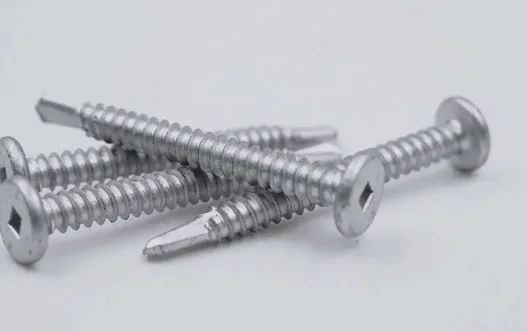
Screws act like the main support in most wood builds. They keep parts from moving when forces pull or push on the joint. The right screw keeps the joint tight even when things shake or when weight shifts. The wrong screw can split the wood or come loose too soon. A screw that is too long may go right through a thin board. A screw that is too short may not hold deep enough in the base wood. Think about a bookshelf that holds heavy books. If the screws are short the shelves can sag after a few months.
The Relationship Between Screw Design and Joinery Precision
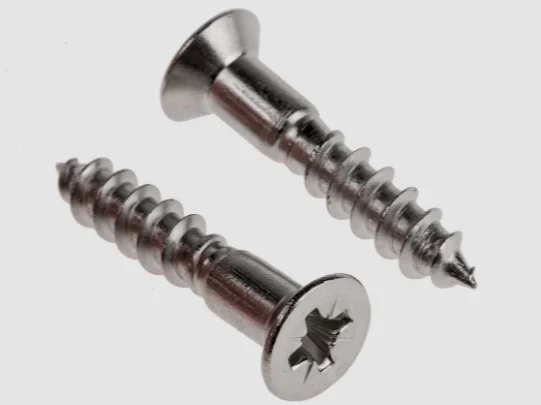
Screw shape affects how well two pieces of wood line up. The threads decide how tight the parts pull together when you drive the screw in. Deep sharp threads work well in soft wood because they bite into the grain. Finer threads suit hard wood because they lower the chance of splitting the fibers. Head shape matters too. Flat heads sit level with the surface in cabinets. Pan heads spread the load better on brackets. Metals also expand at different rates when heat or moisture changes. So the choice of metal can affect long term fit. For example in a bathroom vanity the humidity rises and falls each day. That movement can loosen a screw if the metal and wood do not match well.
Key Factors Influencing Wood Screw Selection
Picking wood screws is more than just length and width. You need to match the screw to the job and the place where the piece will sit. Think about the metal the size the head and the drive type before you start. Many woodworkers keep a small chart on the bench with common sizes and their best uses. That habit saves time when a project moves fast.
Material Composition and Coating Considerations
Each metal has its own strong points. Stainless steel fights rust well in damp spots yet it bends more easily than carbon steel. Brass gives good rust protection and a warm look that fits decorative work but it is not the strongest choice. Carbon steel is very strong yet it needs a coating such as zinc to stop rust when used outside. For decks or boat furniture stainless or coated carbon steel is the usual pick. For indoor cabinets plain brass or steel often works fine. One builder I know uses brass screws on all visible furniture parts because customers like the color. He switches to coated carbon steel for the hidden frame pieces where strength matters more.
Dimensions: Length, Diameter, and Thread Pitch
Length sets how deep the screw goes into the base wood. In most cases about two thirds of the screw should sit inside the base for good hold. Diameter changes how the load spreads. A thicker screw spreads force over a wider area but it needs a larger pilot hole so the wood does not split. Thread pitch should match wood density. Coarse threads grip soft wood well without tearing the grain. Fine threads work better in hard wood because the tight grain can crack if the threads are too rough. When you work with three quarter inch plywood the length is often one and a half inches so two thirds stays in the base.
Head Types and Drive Systems for Precision Assembly
Before you choose screws think about looks and how easy they are to drive. The head style changes both the final look and the strength of the connection.
Common Head Styles in Joinery Applications
Flat head screws are common in furniture because they sit flush once countersunk. This gives a clean surface before stain or paint. Pan head screws suit brackets because their wide face spreads pressure on soft wood. In a dining table project the flat heads go into the top so nothing catches on tablecloths later. The pan heads go under the apron where extra bearing surface helps.
Drive Systems and Their Impact on Torque Control
The drive type changes how well torque moves from the tool to the screw. Phillips heads are easy to line up but they can slip when you push hard. Torx heads give better grip and less slip which helps when you drive many screws in a row. Square drives sit in the middle for ease and control. In a production shop where twenty cabinets are built each week Torx bits last longer and workers make fewer mistakes from cam out.
The Influence of Wood Type on Screw Performance
Different woods react in different ways when a screw goes in. Knowing the wood helps you avoid later problems. Some woods like cedar are very soft and can tear if the screw is driven too fast. Others like walnut are dense and need more care at the start.
Softwoods vs Hardwoods: Mechanical Considerations
Soft woods like pine give way around coarse threads. They hold well and rarely split even without a pilot hole. Hard woods like oak or maple need finer threads. Their tight grain resists movement and coarse threads can split the board along the grain. A simple test is to drive a screw into a scrap piece first. If it goes in without cracking you can use the same size on the real parts.
Moisture Content and Dimensional Stability
Wood swells when it takes in water and shrinks when it dries. This movement can loosen screws over time if you do not plan for it. Pilot holes lower stress at the entry point and help the joint stay tight when the wood moves especially in dense boards used for cabinets or floors. In a house with no air conditioning the wood can gain or lose five percent moisture from winter to summer. That small change adds up across a long joint.
Advanced Design Parameters for Precision Joinery Screws
Today’s wood screws are made with special thread shapes and point types for materials like MDF or plywood. These changes came about because builders asked for faster install times without losing strength.
Thread Geometry Optimization for Load Transfer Efficiency
Twin lead threads move the screw twice as far with each turn. This speeds up work while still giving strong hold which is useful in layered boards where each layer must grip the threads. Some screws also change thread shape along the shank so pressure stays even in both end grain and side grain. When you build a plywood box the twin lead style can cut the number of turns needed by almost half.
Point Design and Pilot Hole Strategy
The point on a screw decides how easily it starts in the wood. A good point saves time and keeps the surface clean.
The Role of Point Type in Reducing Installation Stress
Self drilling points cut their own hole in soft boards or particleboard so you skip the pilot step. Sharp tips push fewer fibers aside which keeps the surface flat around the hole an important detail on visible cabinet doors. On a painted door even a small bulge shows after the first coat of paint.
Pilot Hole Sizing Guidelines for Precision Fitment
In hard wood make the pilot hole about seventy to eighty percent of the root diameter. This stops splits yet still leaves enough wood for the threads to bite. Depth also counts. Too shallow leaves threads outside the wood. Too deep removes too much support and lowers pull out strength. A quick way to check is to hold the screw next to the drill bit before you start.
Environmental and Application-Specific Considerations
Where the finished piece will live decides which screw will last. A piece that sits near a window gets more sun and heat than one in a dark corner.
Indoor vs Outdoor Use Requirements
Outside jobs need screws that fight rust so stainless or coated carbon steel is common. Inside jobs focus more on looks. Brass plated flat heads often match polished wood while still giving enough strength for normal use. On an outdoor deck the screws see rain and sun every day so a cheap screw may rust in one season.
Exposure to Temperature Fluctuations and Humidity Cycles
Heat and cold make metal and wood expand at different rates. Over years this can open small gaps around the screws and weaken the joint. Choosing metals with expansion rates close to wood helps reduce these slow stresses. In a sunroom that gets hot in summer and cold in winter the gaps can appear after three or four years if the wrong screws are used.
Installation Techniques That Enhance Screw Performance in Joinery
Even the best screw will fail if the install is poor. Careful torque and steady alignment set good work apart from rushed work. Many shops now use a torque driver on every job because it removes guesswork.
Torque Management for Consistent Clamping Force
Steady torque keeps you from crushing wood under the head or leaving the joint loose. Torque limiting drivers help when you have many identical joints such as in modular cabinets where every screw must sit at the same depth. A driver set at twenty five inch pounds works well for most cabinet screws in hardwood.
Alignment Strategies During Assembly Operations
Good joinery needs steady alignment from start to finish. Small errors at the beginning show up as gaps at the end.
Maintaining Joint Accuracy Through Controlled Insertion Techniques
Tighten screws in a staggered order so tension spreads along the whole joint instead of piling up at one end. Countersink first so the head sits flush without tearing surface grain especially on panels that will get a clear coat. In a long table top it helps to start at the middle and work toward each end.
Post-installation Inspection Parameters for Quality Assurance
After driving check seating depth with a simple gauge to confirm all screws sit at the same level. A light shake test can show if any joint feels loose before you move to finishing steps and avoid later fixes. One extra minute of checking can save an hour of repair work later.
FAQ
Q1: How do I choose between stainless steel and carbon steel wood screws?
A: Pick stainless steel when rust is a real risk such as outside or near water. Pick carbon steel when you need extra strength and the piece stays dry indoors.
Q2: Should I always pre-drill holes before inserting wood screws?
A: Soft woods often do not need pilot holes unless you work near an edge. Hard woods almost always need them to stop splits.
Q3: What’s the best drive system for precision woodworking?
A: Torx gives steady torque with little slip which helps during long cabinet runs. Phillips can cam out more easily when torque rises.
Q4: How does thread pitch affect holding power?
A: Coarse threads sink deep into soft wood and increase grip. Fine threads spread load in hard wood and lower the chance of cracks along the grain.
Q5: Why do some screws back out over time?
A: Humidity swings make wood shrink and loosen the hold. Good coatings and even torque lower this risk over the life of the piece.


