
Reducing Construction Delays with Qewit’s Through Bolts
In the world of construction, time is of the essence. Every delay can result in increased costs, strained client relationships, and cascading impacts on project timelines. Therefore, choosing the right fasteners is crucial in ensuring that structures are not only safe and secure but also erected in a timely manner. This is where qewit's Through Bolts come into play, as they have been engineered to tackle the persistent problem of construction delays head-on.
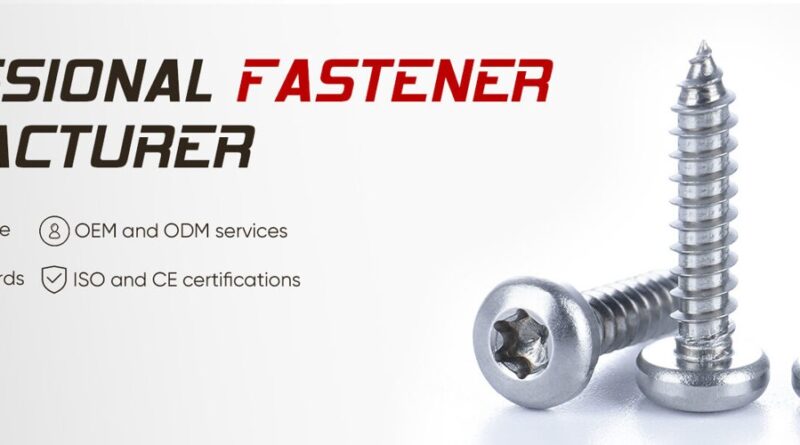
Through bolts, sometimes referred to as concrete bolts or rivets depending on the application, are fasteners designed to hold components together securely. Their role is pivotal in the construction industry, where the stability and safety of structures depend heavily on the quality of these small yet mighty components. Qewit's innovative approach to through bolts ensures that they are not only reliable but also efficient in their application, reducing the time required for installation and minimizing potential hold-ups.
One of the most significant advantages of Qewit's Through Bolts is their ease of use. Traditional bolts often require extensive preparation of the material they are being installed into, such as pre-drilling and additional anchoring components. This can be time-consuming and labor-intensive, often leading to delays if any part of the process encounters a snag. However, Qewit's design allows for direct installation into concrete without the need for extensive pre-drilling, thanks to their unique self-tapping feature. This reduces the time spent on-site and allows projects to progress more swiftly.
Moreover, Qewit's Through Bolts boast a high load-bearing capacity, which means fewer bolts are required for a given section of a structure. This not only simplifies the logistics of transporting and storing these fasteners but also accelerates the installation process. Workers can focus on fewer fastening points, which translates into a faster overall build time without compromising on safety or structural integrity.
Quality is another cornerstone of Qewit's product line. Every batch of through bolts undergoes rigorous testing to ensure they meet the highest standards of durability and performance. This commitment to quality means that once installed, these bolts offer long-term reliability, reducing the need for maintenance and replacements that could disrupt the construction timeline. The peace of mind that comes with knowing the fasteners will perform as expected is invaluable to project managers and on-site engineers.
In addition to their practical benefits, Qewit's Through Bolts are also designed with sustainability in mind. The construction industry is increasingly focusing on reducing its environmental impact, and Qewit is no exception. By utilizing materials and manufacturing processes that minimize waste and energy consumption, Qewit's fasteners contribute to greener building practices. This not only appeals to environmentally conscious developers but also aligns with regulations in many regions that are pushing for more sustainable construction methods.
The adaptability of Qewit's Through Bolts is another feature that sets them apart. They are suitable for a wide range of applications, from securing steel frames to anchoring heavy machinery. This versatility means that contractors can rely on a single type of fastener for multiple aspects of a project, streamlining procurement and inventory management. The reduced complexity in ordering and handling materials can lead to significant savings in both time and resources.
Real-world scenarios further illustrate the impact of Qewit's Through Bolts on reducing construction delays. Take, for instance, a large-scale commercial building project where time management is critical. In such cases, the ability to quickly and securely fasten components can mean the difference between meeting or missing a deadline. By adopting Qewit's through bolts, contractors have reported reduced installation times and fewer complications, allowing them to adhere to tight schedules more effectively.
Another example can be drawn from infrastructure projects such as bridges or tunnels, where the reliability of fasteners is paramount to safety. The high load-bearing capacity and durability of Qewit's Through Bolts ensure that these structures can withstand the stresses of heavy use and environmental factors, thus minimizing the risk of failure and subsequent project delays.
While the construction industry is notorious for its challenges, innovations such as Qewit's Through Bolts are paving the way for more efficient and reliable building practices. By addressing common pain points like installation time and material quality, these fasteners are playing a crucial role in mitigating the risk of delays, ultimately saving time and money for developers, contractors, and clients alike.
Looking to the future, the role of through bolts in construction is likely to evolve with the industry's shifting demands. As technology advances, there will be a continued push for even more efficient and sustainable building practices. Qewit is well-positioned to lead the charge, with ongoing research and development efforts aimed at further enhancing the performance of their fasteners. The integration of smart technology, for instance, could provide real-time data on bolt integrity, offering an additional layer of security and reducing the need for manual inspections.
In summary, Qewit's Through Bolts offer a comprehensive solution to one of the construction industry's most pressing issues: delays. Their ease of use, high load-bearing capacity, quality assurance, sustainability, and versatility make them an indispensable tool for modern construction projects. By choosing Qewit's Through Bolts, builders can confidently tackle their projects knowing they have a reliable partner in ensuring timely and successful completion. As the industry continues to evolve, the role of innovative fasteners in shaping the future of construction cannot be overstated, and Qewit stands at the forefront of this transformation.


