

What Are Dowel Pins and Why Are They Essential in Precision Assembly
Dowel Pins and Their Core Functions
Dowel pins play a key role in mechanical setups today. They show up in tight builds where tiny gaps count. These pins line up parts and keep them steady. Even simple looking ones affect how well everything holds over time because of shape and material choices.
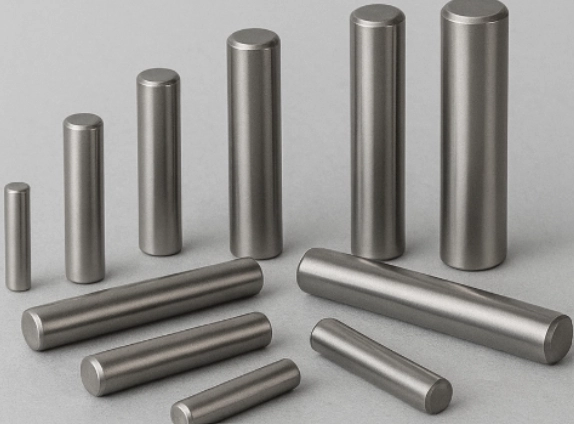
Definition and Basic Characteristics of Dowel Pins
A dowel pin is a round rod. It connects or lines up two or more pieces with care. Makers often use steel, stainless steel, or hardened alloy. These choices give strength and fight wear. Standards like ISO 2338 and DIN 6325 set the sizes. Shops can swap pins from different makers without extra work on the holes. The ends come chamfered or rounded. That helps when workers or machines push the pins in place.
The Role of Dowel Pins in Precision Alignment
Shops need the same spot every time. Dowel pins give that fixed spot. They stop small shifts that ruin fits or cause shake. Take a gearbox housing and its cover. A tiny move can throw off the bearings and start vibration. The pins stop that by locking the spots. Batches stay the same across runs. Aerospace and auto plants count on this. Tolerance stack can cost hours of fix work otherwise.
Types and Materials of Dowel Pins
Jobs differ. Some need heavy hold. Others need easy swap later. Humidity and heat also matter when picking the right pin.
Common Types of Dowel Pins Used in Industry
Solid pins handle big loads. They work in frames and jigs that see daily stress. Tapered pins start narrow at one end. They slide in easier yet seat tight at the end. Grooved and slotted pins give a bit when pushed. They spring back and hold in soft aluminum or plastic. Shops use these when solid pins would crack the housing.
Material Selection and Its Impact on Performance
Steel with stainless grade fights rust near water or in food lines. Hardened steel takes hits in presses and die sets. Plastic pins keep electric parts safe from shorts. They fit light cases and circuit boards. Brass shows up when easy cutting matters and rust stays away, though it bends under heavy push.
Applications of Dowel Pins Across Industries
You see dowel pins in machines, cars, planes, and even phones. They give steady spots without extra parts that complicate the build.
Mechanical Engineering and Manufacturing Uses
In a busy machine shop the pins mark the same place on fixtures day after day. Drills and mills hit the mark because the fixture never drifts. Parts made on Monday match ones made on Friday even if the batches run at two plants. That cuts rework when modules ship across sites.
Automotive and Aerospace Applications
Engine blocks use hardened pins so the crank bore stays true after heat cycles. A plant in the Midwest once traced a rattle to pins that had worn 0.02 mm. New pins fixed the run in one shift. Planes pick titanium pins to save weight. They keep wing parts lined up even when the metal expands at 30,000 feet. Safety teams check these pins on every overhaul.
Electronics and Consumer Product Assembly
Circuit boards sit on small stainless or plastic pins so the USB ports line up with the case holes. Phone makers use them in molds. The two halves close square and leave no flash line. IP67 seals pass first try more often when the pins guide the parts. Lines that run 24 hours see fewer rejects at the camera check station.
Design Considerations When Using Dowel Pins
Size, fit, and how the pin goes in decide if it lasts or wears early. Bad choices create stress points or leave the pin loose after a few weeks.
Proper Sizing and Fit Tolerances
Press fit pins stay put under shake but need a press to remove. Slip fit pins come out by hand yet can rock if the hole is even 0.01 mm large. Shops test both on sample parts before full run. Cast iron can crack if the hole is too tight, so workers check with a go-no-go gauge first.
Installation Techniques for Optimal Performance
Holes must be straight and on size. A drill that wanders leaves the pin sitting crooked. A drop of light oil helps the pin slide without scoring the wall. When service crews pull pins they use a slide hammer or pin puller. Screwdrivers and pliers leave marks that later cause leaks.
Advantages of Incorporating Dowel Pins in Precision Assembly
Good pins add strength and speed at every stage of the part life. They cut time spent on guesswork during builds and fixes.
Enhancing Structural Integrity and Repeatability
Pins take the side push while bolts hold the clamp load. Joints stay tight longer. A pump maker in Ohio switched to dowel-located covers and cut warranty claims on leaks by half in one year. The pins stop the small rock that loosens threads over months of run time.
Improving Efficiency in Manufacturing Processes
When every cover goes back on the same holes, calibration checks finish faster. One engine line now resets fixtures in twelve minutes instead of thirty. Night shift crews no longer chase small offsets that once added scrap at the start of each run.
Emerging Trends and Innovations in Dowel Pin Technology
New coatings and harder surfaces help pins last longer in tough spots. Robots also need pins that drop in place every time without extra nudges.
Advanced Materials and Coatings for Longevity
Nitrided pins keep a hard skin yet stay tough inside. Black oxide adds a bit of rust hold and helps the pin grip when pressed into oily holes. Coolant lines in CNC mills now use these coated pins and see less pitting after six months of use.
Integration with Automated Assembly Systems
Robot cells need pins ground to tight roundness so the gripper can place them at 0.005 mm repeat. Smart factories log each pin install. Data shows which stations need pin checks first when vibration starts to rise.
FAQ
Q1: What’s the main difference between solid and tapered dowel pins?
A: Solid pins give full strength for builds that stay together. Tapered pins go in and out easier yet still lock the location once seated.
Q2: Why choose stainless-steel dowels over hardened steel ones?
A: Stainless holds up when water or salt is around. Hardened steel takes more shock in presses but can rust if the air stays damp.
Q3: How do I decide between press-fit versus slip-fit installations?
A: Pick press fit when vibration never stops and the pin should stay forever. Pick slip fit when crews open the cover every few months for service.
Q4: Can plastic dowels handle mechanical stress effectively?
A: Plastic pins work fine in light cases and boards where weight and insulation matter more than heavy push. They show up in phone and sensor housings.
Q5: Are coated dowel pins worth using in industrial settings?
A: Coatings cut wear and slow rust in wet or oily spots. Shops running coolant through machines report longer pin life with black oxide or nitride layers.


