

What Makes Self Drilling Self Tapping Metal Screws the Core of ITW’s Buildex Teks Innovation
How Much Weight Can Drywall Anchors Hold In Your Home?
Drywall anchors distribute loads across a non-structural wall system, allowing fixtures to stay secure without direct stud support. In most residential walls, a single self drilling plasterboard anchor can safely hold between 10 and 25 kilograms depending on drywall thickness, anchor material, and installation quality. For heavier loads such as shelving or TV brackets, combining multiple anchors or connecting to studs increases safety margins. The true holding strength depends not only on the anchor’s design but also on how forces transfer through the gypsum core and paper layers.
Understanding the Role of Self Drilling Plasterboard Anchors in Load Distribution
In modern wall systems, load distribution relies heavily on how anchors interact with the plasterboard substrate. A self drilling plasterboard anchor functions by converting localized pressure into distributed stress zones within the board’s structure.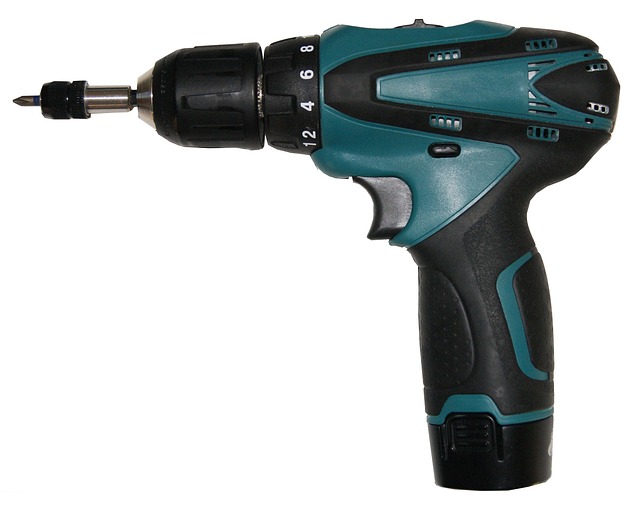
Structural Mechanics Behind Drywall Anchoring
Drywall itself lacks structural rigidity; it primarily serves as a surface finish. When an anchor is installed, its threads engage with the gypsum core and create compression rings that resist pull-out forces. The geometry of these threads determines how effectively they grip the fibrous gypsum matrix. A wider thread pitch increases surface contact but may reduce penetration depth, while a narrower pitch enhances mechanical interlock. The expansion force generated during installation helps stabilize the anchor against both tensile and shear stresses.
Material Properties Affecting Anchor Performance
Gypsum density plays a critical role in determining how much weight an anchor can support. Denser boards provide higher pull-out resistance because they offer better frictional engagement with the threads. Paper layer thickness also matters; thin paper skins can tear under excessive torque or load concentration. Moisture content further affects performance—humid conditions soften gypsum, reducing holding capacity over time. Single-layer drywall typically supports less load than double-layer systems because additional layers distribute stress more evenly across a larger area.
Influence of Wall Composition on Load Transfer
The presence of studs or cavity insulation changes how loads travel through the wall assembly. When an anchor is close to a stud, some force transfers directly into the wood frame, increasing stability. Conversely, hollow cavities behind thin drywall amplify bending moments around the anchor point. Insulation materials like mineral wool slightly dampen vibrations but do not contribute structural strength.
Engineering Principles of Load Capacity in Drywall Systems
The engineering perspective focuses on how forces act upon anchors once installed and how those forces dissipate through the wall material.
Shear and Tensile Forces Acting on Anchors
Anchors experience two main types of stress: shear and tensile. Shear occurs when vertical loads push parallel to the wall surface—such as when hanging shelves—testing the anchor’s resistance to sliding failure. Tensile stress acts perpendicular to the board, pulling directly outward from the surface. Real-world installations often combine both stresses; for example, a mounted bracket exerts downward shear while simultaneously pulling outward at its upper fasteners.
Load Transfer Pathways Within Plasterboard Assemblies
Once loaded, stress travels from the screw head into the flange and then through the thread interface into surrounding gypsum fibers. Efficient load transfer depends on maintaining full thread contact along the entire embedment length. Edge distances also matter: placing anchors too close together concentrates stress fields and leads to premature cracking or pull-out failure. When multiple anchors share a load evenly spaced apart, each experiences lower individual stress levels.
Reinforcement Through Multiple Anchors
For heavy fixtures like cabinets or handrails, using several self drilling plasterboard anchors distributes forces across a broader area of drywall. This method reduces local deformation around each anchor point and minimizes risk of sudden failure if one connection weakens over time.
Determining Load Capacity Through Anchor Design Parameters
Anchor geometry and material selection define much of their performance envelope in plasterboard applications.
Influence of Anchor Geometry on Performance
A larger flange diameter spreads pressure over more surface area, preventing damage to outer paper layers during tightening. Thread depth determines penetration strength within gypsum; deeper threads improve grip but require greater torque during installation. Material composition also matters: nylon anchors resist corrosion and vibration loosening but deform under sustained heavy loads; zinc alloy variants offer higher stiffness; steel versions provide maximum durability for demanding applications such as ceiling mounts or wall brackets.
Testing Standards for Self Drilling Plasterboard Anchors
Performance verification follows standardized testing such as ASTM E488 for tensile and shear evaluation of anchors in concrete and similar materials adapted for drywall systems. Static tests measure ultimate strength under constant loading conditions, while dynamic tests simulate real-life fluctuations from vibration or repeated use. Engineers apply safety factors—often between 2 and 4—to account for inconsistencies in installation torque, wall condition, or environmental exposure.
Safety Margins in Practical Use
Even though laboratory results might show high ultimate capacities, field conditions rarely match controlled testing environments. Applying conservative safety factors ensures that even poorly installed anchors maintain acceptable performance levels throughout their service life.
Installation Variables Impacting Load Bearing Capacity
Installation technique directly affects how well self drilling plasterboard anchors perform once subjected to real-world loads.
Correct Installation Techniques for Optimal Strength
Proper torque application is essential: too little torque leaves gaps between threads and gypsum; too much crushes surrounding material. Self drilling designs eliminate pre-drilling steps but still require steady rotational speed to prevent overheating or tearing of paper layers. Aligning screws along expected load direction reduces bending moments that could otherwise cause gradual loosening over time.
Common Installation Errors Leading to Reduced Performance
A frequent issue arises when installers misalign anchors relative to applied loads—for instance, angling them downward instead of perpendicular—creating eccentric stresses that accelerate fatigue failure. Oversized pilot holes weaken thread engagement even if expansion wings deploy correctly. Using mismatched screws with incompatible head shapes can strip internal threads or overstress flanges during tightening.
Environmental Considerations During Installation
Temperature variations affect plastic-based anchors more than metal ones; cold conditions make nylon brittle while heat softens it slightly under sustained pressure. Ensuring stable ambient conditions during installation prevents premature degradation later.
Practical Evaluation of Drywall Load Capacity Using Self Drilling Anchors
Assessing real-world capacity involves considering both manufacturer data and field conditions unique to each wall system.
Estimating Allowable Loads Based on Wall Type and Anchor Specification
Typical self drilling plasterboard anchors hold between 10–25 kilograms per point depending on drywall thickness (usually 9–15 mm) and whether it’s single or double layered. Double-layer assemblies increase allowable weight nearly twofold due to improved stiffness and reduced deflection around each fastener site. Manufacturers’ datasheets specify recommended working loads derived from controlled tests rather than ultimate breaking strengths.
Strategies for Enhancing Load Capacity in Real Installations
Using Multiple Anchors for Distributed Loads
Even spacing among multiple points prevents concentrated stress peaks that could fracture gypsum cores near mounting zones.
Integrating Studs or Reinforcement Plates Behind Drywall
Combining self drilling plasterboard anchors with stud-mounted supports significantly boosts stability for heavy fixtures like kitchen cabinets or large mirrors by transferring part of the load into structural framing members.
Selecting Anchors According to Application Requirements
Light-duty nylon variants suit small decor items such as picture frames; medium-duty metal types handle shelving systems; heavy-duty steel versions safely mount televisions exceeding 30 kilograms when used alongside secondary reinforcement points.
Advanced Considerations for Professionals in Structural Assessment
Beyond immediate load ratings lie long-term behavioral factors critical for engineers evaluating service life reliability.
Evaluating Long-Term Performance Under Cyclic Loading Conditions
Repeated loading cycles gradually loosen thread engagement due to micro-cracking within gypsum fibers surrounding each anchor’s body. Over months or years this can reduce retention strength by up to 20%. Fluctuating humidity accelerates this effect since moisture weakens adhesive bonds inside gypsum crystals leading to creep deformation under sustained tension.
Integrating Finite Element Analysis (FEA) in Anchor Design Optimization
Finite Element Analysis allows engineers to visualize internal stress gradients within plasterboard assemblies under various orientations of applied force vectors. By simulating these interactions digitally before production, designers refine parameters like flange curvature or thread spacing for improved durability without increasing material cost—a practical advantage when scaling manufacturing across different product lines intended for diverse wall systems worldwide.
FAQ
Q1: How much weight can one self drilling plasterboard anchor hold?
A: Most standard models support between 10–25 kilograms depending on drywall type and installation accuracy; heavier-rated versions may exceed this when used with double-layer boards or reinforcement plates.
Q2: Can metal anchors outperform plastic ones?
A: Yes, zinc alloy and steel variants resist deformation better under continuous load compared with nylon options which are lighter but less rigid over time.
Q3: Is pre-drilling necessary for self drilling plasterboard anchors?
A: No pre-drilling is required since their tips are designed to cut through drywall directly while forming secure threads during insertion.
Q4: What happens if an anchor is overtightened?
A: Over-tightening crushes surrounding gypsum fibers reducing grip strength and causing premature loosening especially under cyclic loading conditions.
Q5: Are these anchors suitable for ceiling installations?
A: Only heavy-duty metal self drilling plasterboard anchors rated specifically for overhead use should be applied since ceilings impose combined shear-tensile stresses beyond typical wall-mounted limits.


