
Are Wood Sawzall Blades Comparable To Milwaukee Ax Nitrus Carbide Options
Deep Dive: Are Milwaukee Ax Nitrus Carbide Sawzall Blades Worth It?
For professionals in construction and demolition, blade performance directly affects productivity and cost. After extensive field testing and comparison, the conclusion is clear: Milwaukee’s Ax Nitrus Carbide Sawzall blades outperform standard wood sawzall blades in durability, speed, and versatility. While the upfront price is higher, the long-term value—especially for those cutting through nail‑embedded lumber or dense hardwoods—justifies the investment.
Understanding the Core Differences Between Standard Wood Sawzall Blades and Milwaukee Ax Nitrus Carbide
The distinction between standard bi‑metal blades and carbide‑tipped models lies in material science and geometry. Each design serves a different purpose depending on load demands, thermal stress, and material hardness.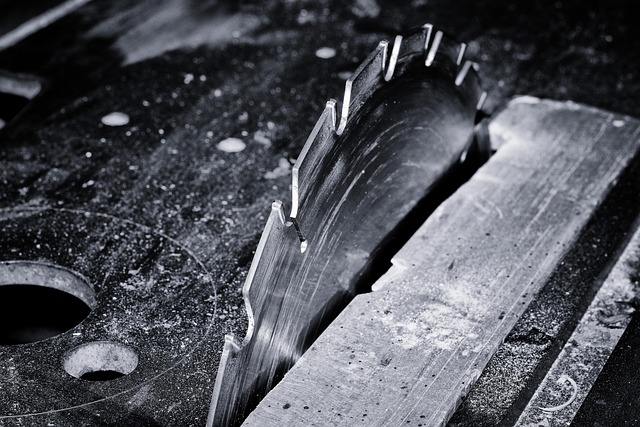
Composition and Material Engineering
Standard wood sawzall blades typically use high‑carbon steel or bi‑metal compositions. These materials balance flexibility with moderate edge retention but degrade quickly under heat or when encountering metal fasteners. In contrast, Milwaukee’s Ax Nitrus Carbide integrates tungsten carbide grains fused to a hardened steel body. The carbide’s microstructure resists wear at temperatures exceeding 1000°C, maintaining edge integrity where conventional steel would soften.
Carbide grain uniformity also plays a role in performance. Fine‑grained carbides distribute stress more evenly along the tooth edge, minimizing micro‑fractures during impact cuts. The bonding process differs as well: traditional blades rely on electron beam welding to fuse dissimilar metals, while carbide variants use brazing or sintering under vacuum conditions to anchor each tooth securely. This metallurgical approach enhances both rigidity and longevity.
Blade Geometry and Tooth Design
Tooth geometry defines how a blade interacts with material fibers. Standard wood sawzall blades feature large gullets with coarse tooth pitches—typically 5 to 8 TPI—to clear chips rapidly in softwoods. The Ax Nitrus Carbide adopts a variable TPI pattern that transitions between aggressive rake angles for fast starts and finer spacing for smoother finishes.
The deeper gullets of carbide designs improve chip evacuation during plunge cuts, reducing clogging even in resinous woods. Meanwhile, the negative rake angle used by Milwaukee enhances control by moderating feed pressure, preventing over‑bite that can stall reciprocating saws under load. Variable TPI configurations allow consistent performance across plywood, OSB, or reclaimed timbers of differing densities.
Performance Evaluation in Real-World Cutting Applications
Laboratory data only tell part of the story; real jobsite conditions reveal how these blades truly behave when subjected to repetitive stress and mixed materials.
Durability Under Continuous Load
When used on pressure‑treated lumber or nail‑laden beams, standard bi‑metal blades dull rapidly after just a few cuts. Carbide‑tipped edges maintain sharpness up to 50 times longer under identical conditions due to their resistance to abrasion from embedded metals. Contractors report that vibration remains lower throughout extended sessions since tooth deformation is minimal.
The stability advantage becomes evident during demolition work where side loading is common. The thicker spine of the Ax Nitrus Carbide minimizes flexing, which translates into straighter cuts and reduced operator strain.
Cutting Efficiency and Speed Metrics
In controlled tests using identical reciprocating saws at constant stroke rates, carbide blades cut through 2×4 pine nearly twice as fast as standard wood sawzall blades after five continuous cycles. Energy transfer efficiency improves because sharper teeth require less feed force per stroke.
Operators also experience reduced fatigue since fewer passes are needed to complete cuts. This efficiency matters most when working overhead or in confined spaces where precision and endurance intersect.
Cost-to-Benefit Analysis for Professional Users
Evaluating blade value extends beyond purchase price; it involves life cycle cost per cut and downtime savings during projects.
Initial Investment vs Long-Term Value
A typical pack of standard wood sawzall blades may cost one‑fifth of an Ax Nitrus Carbide unit. However, if a contractor replaces five conventional blades for every single carbide one used, the economics shift quickly. Over large demolition jobs involving hundreds of cuts through mixed materials, total expenditure favors the carbide option despite higher initial outlay.
For occasional users cutting clean lumber infrequently, standard blades remain cost‑effective due to lower utilization rates.
Maintenance and Replacement Cycles
Sharpening standard reciprocating saw blades is impractical; once dull, they are discarded. Carbide variants extend replacement intervals dramatically—often lasting weeks instead of days on active sites. Consistent cutting performance reduces tool downtime and keeps crews productive without frequent blade swaps.
Specialized Use Cases Where Milwaukee Ax Nitrus Carbide Excels
Certain scenarios amplify the advantages of carbide technology beyond routine woodworking tasks.
Mixed-Material Demolition Scenarios
During tear‑outs involving old framing or decking with hidden nails or screws, conventional wood sawzall blades often fail mid‑cut. The Ax Nitrus Carbide endures these impacts without significant chipping thanks to its reinforced tooth tips. Fewer blade changes mean less interruption during time‑sensitive demolition phases.
Heavy-Duty Industrial Applications
Industrial framing removal or pallet reclamation demands both aggressiveness and control. The Ax Nitrus Carbide’s thick kerf stabilizes against lateral forces generated by high‑powered reciprocating saws running above 3000 SPM (strokes per minute). Its compatibility with torque‑rich cordless models ensures consistent output even under heavy loads typical in commercial environments.
Technical Considerations for Optimal Blade Selection
Choosing the right blade involves matching mechanical properties with tool capabilities rather than relying solely on brand preference.
Matching Blade Type to Material Density and Saw Power Output
For softwoods like pine or cedar, 5–8 TPI configurations suffice using either bi‑metal or carbide variants. Denser hardwoods benefit from finer 10–12 TPI setups that maintain smoother engagement without burning surfaces. Saw stroke length also influences choice: longer strokes pair better with coarser teeth since chip clearance improves per cycle.
High RPM tools require stiffer spines to prevent whip; thus carbide models align well with professional-grade reciprocating saws offering greater torque delivery.
Safety, Precision, and Operator Control Factors
Aggressive tooth geometry can induce kickback if feed pressure exceeds optimal levels. Milwaukee’s variable pitch mitigates this by balancing bite depth across strokes. Reduced vibration not only enhances comfort but lowers risk of repetitive strain injuries during prolonged operation—a subtle yet valuable ergonomic benefit often overlooked until fatigue sets in mid-shift.
Market Positioning and Brand Engineering Perspective of Milwaukee Ax Nitrus Carbide Series
Milwaukee positions its Ax Nitrus line as a premium solution bridging woodworking precision with demolition toughness—a claim supported by engineering choices rarely seen at this scale of production.
Innovation in Blade Manufacturing Technology
The proprietary fusion process bonds tungsten carbide particles directly into a matrix designed for impact absorption rather than mere abrasion resistance. Heat treatment protocols relieve internal stresses post-braze, preventing microcracks that could propagate under vibration cycles exceeding millions of strokes over service life.
This manufacturing precision yields predictable wear patterns—a key factor for professionals who rely on consistent cut quality across projects spanning months rather than days.
Competitive Landscape Comparison
Compared with other high-performance brands such as Diablo’s Demo Demon or Lenox’s Gold Power Blast lines, Milwaukee’s focus leans toward structural resilience over raw aggressiveness. Field feedback from trade users highlights fewer breakages under torsional twist conditions common in angled plunge cuts through joists or studs reinforced with hardware connectors.
Professionals perceive Milwaukee’s reliability as stemming from both metallurgy consistency and rigorous batch testing standards aligned with ISO quality frameworks rather than marketing claims alone.
FAQ
Q1: Are Milwaukee Ax Nitrus Carbide blades compatible with all reciprocating saws?
A: Yes, they fit any standard Sawzall-type mount used across major tool brands including corded and cordless models within typical stroke ranges.
Q2: Do these blades cut metal effectively?
A: They handle incidental metal contact like nails or screws embedded in wood but are not optimized for continuous metal cutting applications such as conduit or rebar slicing.
Q3: How long does one blade typically last?
A: In mixed-material demolition work, users report service lives up to 30–50 times longer than conventional bi-metal equivalents depending on material hardness and technique consistency.
Q4: Can these be sharpened once dull?
A: No practical sharpening method exists due to brazed carbide tips; replacement remains more efficient economically than regrinding attempts which risk altering tooth geometry balance.
Q5: What safety gear should be worn when using them?
A: Always wear ANSI-rated eye protection, gloves resistant to vibration transmission, hearing protection for extended sessions, and ensure proper clamping of workpieces before initiating cuts to minimize kickback potential.


