
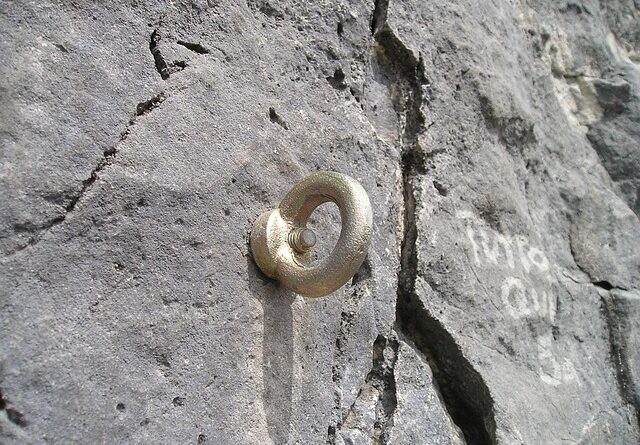
What Makes Eye Bolts Essential in the Eye Wash Kit 195PCS Silver Eye Screws Assortment Kit
Fatal Kalymnos Fall Highlights Dangers of Aging Bolts and Limited Rescue Resources
The fatal accident on Kalymnos has reignited debate about the safety of aging anchor bolts in high-traffic climbing areas. Early findings point to bolt failure, raising questions about inspection frequency, corrosion resistance, and rescue readiness. For an island that hosts thousands of climbers each year, the tragedy exposes how environmental stress and limited local resources can converge into a systemic safety issue. The event is not isolated—it reflects broader global challenges in maintaining fixed protection in marine environments where salt, humidity, and time test even certified hardware.
Understanding the Kalymnos Incident and Its Broader Implications?
The Kalymnos fall has become a focal point for evaluating both technical and operational weaknesses in climbing infrastructure. It has prompted renewed scrutiny of how anchors are installed, maintained, and replaced under harsh coastal conditions.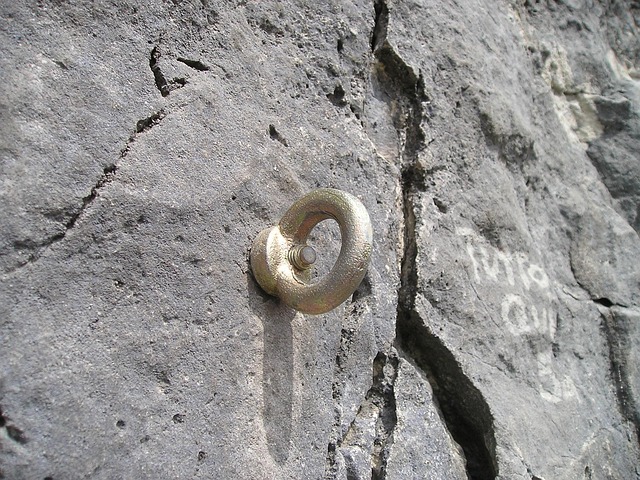
Overview of the Fatal Fall and Immediate Findings
The incident occurred on a well-established sport route near one of Kalymnos’s popular crags. Witness reports described a sudden failure during lowering, with investigators later focusing on the anchor bolts as a likely cause. Initial assessments suggested that corrosion or improper installation might have compromised one or more bolts. The tragedy emphasized the importance of verifying the structural integrity of fixed protection even on routes considered safe by reputation.
Why Kalymnos Serves as a Critical Case for Bolt Safety Analysis
Kalymnos is globally recognized for its dense network of bolted routes across limestone cliffs exposed to sea air. Thousands of ascents per season subject these anchors to repeated loading cycles while salt-laden moisture accelerates metal degradation. This combination makes the island a living laboratory for studying how environmental exposure affects long-term hardware reliability. The fatality underlines ongoing challenges in coordinating systematic inspections across hundreds of sectors maintained largely by volunteers rather than formal agencies.
The Role of Anchor Bolts in Climbing Safety Systems?
Anchor bolts form the backbone of sport climbing safety systems, transferring dynamic loads into rock through mechanical or adhesive bonds. Their performance depends on design geometry, installation quality, and environmental compatibility.
Mechanical Function and Load Distribution Principles
An anchor bolt’s primary job is to bear load without displacement under both static and dynamic forces. When placed correctly, it spreads tension through the rock matrix rather than concentrating stress at a single point. Misalignment or poor rock quality can create shear forces that exceed material limits during falls or repeated use. Over time, even small imperfections can propagate micro-cracks that reduce holding strength.
Materials, Manufacturing Standards, and Installation Variables
Manufacturers typically produce anchors from stainless steel grades like AISI 304 or 316L for corrosion resistance, though titanium is increasingly used in marine zones. Plated steel remains common but deteriorates faster near saltwater exposure. Installation factors—hole depth, cleaning method, curing time for resin anchors—strongly influence long-term reliability. International standards such as EN 959 define minimum tensile and shear strength values for permanent anchors used in mountaineering to provide consistent safety baselines across regions.
Aging Mechanisms Affecting Anchor Bolt Integrity?
Hardware degradation on coastal cliffs often progresses invisibly until catastrophic failure occurs. Understanding these mechanisms helps prioritize preventive replacement over reactive repair after accidents.
Corrosion Processes in Marine Environments
In coastal settings like Kalymnos, chloride ions from sea spray penetrate protective oxide layers on stainless steel surfaces, initiating pitting corrosion beneath visible areas. Glue-in anchors may conceal deeper corrosion within sealed cavities where moisture accumulates unnoticed. Fluctuating humidity levels and temperature swings accelerate electrochemical reactions that weaken metal bonds over years of exposure.
Metal Fatigue and Microstructural Degradation Over Time
Repeated loading from falls or rope movement induces cyclic stress that eventually forms microscopic cracks at high-stress points such as threads or bends. These cracks grow with each cycle until they reach critical size under normal climbing loads. Metallurgical fatigue reduces both ductility and ultimate tensile strength—a process worsened by concurrent corrosion known as corrosion fatigue.
Inspection, Maintenance, and Replacement Protocols for Bolts?
Routine monitoring programs are essential yet often inconsistently applied due to resource constraints or lack of standardized procedures among local communities maintaining routes.
Recommended Inspection Intervals and Techniques
Visual checks remain the most common method but cannot detect internal corrosion or adhesive bond weakness. Non-destructive testing tools like ultrasonic or eddy-current devices provide deeper insight into hidden defects though they require specialized training and equipment rarely available to volunteers. Bolts showing rust streaks, loose hangers, or movement under load should be retired immediately. Keeping detailed maintenance logs helps track installation dates and materials used for each route sector.
Modern Replacement Strategies and Material Upgrades
Following several documented failures worldwide, rebolting initiatives now favor titanium glue-ins or duplex stainless systems rated for marine use. These materials offer superior resistance against chloride attack compared with conventional stainless grades. Resin formulations optimized for wet environments also improve adhesion longevity. Collaboration between local climbing associations, tourism authorities, and manufacturers enables coordinated upgrades rather than piecemeal fixes after incidents.
Rescue Operations and Resource Constraints in Remote Climbing Areas?
Beyond hardware integrity lies another critical dimension: emergency response capacity when accidents occur far from accessible terrain.
Challenges Faced During Emergency Response on Kalymnos Terrain
Kalymnos’s steep limestone formations make rescue operations logistically complex even with experienced teams. Many crags require rope access from above or boat transport below—both time-consuming approaches when minutes matter after severe trauma. The island relies heavily on volunteer rescuers supported by limited professional infrastructure; this dependence creates variability in readiness depending on personnel availability at any given moment.
Strengthening Local Rescue Capabilities Through Training and Equipment Investment
Building resilient rescue networks demands structured training programs aligned with international mountain rescue standards such as those promoted by ICAR (International Commission for Alpine Rescue). Equipping teams with lightweight stretchers, aerial drone support for reconnaissance, and reliable communication links shortens response times significantly. Partnerships between tourism boards and national emergency services can establish permanent funding channels for continuous skill development rather than ad-hoc donations after tragedies.
Advancing Safety Culture Through Data Sharing and Preventive Practices?
Preventing future fatalities requires more than better materials—it calls for transparent data exchange among climbers, developers, and equipment producers worldwide.
Establishing Centralized Databases for Bolt Condition Monitoring
A shared digital registry documenting bolt type, installation date, inspection results, and replacement history would allow route maintainers to identify high-risk zones before failures occur. Open-access platforms could integrate geotagged photos submitted by climbers during routine visits to update records dynamically without heavy administrative overhead.
Promoting Education on Long-Term Hardware Management Among Climbers
Safety culture grows when users themselves recognize warning signs of aging hardware: discoloration near bolt heads, movement under body weight tests, or visible cracking around resin edges. Workshops organized during climbing festivals can teach practical evaluation skills alongside responsible reporting habits using mobile mapping tools that flag suspect anchors directly on route databases.
FAQ
Q1: What caused the fatal fall on Kalymnos?
A: Preliminary investigations pointed toward anchor bolt failure likely accelerated by corrosion within a marine environment exposed to salt spray over many years without replacement.
Q2: How often should bolts be inspected?
A: In high-traffic coastal crags, annual visual checks combined with periodic non-destructive testing every few years are advisable depending on material type and environmental exposure level.
Q3: Why are titanium bolts preferred near the sea?
A: Titanium resists chloride-induced pitting far better than standard stainless steel alloys due to its stable passive oxide layer that remains intact even under prolonged salt exposure.
Q4: What limits rescue efficiency on islands like Kalymnos?
A: Terrain steepness, limited road access to remote sectors, reliance on volunteer responders, and absence of full-time helicopter units all delay extraction times during emergencies.
Q5: How can climbers contribute to safer routes?
A: By reporting damaged hardware through community databases, participating in rebolting projects financially or physically when possible, and staying informed about proper anchor evaluation techniques before committing to climbs.


