
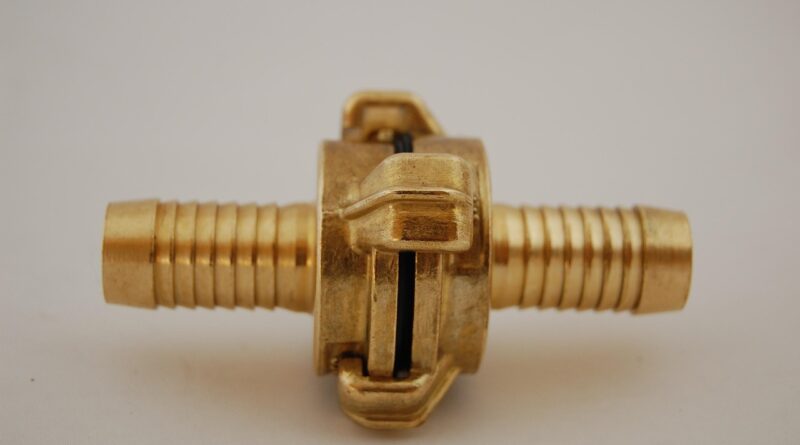
Tylok fittings & valves for instrumentation systems and process lines
What buyers need to know first
Tylok fittings & valves are commonly specified for instrumentation tubing, process sampling, analyzer panels, test stands and OEM equipment where small-bore connections must seal under pressure and remain serviceable. The key decision is not the brand name alone. Buyers need to match the fitting style, valve function, material, pressure rating, temperature range and tube preparation method to the actual line conditions.
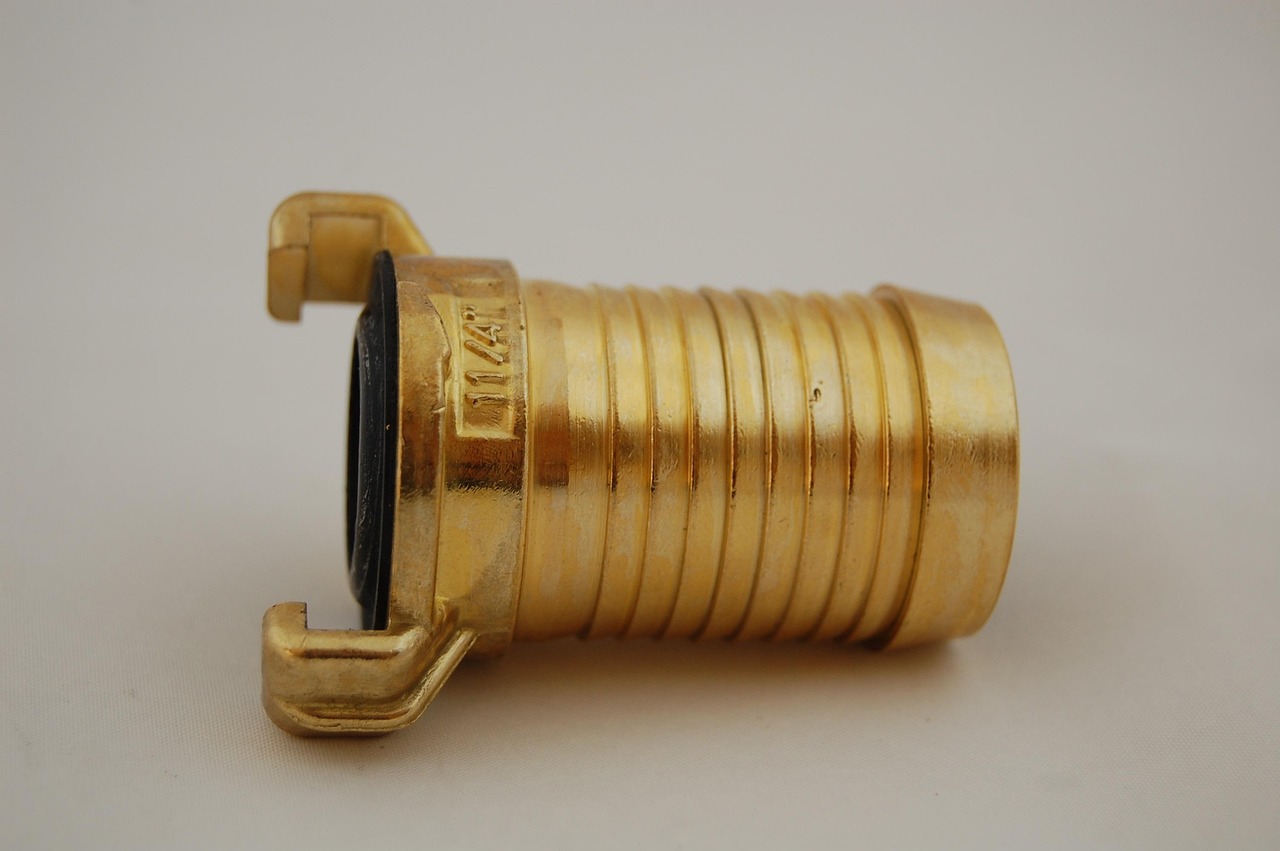
Tylok product literature organizes the range around CBC-Lok and CS-Lok tube fittings, instrumentation pipe fittings, ball valves, needle valves, plug valves, check valves, quick connects, hose connectors, gauges and related accessories. This guide explains how those categories fit together, which catalog data should be checked before specification, and where selection errors most often occur.
Where Tylok products fit in an instrumentation system
Instrumentation systems usually use smaller tube and pipe connections than main process piping, but a poor connection can still create serious operating and safety issues. A fitting may need to hold pressure, resist vibration, tolerate temperature changes, avoid chemical attack and still allow maintenance access inside a crowded panel or skid. A valve may be used to isolate an instrument, meter flow, prevent reverse flow or provide a shut-off point during service.
Tylok’s published product range is aimed at these small-bore fluid control applications rather than large-bore commodity piping. Its tube fitting pages describe dual-ferrule compression fittings for leak-tight tube connections when installed correctly. Its pipe fitting catalog covers threaded instrumentation pipe fittings, including NPT connections. Its valve pages separate on-off, metering and reverse-flow prevention duties across ball valves, needle valves, plug valves and check valves.
For specifiers, the practical advantage is that fittings and valves can be reviewed as a system rather than as isolated components. A pressure gauge connection, for example, may include tubing, a tube fitting, a pipe adapter, an isolation valve and sometimes a bleed or check function. If one component is rated below the others, that component defines the safe design envelope.
Fitting families and the checks behind them
Tylok’s tube fitting range is commonly associated with CBC-Lok and CS-Lok compression fittings. The manufacturer describes these fittings as using ferrules tightened by the nut to grip the tubing and create a seal. In practical terms, tubing condition, full insertion, alignment and installation technique matter as much as the fitting body itself.
Material choice is one of the first checks. Tylok product literature lists stainless steel, brass and carbon steel across fitting categories, but the correct material depends on the media, external environment, temperature, corrosion allowance and plant standards. Stainless steel is often selected for corrosion resistance and broader temperature capability. Brass or carbon steel may be suitable in less aggressive service when they are compatible with the fluid and surrounding environment.
Threaded pipe fittings require a separate review. Tylok’s instrumentation pipe fitting catalog states that pipe threads are manufactured to meet or exceed ANSI B1.20.1 requirements and references applicable ASTM or ASME material specifications. It also notes that catalog pressure charts are guides and may vary with sealants, temperature, corrosion factors and other design conditions. That warning matters: a catalog rating should not be treated as a standalone engineering approval.
The same catalog notes that when fittings have different end connection styles, the lowest pressure rating should be used. This simple rule prevents a common mistake. A high-rated tube end does not make a lower-rated threaded end stronger, and a valve body rating does not automatically cover a weaker adapter, seal or tube wall.
Valve options should be selected by function
Valve selection becomes clearer when the question changes from “Which series should I buy?” to “What function must this valve perform?” Tylok’s published valve range includes ball valves, needle valves, plug valves and check valves, each intended for a different role.
| Product category | Main function | Catalog points to verify | Typical selection risk |
|---|---|---|---|
| Ball valves | Quarter-turn isolation | Series, pressure rating, end connections, seat material and temperature range | Using an on-off valve where throttling control is needed |
| Needle valves | Flow regulation and controlled shut-off | Bonnet design, pressure rating, stem behavior and media compatibility | Expecting fast isolation from a valve designed for gradual adjustment |
| Plug valves | Compact quarter-turn shut-off | Pressure rating, vented option, body material and connection style | Overlooking whether a vent or bleed function is required |
| Check valves | One-way flow and backflow prevention | Cracking pressure, seal material, pressure-temperature rating and flow coefficient | Selecting the wrong cracking pressure for low-flow systems |
Tylok’s GP Series ball valves are described as general-purpose isolation valves rated to 2,000 psi, while HP Series ball valves are listed for higher-pressure on-off service up to 6,000 psi. Its 40 Series ball valve literature lists a pressure rating up to 3,000 psig. These values are useful starting points, but final selection still depends on end connection, temperature and media compatibility.
Needle valves belong in a different category. Tylok’s integral bonnet needle valves are described for regulation in instrument air lines, instrumentation panels, test stands and analytical systems, with a 5,000 psi rating. Screwed bonnet needle valve literature lists service up to 10,000 psi. The distinction matters because a needle valve is selected for gradual control, not simply for quick shut-off.
Check valves require close attention to operating conditions. Tylok’s CH Series check valves are listed in stainless steel with fluorocarbon FKM seals, maximum working pressure up to 6,000 psig and cracking pressure options including 1/3, 1, 5, 10 and 25 psi. A very low cracking pressure may be useful where only a small differential is available. A higher cracking pressure may be needed to avoid nuisance opening. The correct choice depends on actual flow, pressure differential and system purpose.
Pressure and temperature ratings are not single numbers
A common specification error is treating the largest printed pressure value as the complete answer. Catalog values are conditional. Pressure capability can change with temperature, tube wall thickness, material, end connection, seal material and corrosion exposure.
Tylok’s pipe fitting catalog gives a useful example of temperature derating. For 316 stainless steel tubing at elevated temperature, the catalog applies derating factors rather than using the ambient pressure value unchanged. In one published example, a 1/4-inch outside diameter 316 stainless steel tube with 0.049-inch wall has an ambient working pressure of 7,500 psi, but at 800°F the derating factor of 0.79 reduces the suggested allowable working pressure to 5,925 psig. The broader lesson is that pressure and temperature should be reviewed together.
Temperature ranges also differ by material and product family. Tylok instrumentation pipe fitting literature lists wide temperature capability for 316 stainless steel, but lower limits for brass and steel. Valve limits may be governed by seats, seals, packing or elastomers rather than by the metal body alone. For check valves, the seal material is part of the pressure-temperature review.
In engineering practice, the safer approach is to document the maximum operating pressure, maximum and minimum temperature, fluid, external atmosphere, tube size, tube wall, connection type and cleaning requirements before choosing a part number. If those inputs are incomplete, a part may look correct in a catalog table while still being unsuitable for the installation. See also: Bolts & Fasteners.
A practical selection checklist
Before specifying Tylok fittings & valves, use the following checklist to turn product categories into a defensible selection:
- Define the service. Identify whether the line carries gas, liquid, steam, instrument air, hydraulic fluid, sampling media or another process fluid.
- Confirm pressure and temperature together. Use the rating for the actual material, end connection and temperature, not only the highest catalog value for the product family.
- Match the function. Use ball or plug valves for on-off isolation, needle valves for regulation and check valves for reverse-flow prevention.
- Check tube and fitting compatibility. Tube outside diameter, wall thickness, hardness, surface condition and preparation all affect compression fitting performance.
- Review seal and seat materials. PTFE, FKM and other materials behave differently with heat, chemicals and cycling.
- Use the lowest-rated component. When a line combines tube fittings, pipe threads, valves, adapters and gauges, the limiting component sets the system boundary.
- Plan for maintenance access. Handle clearance, panel mounting, packing adjustment and replacement access can determine whether a valve that is correct on paper will work in the field.
This checklist is especially relevant for OEM skids and analyzer panels, where space is limited and many small components are assembled close together. A compact valve may solve a layout problem, but only if it still meets pressure, temperature and service requirements.
Common mistakes to avoid
The first mistake is mixing product categories without recognizing their different purposes. A tube fitting, pipe fitting and valve may share a nominal size, but they are not interchangeable from a design standpoint. Each has its own rating logic and installation requirements.
The second mistake is ignoring the tube. Compression fittings depend on suitable tubing. Damaged tube ends, poor cuts, scratches, incorrect wall thickness or incompatible hardness can compromise sealing even when the fitting itself is correctly manufactured.
The third mistake is selecting a valve by pressure rating alone. A high-pressure ball valve may be inappropriate for fine flow control, while a needle valve may be too slow for an operator who needs rapid quarter-turn isolation. Similarly, a check valve with the wrong cracking pressure can create operating problems in low-pressure or intermittent-flow systems.
The fourth mistake is forgetting temperature derating. Elevated temperature can reduce allowable pressure, and soft components may limit service before the metal body reaches its own limit. Catalog tables, seal materials and application notes should be read together.
The fifth mistake is assuming catalog claims replace project standards. Plant specifications, code requirements, material traceability, testing requirements and safety reviews may impose additional limits. Manufacturer catalogs are essential references, but they do not replace engineering approval for a specific service.
Frequently asked questions
Are Tylok fittings & valves only for instrumentation systems?
No. Tylok literature emphasizes instrumentation, process industries, OEM equipment, panels, test stands and related industrial uses. The products are most often discussed in small-bore fluid control contexts, but final suitability depends on the exact service conditions.
What is the difference between a ball valve and a needle valve?
A ball valve is generally used for quick quarter-turn isolation. A needle valve is designed for more gradual flow control and controlled shut-off. The choice should be based on function, not only on pressure rating.
Why does cracking pressure matter for check valves?
Cracking pressure is the inlet pressure differential needed to start opening the check valve. If it is too high, flow may not start when expected. If it is too low, the valve may open too easily for the intended system behavior.
Can one catalog pressure rating be used for the whole assembly?
No. The safe rating of an assembly is limited by the lowest-rated component and by operating conditions such as temperature, media, tubing and connection type. Tylok literature also cautions that ratings can vary with sealants, corrosion factors and other design variables.
Specification takeaway
Tylok fittings & valves cover a broad set of instrumentation connection and flow-control needs, but a strong specification starts with application data rather than with a brand name alone. Define the service conditions first, then choose the fitting family, valve function, material, end connection and rating. Use manufacturer catalog data carefully, apply derating where required and treat the lowest-rated component as the controlling limit.
For more related industry coverage, visit the Fittings & Valves section on irontheexpert.


