
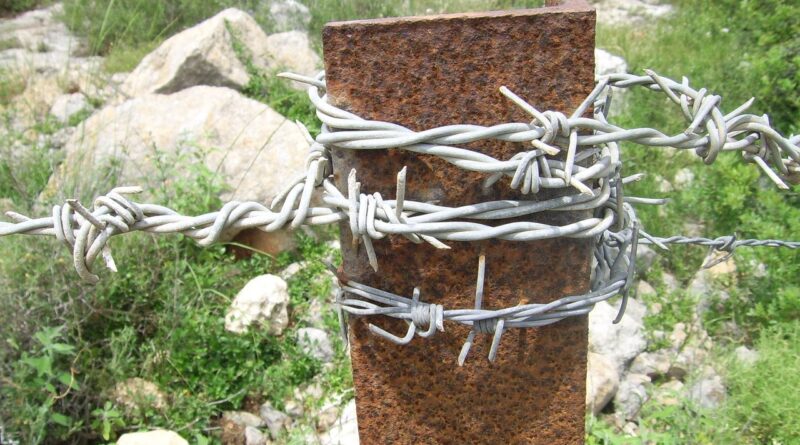
Galvanizing corrosion explained for steel surfaces
Why galvanizing corrosion is different from ordinary rust
Galvanizing corrosion is not the same as bare steel rusting. On a galvanized surface, the zinc coating is intended to corrode first. It protects the steel underneath through barrier protection, galvanic action, and the development of a weathered zinc patina. For that reason, a galvanized part may become dull gray, show white zinc corrosion products, or have localized coating wear without immediately becoming a structural rust problem.
The practical question is not whether zinc reacts with the environment. It does. The question is whether enough zinc remains to protect the steel under the actual exposure conditions.
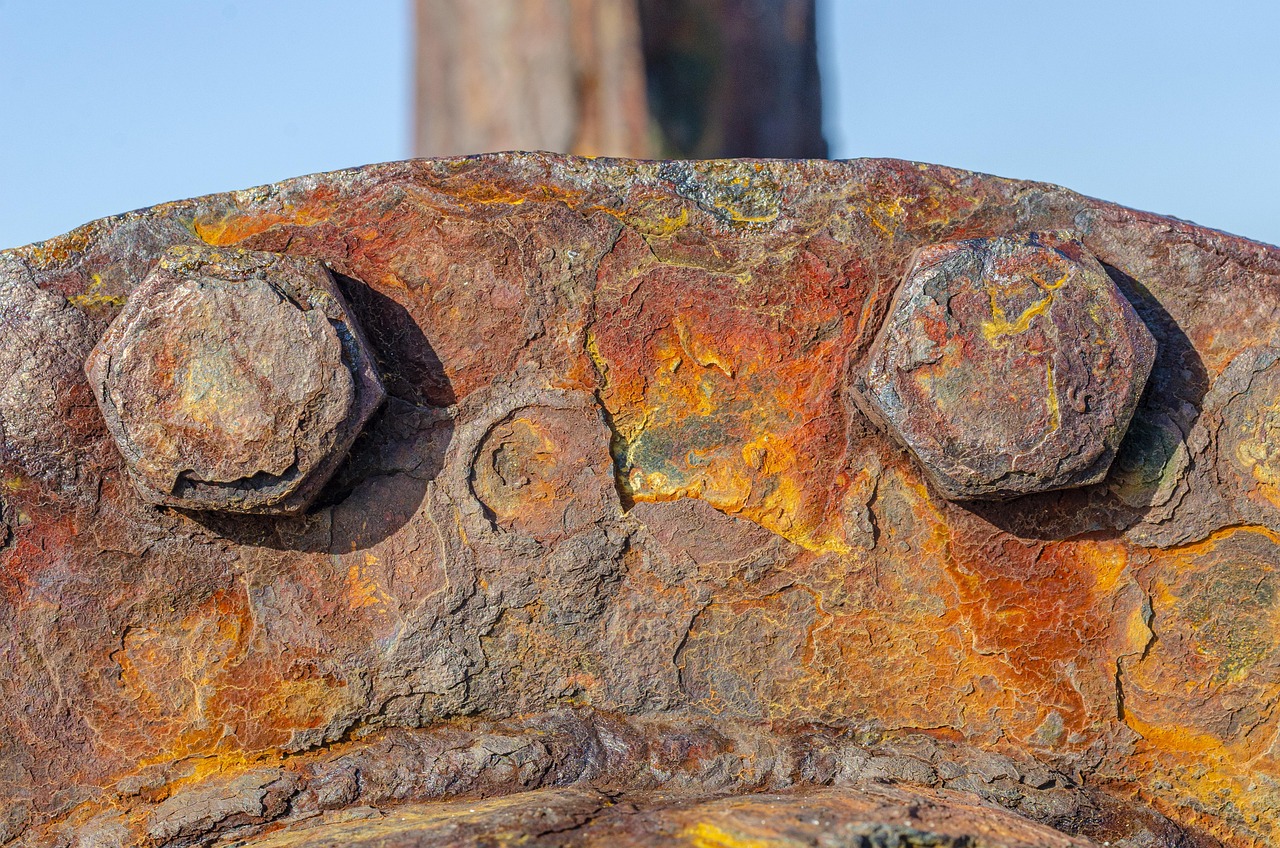
For readers comparing materials, coatings, or maintenance plans in the Metals & Surfaces category, galvanized steel is best evaluated by coating type, coating thickness, exposure environment, drainage, storage conditions, contact metals, and the inspection standard used for acceptance.
How galvanizing protects steel from corrosion
Hot-dip galvanizing protects steel by immersing cleaned steel in molten zinc, which forms a zinc-based coating bonded to the steel surface. Standards such as ASTM A123/A123M and ISO 1461 are commonly used to specify hot-dip galvanized coatings on fabricated iron and steel articles. Requirements vary by product form and jurisdiction, but these standards generally address coating coverage, coating thickness, appearance, and test methods.
The corrosion performance of galvanizing comes from three related mechanisms:
- Barrier protection: The zinc coating separates steel from oxygen, water, and corrosive contaminants.
- Galvanic or sacrificial protection: Zinc is anodic to steel, so it preferentially corrodes when both metals are electrically connected in the presence of an electrolyte.
- Patina formation: In normal atmospheric exposure, zinc reacts over time to form relatively stable corrosion products that slow further attack.
This combination makes galvanizing different from a simple paint film. If a paint-only coating is scratched down to bare steel, corrosion can start at the exposed point and may spread under the coating. With zinc-coated steel, small exposed areas can still receive sacrificial protection from nearby zinc, as long as the damaged area is not too large and the environment is not too aggressive.
What the zinc patina means for long-term performance
Freshly galvanized steel is often bright, shiny, or spangled. Its appearance changes as the zinc reacts with air and moisture, and the surface usually becomes matte gray. This change is not automatically a defect. In many atmospheric environments, it is part of the normal weathering process that helps zinc-coated steel resist corrosion.
The protective patina is often described as a zinc carbonate-rich layer formed through reactions involving zinc, oxygen, moisture, and carbon dioxide. It does not form instantly. Newly galvanized steel can be more vulnerable to staining if water is trapped against the surface before the patina develops. Once the surface has weathered in freely circulating air, the patina generally slows the zinc corrosion rate.
Handling and early storage therefore matter. Two galvanized panels stacked tightly outdoors, with rainwater trapped between them, may develop white deposits even though the same panels would perform normally if separated, drained, and ventilated. Galvanizing corrosion is not only a material issue; it is also a design, storage, and exposure issue.
Common forms of corrosion on galvanized steel
Galvanized steel can show several surface conditions. Some are mainly cosmetic, while others indicate coating loss or exposure of the base steel. Correct identification helps avoid both unnecessary rejection and missed maintenance.
| Observed condition | Likely meaning | Typical concern level |
|---|---|---|
| Dull gray surface | Normal weathering and patina formation | Usually low |
| Light white powder | Zinc corrosion products, often called white rust or wet storage stain | Low to moderate, depending on zinc loss |
| Heavy white buildup with pitting | Accelerated zinc consumption from trapped moisture or aggressive exposure | Moderate to high |
| Red-brown rust spots | Steel is exposed locally, or iron contamination is present | Needs inspection |
| Rust at cut edges, welds, holes, or damaged areas | Coating discontinuity, field damage, or inadequate repair | Depends on size, location, and exposure |
White rust and wet storage stain
White rust is a common concern because it can look severe even when the underlying steel is still protected. It usually forms when newly galvanized surfaces stay wet and have little air circulation. Closely nested parts, bundled tube, tight sheet stacks, and poorly drained packaging can create these conditions.
Light white staining is often superficial. Heavy white deposits, especially where the zinc surface has been consumed or where red rust appears, call for closer inspection. The practical issue is whether the zinc coating still meets the required thickness and coverage for the intended service.
Red rust on galvanized steel
Red rust means iron or steel is corroding. On galvanized surfaces, it can come from true exposure of the base steel, mechanical damage, uncoated areas, weld areas that were not repaired correctly, or embedded iron particles from handling and fabrication. Red rust should not be treated as normal zinc weathering.
A small isolated rust mark, however, does not automatically mean the entire galvanized article has failed. Inspection should determine whether the rust is from surface contamination, a local coating defect, or widespread depletion of the zinc layer.
Exposure conditions that accelerate galvanizing corrosion
The service life of a galvanized coating depends strongly on the environment. In general, thicker zinc coatings last longer because more zinc is available to be consumed before the steel is exposed. ISO 14713 guidance describes zinc coating life as approximately proportional to coating thickness under a given atmospheric exposure, while also recognizing that local conditions can change actual performance.
Atmospheric environments differ by moisture, salt, sulfur compounds, industrial pollutants, temperature cycles, and time of wetness. A dry indoor surface may consume zinc very slowly. A marine railing exposed to salt spray and frequent wetting can consume zinc much faster. An industrial site with acidic or sulfur-containing deposits can also shorten coating life.
- Marine exposure: Chlorides from seawater increase electrolyte conductivity and can accelerate zinc loss.
- Industrial exposure: Pollutants can create more corrosive surface films, especially when combined with moisture.
- Poor drainage: Standing water prevents normal drying and concentrates contaminants.
- Soil or concrete contact: Buried or embedded conditions vary widely and should not be treated the same as open-air exposure.
- Crevices and overlaps: Tight gaps trap moisture and slow oxygen exchange, creating local corrosion cells.
This is why a simple claim such as “galvanized steel lasts for decades” is incomplete. It may be true in many atmospheric applications, but useful service life should be estimated from coating thickness, exposure category, design details, and the maintenance threshold being used.
Design details that improve galvanized coating life
Good design reduces galvanizing corrosion by helping the zinc surface dry, weather evenly, and avoid unnecessary coating damage. Many premature problems are not caused by zinc itself, but by details that hold water, create crevices, or make full coating coverage difficult. See also: Bolts & Fasteners.
Drainage and ventilation
Outdoor galvanized steel should be detailed so water drains away instead of sitting on horizontal ledges, lap joints, and pockets. Hollow sections require proper venting and drainage for safe and complete hot-dip galvanizing. Poorly designed hollow fabrications can create coating quality problems and safety concerns during immersion.
Avoiding damaging contact conditions
Dissimilar metal contact can create galvanic corrosion if the metals are electrically connected and bridged by moisture. Galvanized steel is often compatible with many common construction materials, but direct contact with more noble metals in wet environments should be reviewed. Isolation washers, sealants, coatings, or design separation may be appropriate where galvanic couples are likely.
Cut edges, welds, and field repairs
Fabrication after galvanizing can remove zinc from cut edges, drilled holes, or welded areas. Those locations need suitable repair if corrosion resistance is expected. ASTM A780/A780M is commonly referenced for repairing damaged and uncoated areas of hot-dip galvanized coatings using zinc-based repair methods. Repair quality matters because a thin or poorly adhered touch-up area can become the weak point in service.
Galvanizing compared with paint and duplex systems
Paint and galvanizing both protect steel, but they work differently. Paint is primarily a barrier system, and its performance depends on surface preparation, coating selection, film thickness, application quality, and maintenance. Hot-dip galvanizing provides both a physical zinc barrier and sacrificial protection.
In some applications, the two systems are combined. A duplex system uses paint or powder coating over galvanized steel. The zinc protects the steel if the topcoat is damaged, while the topcoat slows zinc exposure to the environment and can provide color or appearance control. These systems can be useful in aggressive atmospheres, architectural applications, or projects where both durability and appearance are important.
Other zinc coating methods include electrogalvanizing, mechanical plating, metallizing, zinc-rich coatings, and continuously galvanized sheet. They are not interchangeable. Coating thickness, coating structure, product shape, and intended exposure can differ substantially. For structural fabrications, batch hot-dip galvanizing is often selected because it can provide a relatively thick, continuous coating after fabrication, including many edges and internal surfaces when the article is properly designed.
Inspection and maintenance priorities
Inspection should focus on whether the galvanized coating still provides the intended protection, not only on whether the surface looks new. Aged galvanized steel can look dull and still perform well. Conversely, shiny areas with uncoated edges, deep scratches, or red rust may need action.
A practical inspection checklist includes:
- Confirm the applicable specification, such as ASTM A123/A123M, ISO 1461, or the project-specific coating requirement.
- Check coating continuity on edges, corners, holes, welds, and repaired areas.
- Measure coating thickness where acceptance or remaining life is in question.
- Look for trapped water, blocked drain paths, soil buildup, salt deposits, or chemical exposure.
- Separate cosmetic zinc staining from actual steel corrosion.
- Repair damaged areas with an appropriate zinc-based repair system when required.
Maintenance decisions should be proportional to the condition and service risk. Light staining may call for cleaning and improved storage or drainage. Local damage may require repair. Widespread red rust or significant coating loss may require a more complete rehabilitation plan, such as cleaning, zinc-rich repair, overcoating, or replacement, depending on the component and exposure.
Frequently asked questions
Does galvanized steel rust?
Yes. Galvanized steel can eventually rust if the zinc coating is consumed, damaged, or missing. The purpose of galvanizing is to delay steel corrosion by using zinc as the protective layer. The time before rust appears depends on coating thickness, exposure conditions, design details, and maintenance.
Is white rust a failure of galvanizing?
Not always. Light white rust is usually zinc corrosion product and may be mostly cosmetic if enough zinc remains. Heavy white deposits, pitting, or red rust require inspection because they may indicate meaningful zinc loss or exposed steel.
Why does galvanized steel turn gray?
Galvanized steel turns gray as zinc weathers and forms a protective surface patina. This is a normal change in many atmospheric environments and does not, by itself, mean the coating has failed.
Can galvanized steel be painted?
Yes. Galvanized steel can be painted when surface preparation and coating selection are appropriate. Paint over galvanizing is often called a duplex system and may be used for appearance, color, or added corrosion protection in demanding environments.
What is the most important factor in galvanizing corrosion life?
There is no single factor, but coating thickness and exposure environment are usually central. Design details, drainage, storage, contact with other metals, field repairs, and inspection practices can also have a major effect on real service life.
Key takeaway
Galvanizing corrosion should be understood as a protective process until the zinc coating is depleted or compromised. Zinc corrodes preferentially so the steel does not have to, while the weathered patina slows further attack in many normal atmospheres. The best results come from matching the galvanizing specification to the exposure, designing details that drain and dry, preventing wet storage stain, and inspecting coating thickness and continuity where performance matters.


