
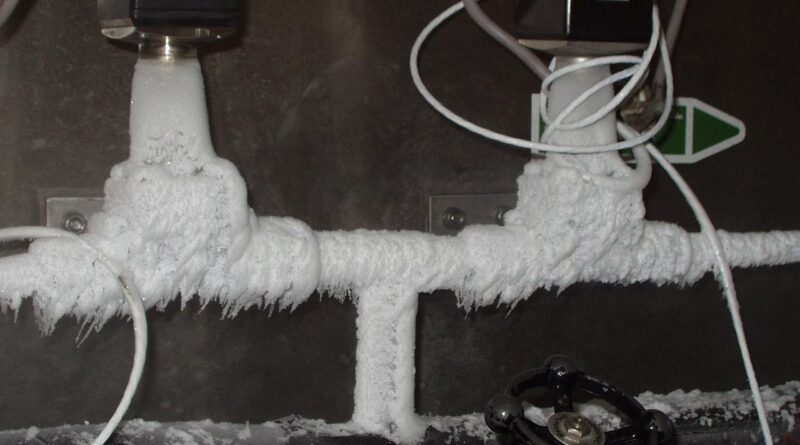
Cryogenic valves for LNG and industrial gas systems
What cryogenic valves must do differently
Cryogenic valves are not standard valves with a stainless steel body. They are designed, built, tested, and installed for fluids that stay extremely cold during storage, transfer, or process operation. In LNG service, for example, U.S. energy agencies describe liquefied natural gas as natural gas cooled to about -260°F, or -162°C. At those temperatures, ordinary elastomers can lose flexibility, some metals can become brittle, trapped liquid can expand dangerously, and stem packing can fail if it remains inside the cold zone.
This guide focuses on practical selection points for engineers, buyers, maintenance teams, and technical readers comparing valve options for LNG, liquid nitrogen, liquid oxygen, liquid argon, liquid hydrogen, and other low-temperature or cryogenic fluids. For related topics, visit our Fittings & Valves section.
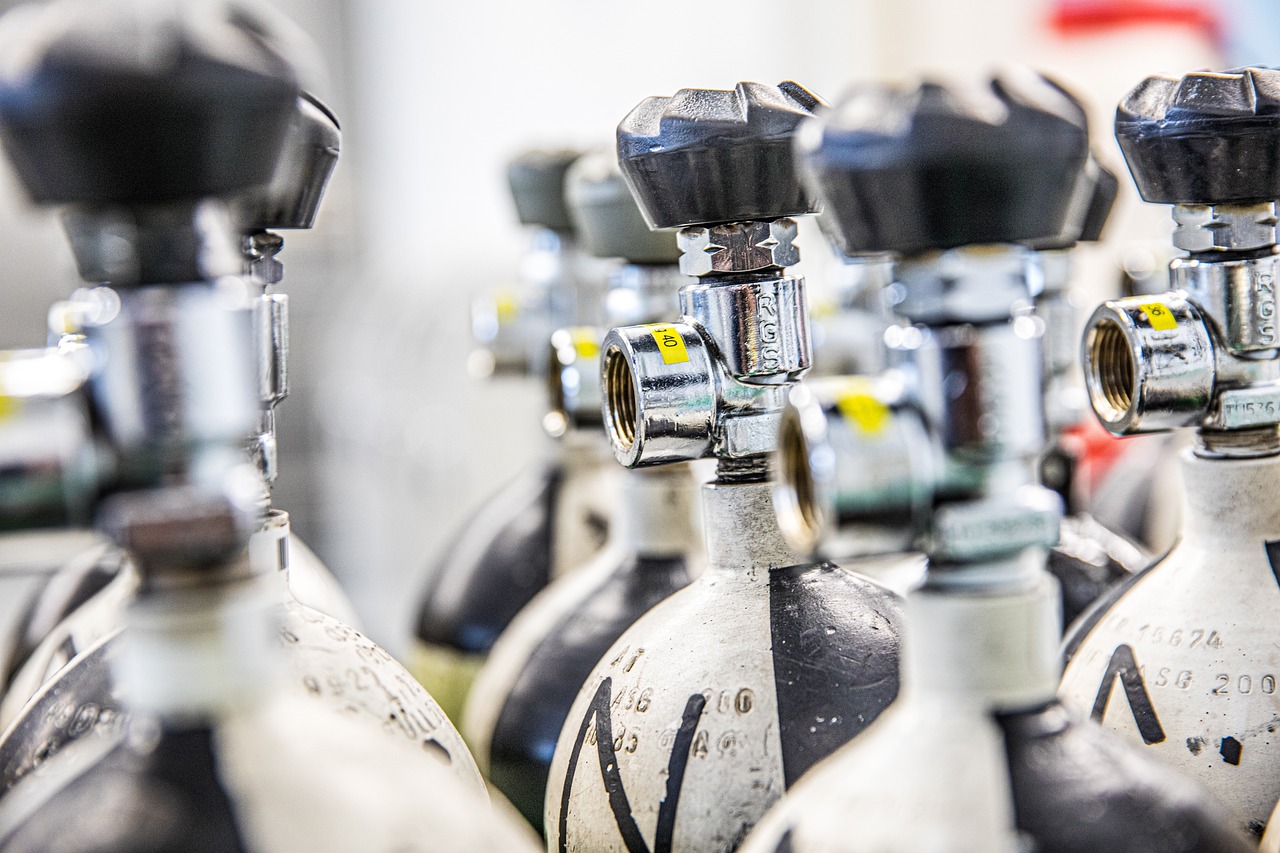
For procurement and engineering review, a suitable cryogenic valve should be specified by service temperature, fluid, pressure class, valve type, body and trim materials, bonnet or stem extension design, leakage requirement, cleaning requirement, and the exact standard or test procedure used to verify performance.
Definitions and standards are not interchangeable
Cryogenic valve specifications often become unclear because different documents use different temperature limits and scopes. A logistics or safety definition of a cryogenic liquid may not match the scope of a valve product standard. In U.S. hazardous materials rules, a cryogenic liquid is generally described as a refrigerated liquefied gas with a boiling point colder than -90°C at 101.3 kPa absolute. NIST safety guidance uses a different practical boundary, describing cryogenic fluids as liquids with normal boiling points below -150°C.
Valve standards are more specific. ISO 28921-1:2022 applies to industrial isolating valves for low-temperature applications from -50°C down to -196°C, covering gate, globe, ball, plug, butterfly, and check valve designs. ISO 21011:2008 applies to valves for cryogenic vessels rated for -40°C and below, including vacuum-jacketed cryogenic valves up to DN 150, and its ISO page notes that the standard was confirmed in 2023 but is marked for revision. MSS SP-134 addresses valves for cryogenic service, including body and bonnet extensions, and defines a cryogenic temperature range from -100°F to -425°F in its published scope material.
Because these documents are not identical, a purchase specification should avoid vague wording such as “cryogenic type valve” unless the applicable design and test basis is also named. A valve may satisfy one project specification and still be incomplete for another if the test temperature, allowable seat leakage, extension length, or cleaning requirement is different.
A practical comparison of common cryogenic valve standards
The table below summarizes how several commonly referenced documents are used. It is not a substitute for the standards themselves, but it shows why buyers should state both the parent valve standard and the cryogenic add-on requirements.
| Reference | Typical role in a specification | Important limitation |
|---|---|---|
| ISO 28921-1:2022 | Design, dimensions, materials, fabrication, and production testing for isolating valves in low and cryogenic temperature applications from -50°C to -196°C. | It does not apply to safety valves, control valves, or cryogenic vessel valves covered by ISO 21011. |
| ISO 21011:2008 | Design, manufacture, and testing of valves for cryogenic vessels rated for -40°C and below, including vacuum-jacketed valves up to DN 150. | It is vessel-focused and excludes pressure relief valves covered by ISO 21013-1. |
| MSS SP-134 | Additional cryogenic requirements for materials, design, fabrication, pressure testing, low-temperature testing, and body or bonnet extensions. | It is intended to work with parent valve standards rather than replace them. |
| BS 6364 | Widely cited for cryogenic valve design and low-temperature testing in LNG and industrial gas projects. | Project specifications may impose tighter leakage limits or additional testing beyond the base standard. |
| ASME B16.34 and API 598 | ASME B16.34 covers pressure-temperature ratings, materials, dimensions, testing, and marking for many metallic valves; API 598 is commonly used for valve inspection and pressure testing. | Ambient pressure testing alone does not prove that a valve will seal and operate correctly at cryogenic temperature. |
Design features that separate cryogenic valves from standard valves
Extended bonnet and gas column
The extended bonnet is one of the most recognizable features of many cryogenic valves. Its purpose is to move the stem packing and operating components away from the lowest-temperature zone. The extension allows a vapor or gas column to form above the liquid, reducing heat transfer into the packing area and helping the packing remain within a workable temperature range.
This feature is especially important for valves handling liquefied gases in insulated pipework, cold boxes, and transfer lines. The required extension length can depend on valve size, pressure class, orientation, insulation thickness, and whether the valve is installed in a cold box or individually insulated. MSS SP-134 specifically addresses body and bonnet extension requirements, which is why it is often referenced when a project needs more than a generic valve standard.
Cavity pressure relief
Cryogenic liquids can warm and expand if they are trapped between closed seats. In a ball valve or plug valve, for example, liquid captured in the body cavity can generate pressure as it vaporizes. The solution may be a self-relieving seat, a pressure relief hole, a vented ball, an external relief arrangement, or another project-approved cavity relief design. The correct option depends on flow direction, isolation philosophy, maintenance practices, and whether bidirectional sealing is required.
This detail is critical because a valve can look correct on a datasheet while still creating an overpressure risk if cavity relief is not addressed. Specifications should state how trapped pressure is relieved and whether the valve is intended for unidirectional or bidirectional service.
Low-temperature sealing surfaces
At cryogenic temperature, seals and seats must tolerate contraction, hardening, and repeated thermal cycling. Soft-seat materials such as PTFE, modified PTFE, PCTFE, or other engineered polymers may be used in selected services, but suitability depends on the fluid, temperature, pressure, oxygen compatibility, and leakage class. Metal-seated designs may be preferred where abrasion, fire exposure, pressure, or temperature cycling makes soft seats unsuitable.
Stem packing needs the same level of review. A valve can pass a shell test and still perform poorly if packing compression changes after cooldown. For this reason, cryogenic testing often checks leakage at the seat and stem area after the valve has reached low temperature and after operating cycles under test conditions.
Material selection must consider toughness, compatibility, and cleanliness
The valve body, bonnet, trim, bolting, packing, seat, and gasket system should be reviewed together. Austenitic stainless steels are common in LNG and industrial gas valves because they maintain toughness at low temperatures better than many carbon steels. Nickel alloys may be selected for demanding services, very low temperatures, corrosion concerns, or project-specific requirements. Carbon steel may be acceptable in some low-temperature ranges only when the material grade, impact toughness, and design code permit it; it should not be assumed suitable for cryogenic service.
Material compatibility is fluid-specific. LNG service has different concerns from liquid oxygen service. Oxygen service can require strict cleaning, noncombustible or oxygen-compatible materials, and control of hydrocarbon contamination. Liquid hydrogen adds another layer of concern because of its very low temperature, small molecule size, flammability, and leakage sensitivity. Nitrogen and argon are inert, but they can displace oxygen in work areas if released, so safety risk is not limited to flammable fluids.
Documentation should match the service risk. Common submittals include material test certificates, low-temperature impact test records where required, pressure test reports, low-temperature leakage test reports, cleaning and drying records, marking verification, and certificates showing compliance with the specified standard. For oxygen service, cleaning documentation is not a formality; it is part of the safety basis. See also: Bolts & Fasteners.
Valve type selection depends on function, not just temperature
No single valve type is best for every cryogenic application. The right choice starts with the function of the line.
- Ball valves are often selected for tight shutoff and fast quarter-turn isolation. In cryogenic service, the seat design, vented cavity arrangement, and stem extension are key details.
- Gate valves can offer low pressure drop in full-open service and are often considered for larger bore isolation, but they are not intended for throttling.
- Globe valves are useful where controlled flow adjustment or more precise manual regulation is needed, though pressure drop is higher than with gate or ball designs.
- Check valves prevent reverse flow, but cracking pressure, orientation, low-temperature materials, and dynamic behavior should be reviewed carefully.
- Butterfly valves can be attractive for larger lines where weight, space, and cost matter, but seat leakage expectations and torque at low temperature must be confirmed.
Actuation should also be evaluated early. Pneumatic, electric, or hydraulic actuators may need mounting extensions, low-temperature compatible lubricants, torque margins after cooldown, and fail-safe positions aligned with the process hazard analysis. For emergency shutdown valves, the test plan should verify not only leakage but also movement under representative temperature and pressure conditions.
Testing should reflect the actual service risk
Standard pressure testing at ambient temperature is necessary, but it is not enough for cryogenic service. A meaningful cryogenic valve test should define the test medium, cooldown method, test temperature, soak time, operating cycles, shell leakage limit, seat leakage limit, stem leakage acceptance, and measuring method. Helium is commonly used for sensitive leakage detection, while liquid nitrogen is often used to establish low-temperature conditions in many test procedures.
Testing must be aligned with the fluid and service temperature. LNG service around -162°C is not the same as liquid hydrogen service near -253°C, and a valve qualified at one temperature should not automatically be assumed suitable for a colder application. If the project requires performance at temperatures below the common -196°C liquid nitrogen test range, the specification should clearly state the required qualification basis.
Published safety guidance from OSHA highlights three hazards that explain why testing and relief design matter: cold contact burns, oxygen displacement or asphyxiation, and pressure buildup as cryogens vaporize. In valve terms, these hazards translate into practical requirements: avoid uncontrolled leakage, prevent trapped-liquid overpressure, keep operators away from exposed cold surfaces where possible, and ensure vents or relief paths discharge safely.
Specification checklist before ordering
A clear cryogenic valve datasheet reduces technical and commercial risk. Before placing an order, confirm the following items:
- Fluid name, phase, composition, and contamination limits.
- Minimum design temperature, normal operating temperature, maximum pressure, and pressure class.
- Valve type, size, end connection, bore requirement, and flow direction.
- Applicable parent valve standard and cryogenic standard, such as ISO 28921-1, ISO 21011, MSS SP-134, BS 6364, ASME B16.34, or API 598 as relevant.
- Body, bonnet, trim, seat, seal, gasket, bolting, and packing materials.
- Bonnet or stem extension length and whether the installation is insulated, exposed, or inside a cold box.
- Cavity relief method and whether bidirectional shutoff is required.
- Required seat, shell, and stem leakage limits at ambient and cryogenic test conditions.
- Cleaning, drying, oxygen-cleaning, packaging, and preservation requirements.
- Actuator type, fail position, torque margin, accessories, and low-temperature compatibility.
- Documentation package, inspection hold points, marking, and spare parts requirements.
The most common specification mistake is treating cryogenic service as a single checkbox. A valve for liquid nitrogen laboratory transfer, a valve for LNG loading, and a valve for liquid hydrogen service may all be called cryogenic valves, but they do not carry the same design assumptions, testing burden, or safety consequences.
Frequently asked questions
Are cryogenic valves always stainless steel?
No. Austenitic stainless steels are common because of their low-temperature toughness, but material selection depends on the standard, pressure class, temperature, fluid, corrosion conditions, impact testing requirements, and project specification. Some services may use nickel alloys or other qualified materials.
Can a standard ball valve be used for LNG?
Only if it is specifically designed and qualified for LNG service. A standard ball valve may not have the required extended bonnet, cavity relief, low-temperature seats, packing arrangement, material toughness, or cryogenic leakage test documentation.
Why do many cryogenic valves have long bonnets?
The bonnet extension helps keep stem packing and operating parts away from the coldest liquid zone. It also allows a vapor column to form, which reduces heat transfer and helps the packing maintain sealing performance.
Is API 598 testing enough for cryogenic valves?
API 598 is widely used for valve inspection and pressure testing, but ambient testing by itself does not demonstrate cryogenic sealing performance. Cryogenic applications usually require additional low-temperature testing under a standard or project procedure such as ISO 28921-1, MSS SP-134, BS 6364, or another specified test basis.
What should be checked first when comparing cryogenic valve quotes?
Start with the service temperature, applicable standard, material list, bonnet extension design, cavity relief method, leakage limits, and test documentation. Price comparisons are unreliable unless these technical items are equivalent.


