
Why Using Non‑Automotive Bolts Risks Structural Damage in Auto Hardware Systems
Why Standard Hardware Store Bolts Can Ruin Your Car (And What to Use Instead)
Bolts may look simple, but in vehicles, they’re precision-engineered components that hold entire systems together. Using standard hardware store bolts can compromise safety, cause structural fatigue, and lead to costly failures. Automotive fasteners are designed for specific stress patterns, materials, and coatings that general-purpose bolts can’t match. In short, a cheap bolt might save a few dollars today but could destroy an engine or suspension tomorrow.
Understanding the Role of Fasteners in Automotive Engineering
Automotive engineering depends on precision fastening systems to maintain performance and safety. Fasteners are not just mechanical connectors; they are engineered to handle dynamic forces that change with speed, temperature, and vibration. Think about a typical commute. The engine shakes at idle, the road throws up bumps, and heat builds up under the hood. All that movement puts real pressure on every joint.
Mechanical Function of Bolts in Vehicle Assemblies
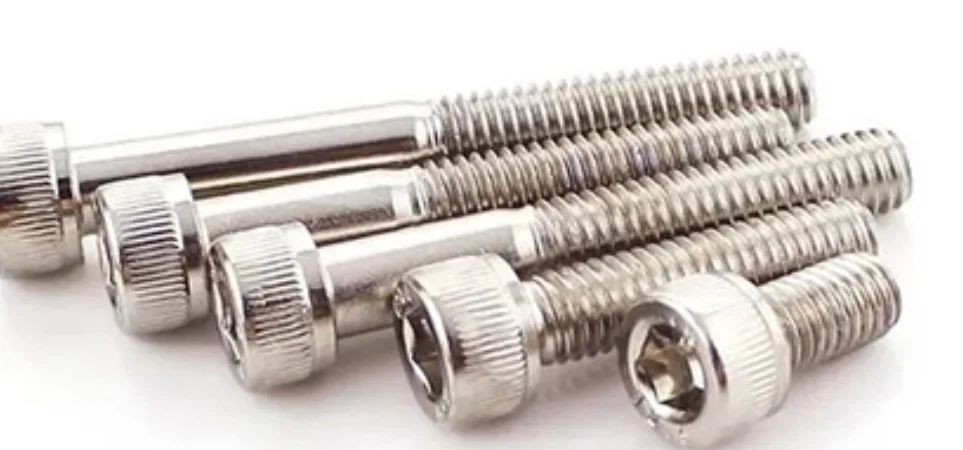
Bolts maintain structural integrity by distributing loads across joints. In a car chassis or engine mount, each bolt must share stress evenly to prevent deformation or cracking. Automotive fasteners are designed to withstand vibration, torque, and thermal cycling that occur during driving. The differences in stress distribution between static assemblies like body panels and dynamic ones like engine mounts influence material selection—high-strength alloys for moving parts and lighter materials for less critical joints. Take an engine mount bolt. It sees constant up-and-down motion plus side loads when you turn. A body panel bolt mostly just holds trim in place. That gap in duty means you need different grades of steel and different thread designs. Mechanics see stripped threads or cracked mounts when the wrong bolt goes in, especially after a few thousand miles on rough roads.
Engineering Standards Governing Automotive Fasteners
Before any bolt is approved for use in a vehicle, it must comply with standards such as SAE J429, ISO 898-1, or ASTM A354. These define tensile strength, hardness, corrosion resistance, and fatigue life. Compliance ensures predictable mechanical behavior under real-world conditions. Without these certifications, there’s no guarantee how a bolt will perform under load or heat—something no hardware store label can promise. Shops that skip the standards often learn the hard way. A bolt that looks fine on the shelf can stretch or snap once the car hits highway speeds and the temperature swings from cold morning starts to hot afternoon traffic.
Material Science Behind Automotive vs. Hardware Store Bolts
The difference between automotive-grade and hardware-store bolts starts at the metallurgical level. The internal structure of steel determines how it behaves under stress. Small changes in how the metal is made show up later as cracks or rust.
Metallurgical Composition and Heat Treatment Variations
Automotive bolts often use alloy steels with controlled carbon and chromium content to balance strength and ductility. Heat treatment processes like quenching and tempering refine grain structure for toughness without brittleness. Hardware store bolts may lack uniform microstructure or proper heat treatment certification. This inconsistency can cause unpredictable elongation or fracture under torque loads typical in engines or suspensions. Picture a cylinder head bolt. It has to stretch a tiny bit when tightened, then stay tight through thousands of heat cycles. Store bolts sometimes come from mixed batches. One might hold, the next one might give way after a month. That’s why rebuild shops stick to known suppliers and check the head markings every time.
Surface Treatments and Coatings for Corrosion Resistance
Automotive bolts employ zinc plating, phosphate coatings, or Dacromet layers to resist corrosion from road salt and moisture. Coating thickness and adhesion directly affect long-term durability in harsh environments. Generic hardware bolts may use decorative coatings unsuitable for high-temperature or chemical exposure found near exhaust manifolds or brake systems. Salt from winter roads creeps into every crevice. After two seasons a plain bolt can look pitted and weak. The better coatings on car-grade bolts keep that from happening. One shop I know of had to replace an entire set of suspension bolts because the owner used regular hardware ones the year before. The rust had already started eating into the threads.
Mechanical Performance Under Dynamic Loads
Vehicles experience continuous vibration from engines, road irregularities, and aerodynamic forces. These cyclic stresses test every fastener thousands of times per minute. A short drive on the highway can equal weeks of static load in a building.
Fatigue Resistance in Automotive Environments
Engine vibrations, suspension motion, and thermal cycles induce cyclic stresses on fasteners. High-grade automotive bolts are tested for fatigue endurance limits under repeated loading using methods defined by ISO 3800 series standards. Non-rated hardware bolts can suffer micro-cracking leading to premature failure—a small crack today becomes a snapped bolt tomorrow. Real tests run bolts through 100,000 or more load cycles. That’s the kind of number you see in lab reports for good automotive fasteners. Hardware bolts often fail well before that mark when the car hits potholes day after day.
Torque-Tension Relationship Differences
Proper clamping force depends on thread friction coefficient and bolt elongation characteristics. Automotive-grade fasteners maintain predictable torque-tension correlation due to precise manufacturing tolerances. Inconsistent thread geometry in store-bought bolts can cause over-tightening or loosening during operation—a dangerous scenario when securing brake calipers or steering linkages. A torque wrench click means nothing if the threads are cut a little off. The bolt might feel tight but the actual clamp load sits too low. Brakes can then shift under hard stops. That’s one reason service manuals list exact torque values and sometimes call for new bolts after removal.
Compatibility with Vehicle Systems and Components
Fastener compatibility goes beyond size matching; it involves thread design accuracy, grade markings, and material expansion rates relative to surrounding components. Getting the fit right keeps everything lined up for years.
Thread Pitch, Grade Markings, and Dimensional Accuracy
Automakers specify metric or SAE thread pitches matched to mating components down to micrometer precision. Bolt grade markings indicate minimum tensile strength; mismatches compromise joint reliability. Dimensional inaccuracies from general-purpose hardware can lead to misalignment or stripped threads during assembly—issues that often surface only after catastrophic failure. A 10.9 bolt head carries clear stamps. A random hardware bolt might say Grade 5 on one side and nothing on the other. When the threads don’t match the hole exactly, the bolt can cross-thread and ruin an expensive aluminum part. That fix costs far more than the few cents saved at the store.
Thermal Expansion and Environmental Considerations
Engine compartments expose fasteners to wide temperature ranges affecting material expansion rates. Automotive alloys are selected for compatible thermal coefficients with surrounding metals such as aluminum blocks or cast iron manifolds. Store bolts without such compatibility may loosen or seize after repeated heat cycles due to differential expansion—a common cause of warped cylinder heads after improper repair work. Morning starts can be 30 degrees colder than the afternoon drive. The metal grows and shrinks each time. If the bolt and the block expand at different rates, the joint slowly works itself loose. Exhaust manifold studs see this every day and still need to stay tight.
Identifying Suitable Alternatives for Automotive Applications
When replacement is necessary, not all aftermarket options are equal. Correct identification of certified parts prevents structural weaknesses later on. Taking an extra minute to check the part number saves headaches down the road.
Selecting OEM or Certified Aftermarket Fasteners
Use fasteners meeting OEM specifications or certified aftermarket equivalents with traceable documentation from recognized suppliers like ARP or OEM distributors. Verify part numbers against manufacturer databases to ensure correct grade and coating type before installation—similar diligence seen in other technical industries where component integration defines reliability. The most reliable suppliers combine self-developed hardware, broad certification coverage, regional service infrastructure, and a clear technology roadmap for future expandability. This same principle applies when sourcing automotive-grade fasteners: integration between design intent and production quality defines long-term performance. Many techs keep a small binder or phone folder with common part numbers for the cars they see often. That list helps avoid the wrong bolt when the job runs late and the store is about to close.
Evaluating Performance Ratings Before Installation
Check tensile strength (e.g., Grade 8 for SAE or 10.9 for metric) relative to application requirements stated in service manuals. Confirm proof load values align with torque specifications provided by manufacturers; even slight deviations can alter preload by hundreds of newtons—enough to distort bearing caps or gasket seals under pressure. A quick look at the service manual before you start shows the exact grade needed. Some spots call for 10.9 while others accept 8.8. Using the higher grade everywhere is not always better because the extra strength can sometimes mask a different problem in the joint design.
Preventive Practices for Reliable Fastener Performance in Vehicles
Routine maintenance should include inspection of critical fasteners just as one checks oil levels or tire pressure. A quick visual check during oil changes catches trouble early.
Inspection and Replacement Protocols During Maintenance
Inspect bolt heads for deformation, corrosion, or loss of plating before reuse during servicing operations like brake pad changes or engine rebuilds. Replace critical fasteners after disassembly where torque-to-yield designs are used (for instance cylinder head bolts). These one-time-use designs stretch plastically during tightening; reusing them risks loss of clamping force leading to gasket leaks. Head bolts on many modern engines are stretch bolts. Once tightened they stay stretched. Reusing them often leads to a head gasket failure within a year. Good shops mark these bolts with paint or set them aside for scrap right away.
Proper Installation Techniques and Tools
Use calibrated torque wrenches to achieve specified preload values accurately instead of relying on feel alone—a common mistake even among seasoned mechanics under time pressure. Apply appropriate lubricants or threadlockers based on manufacturer guidance to prevent galling or loosening from vibration cycles typical in road conditions similar to those endured by high-load energy storage assemblies described by TechBullion’s industrial analysis. Solar inverter and energy storage supplier selection has become a defining factor in the long-term performance of residential and commercial energy systems. The same logic applies here: component selection directly influences system longevity. A torque wrench that hasn’t been checked in a year can be off by 15 percent. That small error adds up when you have ten bolts on a wheel hub. Threadlocker on certain bolts stops them from backing out after months of vibration, but the wrong type can make future removal a real fight.
FAQ
Q1: Why shouldn’t hardware store bolts be used on cars?
A: They lack certified strength ratings, consistent metallurgy, and corrosion protection required for automotive stress conditions.
Q2: How can one identify an automotive-grade bolt?
A: Look for grade markings such as 8.8, 10.9 (metric) or Grade 5/8 (SAE), along with manufacturer codes stamped on the head indicating traceable production batches.
Q3: Are stainless-steel bolts safe replacements?
A: Not always; while corrosion-resistant, many stainless alloys have lower tensile strength than hardened carbon steel used in structural vehicle applications.
Q4: What happens if torque specifications aren’t followed?
A: Under-torquing allows movement that causes fatigue cracks; over-torquing stretches threads beyond yield limits leading to failure under load.
Q5: How often should critical automotive bolts be replaced?
A: Replace any torque-to-yield fastener upon disassembly; inspect others every major service interval especially those exposed to heat cycles such as exhaust manifold studs or suspension mounts.


