
Which Cheap Power Tools Are Actually Worth Buying?
Buying cheap power tools is a bit like buying work boots for a crew. The lowest price looks good at first, but the wrong fit slows the job and costs time. A low-cost drill, saw, grinder, or impact driver can still be a good buy when it suits the work, uses safe parts, and fits a battery system you can keep using.
The real question is not whether cheap tools are good or bad. The point is whether the tool can finish your job without burning time, damaging material, or adding safety problems. Prices move all the time, so this guide uses buying logic, public safety data, and normal workshop use instead of a live price list.
Are Cheap Power Tools Really Worth Buying?
Cheap power tools are worth buying when the job is clear, the workload is fair, and the seller can support returns, parts, and batteries. A poor cheap tool is not a saving. It becomes a delayed job, a half-charged battery, and a worker standing around.
Good Value Starts With Job Fit
A compact drill can handle cabinet hinges, furniture assembly, light framing, and drywall anchors. It should not be used like a rotary hammer on concrete for a full day. Before comparing price tags, match the tool to the material, hole size, fastener length, and daily run time.
Cheap Fails When Duty Cycle Is Wrong
Duty cycle means how long a tool can work before heat becomes a problem. A budget grinder may cut several bolts cleanly, but it can struggle if you force it through thick steel for hours. Heat damages brushes, bearings, gear grease, and battery packs sooner than many buyers expect.
Safety Costs More Than the Sticker
Public safety data gives a useful check. The U.S. Consumer Product Safety Commission’s 2023 NEISS Data Highlights estimated 27,582 emergency department injuries linked to power home tools excluding saws, plus 70,930 linked to power home workshop saws. The lesson is simple enough: a cheap tool is only cheap if it stays controlled, guarded, and predictable. (cpsc.gov)
Which Specs Matter Most When You Compare Cheap Power Tools?
Spec sheets are useful, but they do not tell the whole story. A tool can show big numbers on the box and still have a loose chuck, poor balance, or a battery that costs almost as much as the bare tool. Check the tool beyond the front label.
Battery Platform Beats One Flashy Deal
For cordless tools, the battery platform is the real purchase. Consumer Reports’ battery platform guidance notes that tools inside a platform need the same battery voltage, while battery capacity is measured in amp-hours. If you plan to buy more than one tool, choose the platform first and the single tool after that. (pressroom.consumerreports.org)
Brushless Motors Deserve a Small Premium
Brushless tools often cost more, though the price gap is now smaller. Consumer Reports notes that brushless motors are no longer limited to contractor-only brands and now appear in modestly priced consumer drills. For regular use, brushless can give better runtime, lower heat, and fewer worn motor parts. (consumerreports.org)
Voltage and Amp Hours Need Context
Voltage gives a rough idea of power, but it is not the full answer. Consumer Reports also warns that a higher-voltage drill from one brand may not beat a lower-voltage drill from another, and you should handle the tool with the battery attached before buying. A heavy pack may feel fine for ten seconds in a store, but it is different when working above shoulder height. (consumerreports.org)
Which Cheap Power Tools Should You Buy First?
The best first tools are the ones used on many jobs. Start with tools that drill, drive, cut, and trim common materials. Leave specialty tools for later unless a current job truly needs them.
Cordless Drill and Impact Driver Kit
A drill and impact driver kit is often the best starting point. The drill makes holes and handles light fastening where control matters. The impact driver drives long screws, deck fasteners, and lag bolts with less strain on the wrist. Two batteries are more useful than a good-looking plastic case.
Corded Circular Saw for Steady Cutting
If you cut plywood, studs, shelving, or trim often, a corded circular saw can be better value than a cheap cordless saw. It avoids battery drain and gives steady power through longer cuts. It also leaves more budget for a good blade, and a sharp blade can make an average saw work much better.
Grinder and Oscillating Tool With Care
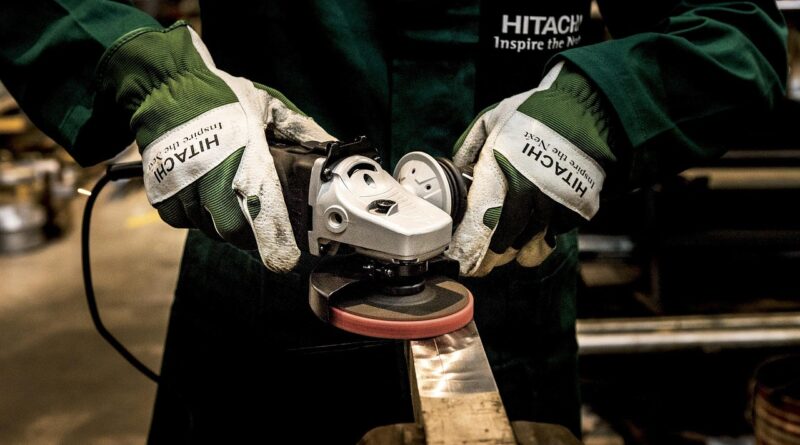
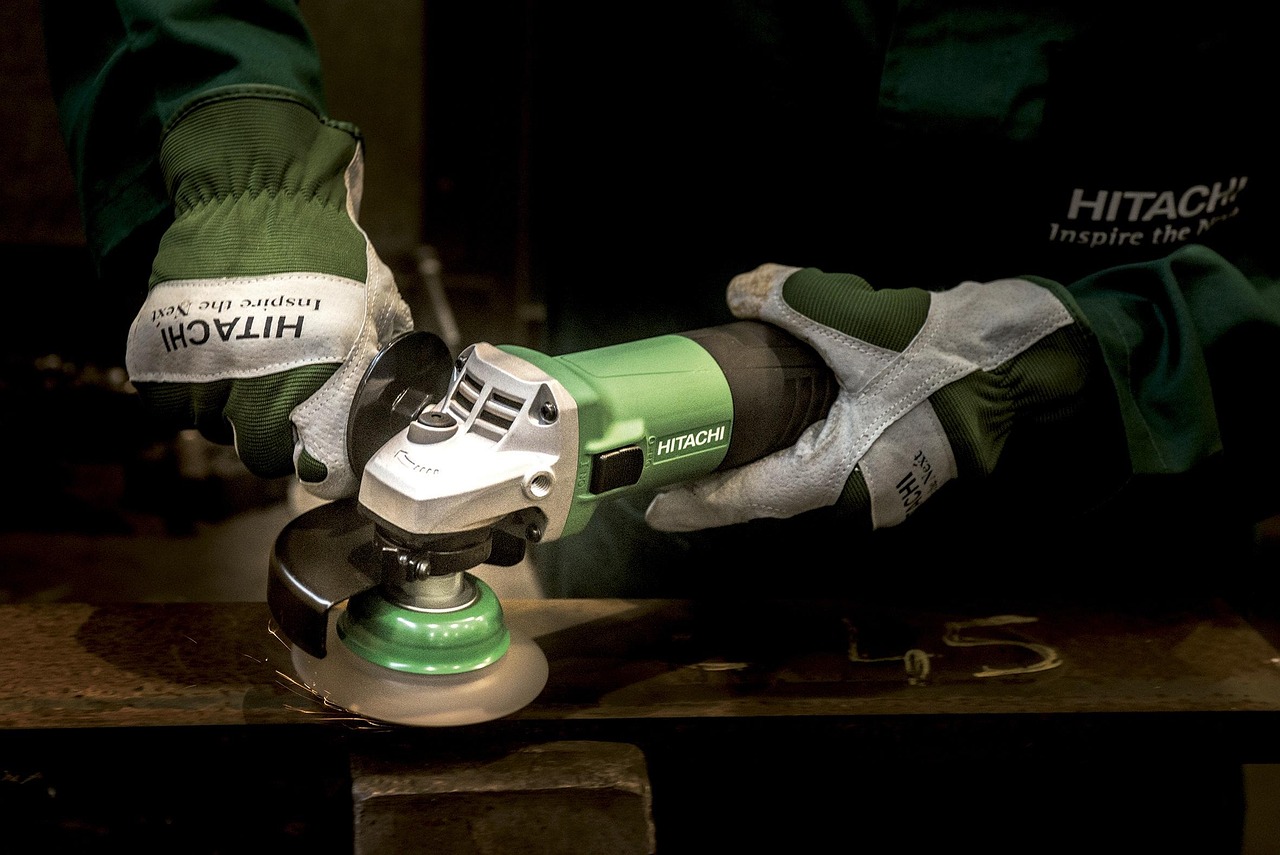
An angle grinder is useful for metal, masonry, and cleanup, but buy one with a solid guard, firm side handle, and smooth switch. An oscillating multi-tool is handy for repairs, door trim, and tight cuts. For both tools, cheap accessories often fail or wear out faster than the tool itself.
What Warning Signs Should Make You Avoid a Cheap Tool?
Some low-cost tools are plain, simple, and useful. Others look cheap because key parts have been cut too far. A few checks can keep you away from the tool that works once, smells hot, and then never runs right again.
Loose Batteries and Weak Chargers
A battery should click in firmly and should not rattle under light hand pressure. The charger should be clearly labeled and matched to the battery chemistry. If the kit includes a very small charger with no useful status lights, expect slow charging and more guesswork.
Missing Guards or Bad Switches
OSHA’s hand and power tool rule says tools must be kept in safe condition, guards must be used when tools are designed for them, and exposed workers need proper personal protective equipment. Even for home use, those rules point to basic shop sense. Do not buy saws, grinders, or sanders with missing guards, sticky triggers, or improvised repairs. (osha.gov) See also: Bolts & Fasteners.
Too Many Accessories in the Box
A huge kit can be a warning sign when the price is oddly low. Forty screwdriver bits, six dull blades, and a thin tape measure do not make a weak motor better. Check the core tool first, and treat the extras as a small bonus.
- Check the chuck, shoe, guard, switch, cord, and battery latch before first use.
- Spin the tool with no load and listen for grinding, scraping, or uneven speed.
- Return any tool that sparks heavily, overheats quickly, or smells burned during light work.
How Should Contractors and Export Buyers Choose Cheap Power Tools?
For trade, resale, or bulk purchasing, the buying decision is different. One weak tool at home is annoying. Twenty weak tools on a job site can stop work, bring complaints, and hurt trust with customers.
Buy Kits When Batteries Drive Cost
In many cordless lines, batteries and chargers make up a large part of the total cost. Kits often make sense when they include two useful batteries, a charger, and the tools you actually need. Bare tools are only cheap if compatible batteries are already on the shelf.
Keep Corded Tools for Heavy Loads
For cutting metal, ripping boards, mixing mortar, or grinding masonry, corded tools can still be the practical budget choice. They are not as tidy as cordless tools, and the cord can get in the way. Even so, steady power wins on long, dirty jobs.
Spend More on Blades and Bits
Cheap power tools often work better with quality consumables. A clean carbide blade, impact-rated bit, or proper grinding disc reduces load on the motor and improves the finish. If the budget is tight, buy the plain tool and the better cutter, not the other way around.
How Can You Make Cheap Power Tools Last Longer?
Even a budget tool can last when you control heat, dust, abuse, and storage. The habits are simple, but they matter on real jobs. Most tool failures start small before they turn into a dead trigger or a smoking motor.
Heat Control Protects Motors
Let the tool do the cutting. Pushing harder does not always finish the work faster. If the housing gets hot, stop for a few minutes, clear dust, and use a sharper bit or blade. For drills, step up hole sizes instead of forcing one large bit through tough material.
Battery Care Prevents Waste and Fire Risk
The U.S. Environmental Protection Agency says lithium-ion batteries, including those used in power tools, should not go into household trash or regular recycling bins. It also recommends taping battery terminals or placing each battery in a separate plastic bag before recycling. A cheap cordless kit still needs careful battery handling. (epa.gov)
Simple Records Help Spot Bad Batches
For crews or small shops, write the purchase date on the tool or battery with a paint marker. Keep receipts, note failures, and track which tools overheat. If three identical grinders fail on similar work, the issue is probably not bad luck. Stop buying that model.
- Store tools dry, not on damp concrete floors.
- Blow dust from vents after sanding, cutting, or masonry work.
- Use the right extension cord for corded tools to reduce voltage drop.
- Charge batteries away from metal scraps, nails, and loose fasteners.
FAQ
Q1: Are Cheap Power Tools Safe to Use? A: Yes, if they are complete, guarded, correctly rated, and used with eye, hand, hearing, and dust protection when the job calls for it. Avoid damaged tools, missing guards, loose batteries, and no-name chargers with unclear labels.
Q2: Should You Buy Cordless or Corded Cheap Power Tools? A: Buy cordless for drilling, driving, light cutting, and mobile repair work. Buy corded for long cutting, grinding, mixing, and other heavy jobs where steady power matters more than convenience.
Q3: Is a Brushless Cheap Drill Better Than a Brushed Expensive One? A: Not always. A brushless motor is a good plus, but chuck quality, gearing, battery fit, balance, warranty, and real torque still matter. Compare the whole tool, not one feature.
Q4: How Many Batteries Do You Need for Cheap Cordless Tools? A: For occasional home use, one battery can work. For weekly jobs or trade use, two batteries are the practical minimum, because one can charge while the other stays in the tool.
Q5: What Is the Biggest Mistake When Buying Cheap Power Tools? A: The biggest mistake is buying the lowest price without checking the battery platform, safety parts, return policy, and consumable quality. A cheap tool should lower project cost, not create another problem.


