
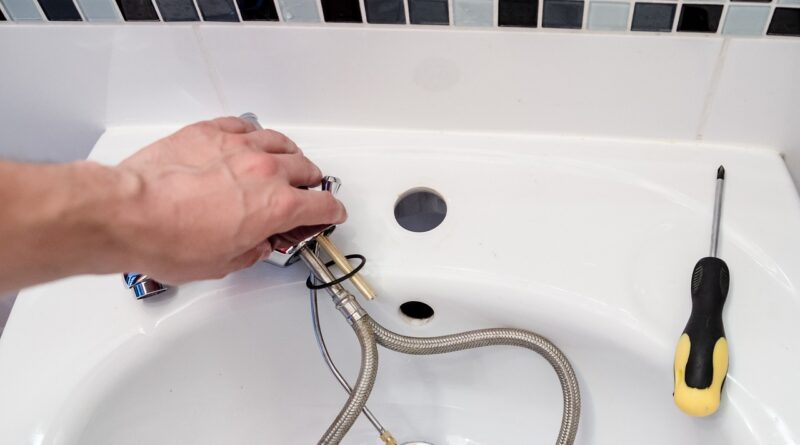
Plumbers tools checklist for service, repair, and installation work
What a plumbers tools kit needs to do
A practical plumbers tools kit is more than a bag of wrenches. It needs to help a plumber measure accurately, work in tight spaces, cut pipe cleanly, prepare materials, make approved connections, test the work, and stay protected on the job. The right setup also depends on the work being done. A residential service plumber, drain technician, new-construction rough-in crew, and commercial installer will not carry the same tools every day.
The best approach is to start with a core set of hand tools, then add pipe-material tools, drain and diagnostic equipment, and cordless power tools as the work requires. For more tool-focused buying and maintenance guides, see the Tools & Power section. This checklist focuses on function rather than brand, because local code, employer rules, and manufacturer installation instructions often matter more than the name on the tool.
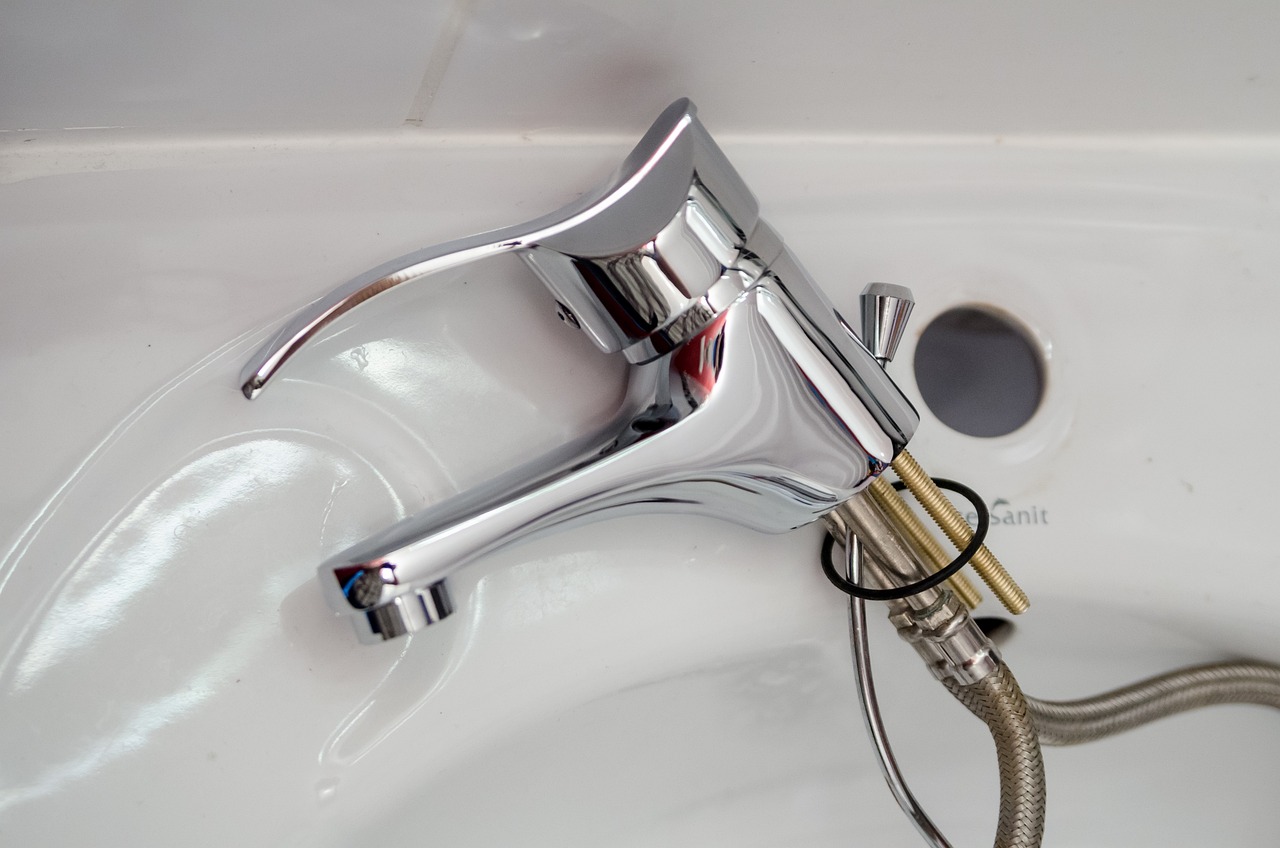
Core hand tools most plumbing kits start with
Hand tools are still the foundation of plumbing work. Many repairs happen inside cabinets, crawl spaces, wall cavities, and mechanical rooms where larger equipment is awkward or impossible to position. A beginner does not need every specialty wrench on day one, but the starting kit should cover gripping, turning, measuring, marking, fastening, visibility, and safe cutting.
| Tool group | Common tools | Why it matters |
|---|---|---|
| Measuring and marking | Tape measure, torpedo level, pencil, permanent marker, notepad | Helps set pitch, center penetrations, record measurements, and avoid repeat trips to the truck. |
| Gripping and turning | Tongue-and-groove pliers, adjustable wrench, pipe wrench, basin wrench, strap wrench | Covers fittings, supply lines, traps, threaded pipe, faucets, and delicate finished surfaces. |
| Fastening | Multi-bit screwdriver, nut drivers, hex keys, socket set | Useful for fixture trim, valves, clamps, hangers, access panels, and equipment covers. |
| Access and visibility | Flashlight, headlamp, inspection mirror, pick set | Improves work in cabinets, ceiling spaces, and behind fixtures where leaks often hide. |
| General cutting | Utility knife, hacksaw, jab saw, file | Supports packaging, minor trimming, pipe support work, drywall access, and rough cuts. |
Pipe wrenches need special attention. They are made for round pipe and heavy threaded work, not polished trim or plastic parts. Adjustable wrenches and smooth-jaw pliers are better choices for finished nuts where tooth marks are unacceptable. A strap wrench can also help on chrome, plastic, or filter housings where the surface needs protection.
For apprentices, a compact daily carry often includes a tape measure, level, marker, utility knife, pliers, adjustable wrench, screwdriver, and flashlight. From there, the kit should grow around the tasks actually assigned by the employer or journeyman.
Pipe cutting and preparation tools
Clean cuts and proper preparation are where plumbing tools directly affect leak risk. Copper, PEX, PVC, CPVC, ABS, cast iron, and steel each require different cutting and preparation methods. A cutter that works well on one material may crush, burr, crack, or deform another.
- Copper tubing cutters are used to make square, controlled cuts on copper tube. A close-quarters cutter is useful behind fixtures and inside wall openings.
- PEX cutters are designed to make clean cuts without flattening the tubing. Ragged or angled cuts can interfere with fittings.
- PVC and ABS cutters, handsaws, or miter-style guides help produce straighter cuts on plastic drain and vent pipe.
- Deburring and reaming tools remove sharp edges that can restrict flow, damage seals, or interfere with fitting insertion.
- Pipe cleaning brushes, abrasive pads, and fitting brushes prepare copper surfaces where soldering is allowed and appropriate.
- Soil pipe cutters, snap cutters, or saw systems may be needed for cast iron, but these are usually job-specific rather than apprentice starter tools.
The International Plumbing Code and model plumbing codes generally connect pipe and fitting acceptance to listed standards, approved joining methods, and manufacturer instructions. In practice, the correct tool is not only the one that cuts the pipe. It is the one that supports the approved connection for that pipe system.
Joining, installation, and specialty plumbing tools
Joining tools vary more than almost any other part of a plumber’s kit. Copper, PEX, threaded steel, plastic DWV pipe, compression fittings, and press systems all rely on different procedures. The tool must match the material, fitting type, and installation instructions rather than assuming one system covers all work.
PEX and flexible water distribution tools
PEX systems may use crimp rings, clamp rings, expansion fittings, press-style fittings, or other listed connection methods. That creates a real buying decision: a crimp tool, clamp tool, expansion tool, and press tool are not interchangeable. Before buying, confirm which system is used on the jobsite and which gauge or calibration process is required. Some systems also require go/no-go gauges or periodic adjustment checks.
Copper, soldering, and press tools
Traditional copper work may require a tubing cutter, deburring tool, fitting brush, flux brush, torch, striker, heat shield, and fire-safe work practices. Press systems can reduce open-flame work, but they require compatible jaws, batteries, tool maintenance, and enough clearance around the fitting. Press tools are valuable on many professional jobs, but they are usually a later purchase unless the employer expects the worker to supply one.
Fixture and finish tools
Service plumbers often rely on tools that look ordinary but save time: basin wrenches for faucet shanks, tub drain tools, internal pipe wrenches, faucet seat tools, supply-line wrenches, cartridge pullers, and cleanout plug tools. These are not always needed on day one, but they become important when service work moves beyond basic trap and supply-line repairs.
Drain cleaning and diagnostic tools
Drain and diagnostic work has its own tool path. A general plumbing kit may include a plunger and hand auger, but serious drain service often uses equipment that is expensive, powerful, and hazardous if handled carelessly.
- Cup and flange plungers handle many fixture-level stoppages without disassembling piping.
- Hand augers and closet augers are useful for sinks and toilets when used with the right cable and technique.
- Drum machines, sectional machines, and jetting equipment are typically specialized tools for trained drain service work.
- Inspection cameras and locators help identify breaks, bellies, roots, obstructions, or unknown pipe routing.
- Pressure gauges, test plugs, smoke testing equipment, and moisture meters help confirm conditions rather than relying on guesswork.
EPA WaterSense consumer guidance notes that leaks can come from old piping, worn fixtures, corrosion, cold temperatures, irregular pressure, equipment problems, and incorrect installation or application of fixtures. For plumbers, that is a reminder not to stop diagnostics at the visible drip. A pressure issue, failing valve, bad connection, or concealed moisture path may be part of the same service call.
Leak detection and flow-monitoring devices are increasingly common in homes and light commercial buildings. Plumbers do not need to treat them as a replacement for inspection, but they should understand how these devices identify unusual water use, moisture, or shutoff events so repairs can be evaluated with better information. See also: Bolts & Fasteners.
Power tools for plumbing work
Power tools can speed up drilling, demolition, cutting, fastening, and lighting, but they do not replace material-specific plumbing tools. A reciprocating saw is useful for demolition. It is not a substitute for a clean tubing cutter where a precise fitting connection is required.
| Power tool | Typical plumbing use | Buying note |
|---|---|---|
| Cordless drill and impact driver | Hangers, supports, access panels, anchors, and light drilling | A reliable battery platform often matters more than high peak torque. |
| Hole saw kit | Pipe penetrations through framing, cabinets, and finish materials | Choose sizes based on pipe outside diameter and required clearance. |
| Reciprocating saw | Demolition, rough cutting, removing old pipe, cutting supports | Use the correct blade for metal, plastic, wood, or mixed materials. |
| Oscillating multi-tool | Small access cuts, trim work, tight-space cutting | Helpful for service work where controlled cuts reduce damage. |
| Work light | Cabinets, attics, crawl spaces, mechanical rooms | Good lighting improves quality and safety more than many specialty tools. |
OSHA’s hand and power tool guidance emphasizes using the right tool for the job and keeping tools in safe operating condition. That applies directly to plumbing: dull blades, damaged cords, missing guards, loose batteries, and improvised cutting methods can create injuries as well as poor workmanship.
PPE and jobsite safety equipment
Plumbing tools are incomplete without personal protective equipment. The work can involve sharp metal, hot surfaces, confined spaces, sewage exposure, dust, silica-containing materials, electrical hazards, and loud equipment. OSHA identifies PPE categories such as gloves, eye protection, safety shoes, hearing protection, hard hats, respirators, and protective clothing, depending on the hazard.
- Safety glasses or goggles protect against chips, flux, dust, pressurized water, and drain debris.
- Cut-resistant or chemical-appropriate gloves should match the task; one glove type does not cover every hazard.
- Knee pads reduce strain during under-sink and floor-level work.
- Hearing protection may be needed around saws, hammer drills, jetters, and mechanical rooms.
- Respiratory protection should be selected according to the exposure, employer program, and applicable safety requirements.
- Drop cloths, fire-resistant pads, buckets, rags, and containment supplies protect the building as well as the worker.
Safety gear is not an add-on after the tool purchase. On many jobs, it is the difference between a controlled repair and a preventable incident.
How to build a plumbers tools kit without overspending
The most common mistake is buying advanced specialty tools before knowing the type of plumbing work ahead. A better sequence is to build a dependable base, then add tools as the work pattern becomes clear.
- Start with daily hand tools: measuring, marking, gripping, turning, fastening, lighting, and basic cutting tools.
- Add pipe-material tools for the systems you actually work on, such as PEX cutters, copper cutters, PVC cutters, or deburring tools.
- Buy specialty fixture tools when service calls require them repeatedly.
- Invest in cordless tools after choosing a battery platform that supports drills, lights, saws, and future trade tools.
- Leave high-cost tools such as large drain machines, press tools, inspection cameras, and jetters until there is a clear work need or employer requirement.
Maintenance should be part of the same plan. Clean cutters after use, replace worn wheels and blades, keep batteries charged but protected from abuse, check calibration where gauges are required, and store specialty tools so they do not corrode or disappear in the truck. A cheaper tool that stays clean, sharp, and available may outperform an expensive one that is neglected.
Frequently asked questions
What plumbers tools should an apprentice buy first?
An apprentice should usually start with a tape measure, torpedo level, marker, utility knife, flashlight, tongue-and-groove pliers, adjustable wrench, multi-bit screwdriver, and basic PPE. Before buying specialty tools, ask the employer, union, school, or journeyman for the required list.
Do plumbers need both hand tools and power tools?
Yes. Hand tools handle access, fitting work, trim, measurement, and many repairs. Power tools speed up drilling, cutting, fastening, demolition, and lighting. The two categories support different tasks, so one does not replace the other.
Are PEX tools interchangeable?
Not always. PEX crimp, clamp, expansion, and press systems use different tools and fittings. The correct choice depends on the system being installed and the manufacturer’s instructions.
Which plumbing tools are usually not worth buying too early?
Large drain machines, inspection cameras, press tools, jetters, and specialty pullers can be valuable, but they are expensive and job-specific. They make more sense after the plumber knows the work type, employer expectations, and tool ownership policy.
How should a plumbing kit be organized?
Organize by task: measurement and marking, gripping and turning, cutting and prep, joining, diagnostics, PPE, and consumables. Service plumbers may also keep separate bags for faucets, toilets, drains, copper, and PEX so the right tools arrive at the fixture the first time.


