

What Makes Snap Ring Pliers Essential for Precision Assembly Work
What Defines the Functionality of Snap Ring Pliers?
Snap ring pliers are special tools built to put in and take out retaining rings. These rings hold parts in place on shafts or inside holes. You will see them as key items in mechanical work, car fixes, and exact making processes. Their build mixes toughness, grip, and easy handling. This makes them important for keeping close fits in machine setups. I remember once in a garage, without good pliers, a simple ring job turned into hours of hassle.
Structural Design and Mechanical Advantage
Snap ring pliers have jaws that turn on a pivot. These jaws spread out or squeeze together to handle rings just right. This turning point boosts the power from your hand. It gives you good control. You avoid harm to soft parts. The extra push helps with tight rings too. Here, steady push counts more than raw power. Handles often have soft padding or shapes that fit your hand. They cut down tiredness in repeat jobs. This is a small point, but it helps a lot on long work days in factories.
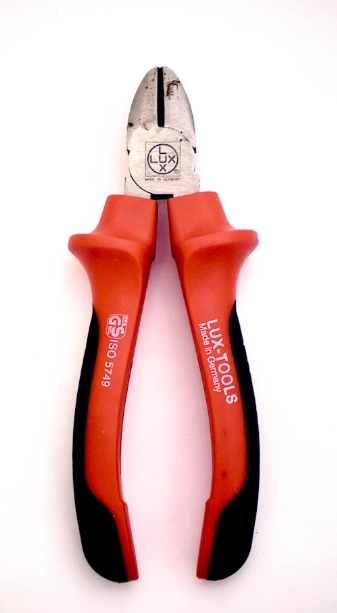
Types of Snap Ring Pliers and Their Applications
There are two basic kinds: internal and external snap ring pliers. Internal ones squeeze rings to slide into spots on housings. External types stretch rings to go over shafts. Some pliers can switch between both jobs. They use a tip that flips or a simple change part. This saves time when you swap ring styles often. Tip shapes vary too. You get straight, slanted, or ones you can swap out. They fit different sizes and depths in motors, gear boxes, or big machines. For example, in a truck engine rebuild, the right tip can make all the difference in reaching deep spots.
Material Composition and Durability Factors
Tool makers often pick high-carbon steel for snap ring pliers. It gives solid strength. It stands up to wear from many uses. Some top models add coats that fight rust. Think black oxide or nickel plating. These last longer in wet or greasy spots. Ground tips stay straight after tons of jobs. This keeps them hooking rings well every time.
Why Are Snap Ring Pliers Critical for Precision Assembly Work?
In exact work areas like plane building or car lines, small details matter a ton. Snap ring pliers keep those close measures by using steady push in put-in and take-out steps. They make sure nothing goes wrong in tight setups.
Prevention of Component Damage During Installation
The jaws move in a set way. This stops bending thin snap rings. It also saves the slots they fit into. When jaws line up with ring holes right, slips drop a lot. This guards your hands and close areas from cuts. Even push makes sure rings sit firm. They do not stretch past what they can take.
Enhancement of Assembly Efficiency and Accuracy
Fast work counts in make lines. Quick-open parts let you grab rings speedy. This cuts time per job. Less hand push means more work done. It keeps things right too. When tools act the same each time, fix-ups from bad fits happen less. That’s big in smart factory plans. In my view, it’s like how a good wrench speeds up bolt jobs without fuss.
Contribution to Overall System Reliability
A ring set right holds parts steady along a shaft. It stops bearings or gears from moving when loaded. This cuts shakes and early wear in turning parts. In the long run, it lowers stop times and fix costs. It’s a steady help to make systems last. Picture a bike chain; if it’s off, everything grinds down quick.
How Do Different Tip Configurations Influence Performance?
The tip setup decides how well you can get to and move a snap ring in its slot. Picking the best one boosts hold and cuts effort in hard put-togethers. Different tips fit different spots, like straight for open work or bent for hidden ones.
Straight Tips for General-Purpose Applications
Straight tips let you reach open snap rings easy. Space is not a problem there. They work great on workbenches or wide-open fixes, like fixing hydraulic tubes. Since they keep your wrist straight, you feel the pull clear through your hand. This helps when you need to set rings just so.
Bent Tips for Enhanced Accessibility
Bent-tip pliers do well in cramped or hard-to-see spots. The slant lets you get to deep slots without odd wrist turns. It makes things comfy. It also keeps your view open for lining up. This is a nice plus that builds up in big jobs. I’ve used them in tight engine bays where straight ones just wouldn’t cut it.
Interchangeable Tips for Versatile Use Cases
Some pro kits come with tips you can swap. This lets you change sizes fast without a full tool switch. These setups handle inside and outside jobs on one handle base. When tips get beat up, you just swap those. No need to toss the whole thing. It’s handy for varied work, saving cash and space.
What Factors Should Be Considered When Selecting Snap Ring Pliers?
Buying the right pair means more than just size match. It’s about fitting your daily tasks and work area. Think about how you’ll use them day to day.
Compatibility with Ring Size and Type
The tip size has to fit the hole on your snap ring exact. If too small, it slips. Too big, it bends the ring. Check the jaw reach for your ring sizes first. Also, look at ring hardness. Soft ones need light hold, unlike tough steel types in big gear.
Handle Design and Ergonomic Comfort
Go for handles with grips that don’t slide. Use rubber-like stuff that feels good even if greasy. Springs that push jaws open after you squeeze cut hand ache in repeat work. Even weight helps when you work at weird angles in machines.
Quality Standards and Manufacturing Precision
Top pliers meet work rules like DIN 5254 or ANSI specs. These cover size match and steady work. Close build limits mean easy turns under weight. Known makers add check info to show right work across lots. This builds trust in busy shops.
How Does Maintenance Affect the Longevity of Snap Ring Pliers?
Good care stretches tool life a bunch. This is key in shops with dirt, oil, and metal bits piling up fast. Skip it, and you’ll replace them sooner than needed.
Cleaning Practices for Optimal Functionality
Clean the turn spots often. Get out junk that rubs parts over time. A bit of oil on pivots keeps things slick. It stops rust too. Store them dry, far from bad chemicals. Wet air speeds up rust on any coat.
Inspection Routines for Wear Detection
Check tips now and then for bends or chips. Bad jaws lead to big mistakes later. Test spring pull sometimes. Weak ones mess grip in squeeze jobs. Swap worn bits quick to keep things sharp all through use.
Calibration Procedures for Sustained Precision
After long runs, jaw lines might shift from tired metal at turns or pins. Regular checks fix this back to start specs. Adjust stops or swap pins if needed. Keep notes on checks. This helps quality checks in strict fields like plane work. It’s like tuning a guitar; if off, the whole sound suffers.
In What Ways Do Snap Ring Pliers Improve Safety in Assembly Operations?
Safety gets better when push is steady, not guesswork. That’s what smart tool builds do. It keeps folks safe in daily tasks.
Reduction of Hand Injuries Through Controlled Force Application
A firm hold cuts quick slips that pinch fingers or hurt close parts. The build push takes over hard hand work. This avoids repeat hurt common in busy lines. Grips that stick help steady hold in tough pulls where right counts.
Prevention of Component Ejection Hazards
Right jaw fit with ring holes lowers chance of fast pop-out under squeeze. That’s a top eye hurt cause for techs using wrong tools like flat blades. Some builds add small guards to block bits if a ring flies. Better safe than sorry in a busy shop.
Compliance with Workplace Safety Standards
New snap ring pliers follow handle rules for safe use in fields from car shops to plane fixes. Safe stuff meets work safety needs. It holds up in steady loads. Check plans keep them up to code in fix programs.
How Are Technological Advancements Shaping Modern Snap Ring Pliers?
New tech changes even basic hand tools. It mixes old ways with exact digital bits once just for machines. This makes them sharper for today’s jobs.
Integration of Precision Manufacturing Techniques
Machines like CNC cut parts to fine sizes in big runs. Laser-treated tips fight wear better than old heat ways. New coats cut rub at turns. This leads to smooth work over more time. It’s clear in steady make spots. For instance, in auto plants, these last through shifts without a hitch.
Development of Modular and Adjustable Designs
Makers now like build-your-own styles. You tweak kits to fit job needs, not buy one per type. Set stops let you adjust open sizes for close fits in work. Small mod systems make store easy in truck kits or shop bins.
Adoption of Smart Tools in Industrial Settings
Top models have built-in sensors for push levels. They log numbers auto. This aids track in quality plans where papers count as much as the job. Track data spots wear early, not by luck. It ties into robot arms for exact work in auto cells. Every step needs fine match, and this helps hit it.
FAQ
Q1: What’s the difference between internal and external snap ring pliers?
A: Internal pliers compress rings into housing grooves while external ones expand them over shafts; convertible models handle both tasks using reversible mechanisms.
Q2: How often should snap ring pliers be calibrated?
A: For professional use, check alignment every six months or after roughly 10,000 cycles depending on workload intensity; recalibrate if deviation exceeds manufacturer tolerance limits.
Q3: Can you replace damaged tips instead of buying new pliers?
A: Yes—many modern designs feature interchangeable tips so replacing worn parts restores functionality without discarding entire assemblies.
Q4: Why do some snap ring pliers have bent tips?
A: Bent tips improve access to recessed areas where straight versions can’t reach easily while reducing wrist strain during awkward positioning tasks.
Q5: What materials offer best corrosion resistance?
A: Nickel-plated high-carbon steel provides strong protection against rust especially useful in humid workshops or marine mechanical applications where moisture exposure is constant.


