
What Makes SDS Drill Bits the Optimal Choice for Concrete and Rebar
Understanding the Design and Functionality of SDS Drill Bits
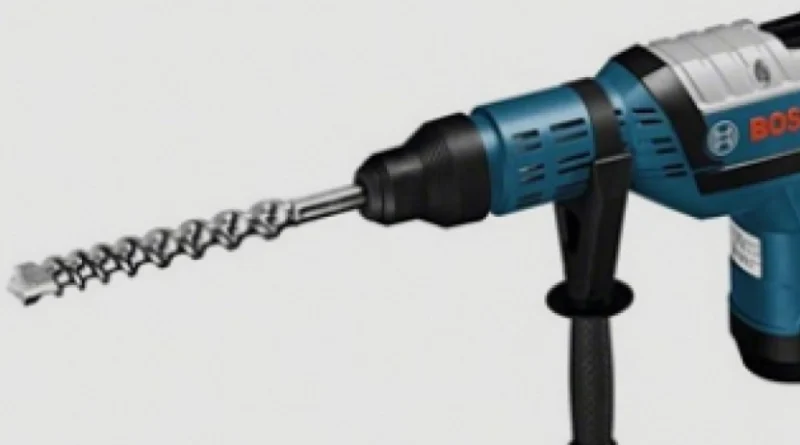
SDS drill bits are built for tough jobs in masonry and concrete work. They need exactness, strength, and good power flow. These bits pair with rotary hammer drills that use a slotted drive system, or SDS. This setup gives strong hammering while keeping the bit steady. For builders and installers in construction, learning about SDS workings aids in picking the best bit. It helps for better results and longer use.
The Engineering Behind SDS Shank Systems
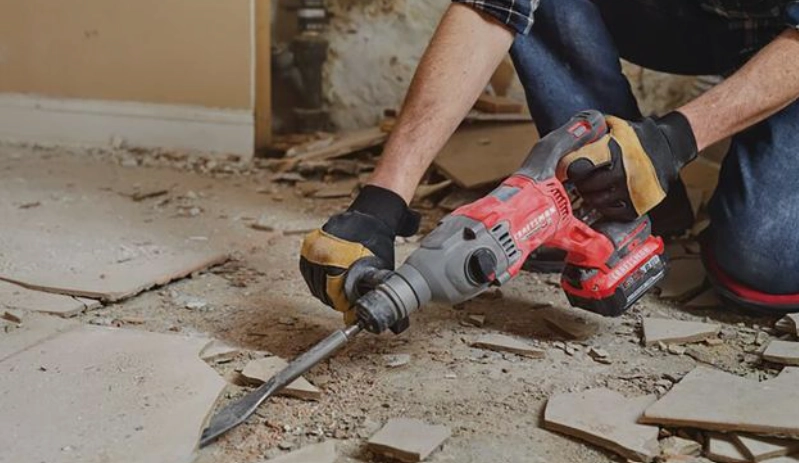
The SDS system stands for Slotted Drive System. It was made to boost torque pass from the drill to the bit. Slots on the shank fit into ridges in the drill chuck. This makes a firm link. It lets the bit turn and move forward without slipping.
There are three key types: SDS, SDS Plus, and SDS Max. Basic SDS, sometimes called SDS-Top, works for easy tasks. SDS Plus shows up most in pro drills up to 4 kg. For bigger tools over 5 kg, SDS Max uses a wider shank at 18 mm. It deals with more impact force. The slots improve torque flow. They also make swapping bits simple. No need for a chuck key.
Compared to old round-shank bits in regular rotary drills, SDS holds better under hits. This edge cuts down wear on the tool and bit. It also boosts drilling straightness during long work periods. In my experience on sites, this means fewer mistakes when holes need to line up just right.
Material Composition and Manufacturing Precision
SDS drill bits use strong materials to handle repeated bangs into hard stuff like concrete or rock. Tough tungsten carbide tips get welded to steel shafts. They fight wear and stay sharp, even with rebar or rocks inside.
Makers use heat treatment and careful shaping to build strength in the shank and grooves. These steps stop tiny breaks that might cause early breakdowns under pressure. The groove shape pulls dust from the cutting part. This keeps rubbing low and speed steady. Good dust removal stops blocks too. That avoids heat buildup or slower cutting. Think about drilling a wall all day; clear paths make the job smoother without constant stops.
Performance Advantages of SDS Drill Bits in Concrete Applications
Drilling concrete every day calls for quick work and lasting tools. The special build of SDS drill bits offers real benefits in power push and ease for the user.
Superior Energy Transfer and Impact Efficiency
The hammer action in an SDS drill sends force right through the shank to the carbide tip. No power gets lost from slips or bends. The bit can slide forward in the chuck. So each hit lands well at the edge. This means quicker entry into even tough reinforced concrete.
Less shake loss leads to even running. Not much energy goes to the tool body or your hands. Holes stay true because the bit doesn’t stray at the start. It’s a small gain, but key for perfect anchor fits. On a busy site, this saves time when aligning multiple holes for beams.
Enhanced Durability Under High Load Conditions
How long a bit lasts decides if it finishes jobs or quits halfway. The strong weld between tip and body fights chips when hitting rebar. Plus, the self-hold shank design keeps SDS bits from slipping in the chuck during hard use. That’s a big issue with old round-shank bits under twist strain.
This setup also helps the worker feel better. Fewer shakes mean less tiredness in long drills. You get better grip on push and straightness. I’ve seen crews go longer without breaks thanks to this steady feel.
Drilling Through Rebar: Challenges and Solutions with SDS Bits
Finding rebar in concrete can wear out normal masonry bits fast. But good SDS drill bits manage it with care and skill.
Understanding the Interaction Between Bit Tip and Reinforcement Steel
When an SDS bit hits steel rebar, the carbide head cuts slow and steady. It doesn’t grind too much on metal. Use medium turns per minute and even hammer beats. This stops too much heat or tip shine from rebar work. Take breaks now and then to control warmth. It keeps the edge hard. For deep spots, water sprays cool things down where heat piles up. In practice, like punching through a foundation wall, these pauses prevent surprises.
Specialized SDS Bit Designs for Reinforced Concrete
Companies make bits with many cutting heads for spots with likely rebar. These have four or more edges around the point, set even. They shift smooth between concrete and steel bars. Grooves in the flutes fight jams at crossings in tight rebar setups. Keep push steady, not too hard. This clears chips well and cuts twist jumps that harm the bit or drill motor. Steady hands make all the difference here.
Selecting the Appropriate SDS Drill Bit for Depth and Diameter Requirements
Picking the right SDS drill bit hinges on hole depth and job need. Setting anchors differs a lot from boring for pipes.
Matching Bit Type to Application Depths
Shallow Hole Drilling (Up to 50mm)
For short bolts or pegs needing light depth, bits with brief grooves offer more steadiness. Less length cuts bend chance under weight. Short ones clear junk quicker with short paths. Great for work above head or in snug spots. Say you’re fixing a shelf in a garage; these keep things simple without mess buildup.
Medium Depth Drilling (50mm–200mm)
For middle depths in pipe setups or shelf holds, groove length matters for dust pull without losing firmness. Even torque over different depths keeps hole size the same. Vital for exact fit of spread anchors. Workers often pick these for home renos where precision counts but not too deep.
Deep Hole Drilling (Over 200mm)
Long SDS Max bits tackle big cuts like pipe runs through thick slabs over 200 mm. Cooling gets more important. Long runs can heat the center enough to weaken welds if air flow in grooves lacks. Pull back now and then to clear bits and cool inside. Then go back to full depth. On big projects, like commercial floors, this method avoids tool strain.
Choosing Bit Diameter Based on Structural Requirements
Bit width ties straight to torque pull on your hammer’s engine power. Bigger widths need slower turns but more hit force. A small tool on large holes can stall or get too hot. For wide holes in strong slabs, like for pipe sleeves, use straight guides. They hold the angle right for weight hold. Always match to your drill’s 1,000 to 1,500 watt range for safe runs.
Maintenance Practices to Extend SDS Drill Bit Life Span
Good care after jobs can make your bits last twice as long. It keeps work steady over many tasks.
Proper Cleaning and Storage After Use
After drilling, blow out dust from grooves with air or firm brushes. Store them dry in safe boxes. Leftover wet can rust spots, mainly at welds. A thin oil coat stops rust on shanks in damp places. Simple steps like this, done right after a shift, pay off big in the long run.
Inspection Protocols Before Reuse
Check each bit under bright light before new starts. Chipped tips cut speed a lot. Bent shanks make shakes and big holes. Cracked grooves show stress wear that needs new bits, not fixes. Sharpen only with pro gear to keep the first shape within maker rules. Skipping checks once led to a whole set failing on me mid-project—lesson learned.
Technological Innovations Enhancing Modern SDS Drill Bits
New ideas keep improving SDS drill bits. They go past old metal work to link with tools in smart ways.
Advanced Tip Geometry and Coating Technologies
Late changes add titanium-nitride layers for better heat fight in long hits. Also, diamond-sharpened points cut start slips—a tiny fix that saves time and arm ache on repeat jobs. These bits feel more forgiving on uneven surfaces, like old poured concrete with lumps.
Integration with Smart Drilling Systems
New hammer drills have sensors that read twist back from bits. Some SDS bits have chips that send depth info to screens on the tool. This lets on-the-spot changes to stop drill-too-far slips on quick sites. It’s handy for teams tracking progress without measuring every hole. Tech like this makes jobs faster, though it adds a bit to cost.
FAQ
Q1: What differentiates SDS Plus from SDS Max?
A: The main difference lies in size and power handling; SDS Plus fits mid-range drills up to 4 kg while SDS Max suits heavy-duty hammers above 5 kg requiring larger shanks for higher impact energy transfer.
Q2: Can you use an SDS Plus bit in an ordinary rotary drill?
A: No, because standard chucks lack slot engagement needed for proper locking; adapters exist but compromise performance due to vibration losses during hammer mode operation.
Q3: How often should sds drill bits be replaced?
A: Replace them once carbide tips show visible rounding or chipping since dull edges increase friction causing slower progress plus potential overheating damaging both tool motor bearings over time.
Q4: Why do some sds drill bits have four cutters instead of two?
A: Multi-cutter heads distribute load evenly across contact surfaces yielding cleaner holes especially when transitioning between concrete aggregate zones reducing snagging at embedded steel points like rebar intersections.
Q5: What’s best practice when hitting rebar unexpectedly?
A: Stop immediately lower speed slightly resume gently letting carbide edges bite progressively rather than forcing rotation which risks tip fracture due excessive localized heat buildup around metal contact zone.


