

What Makes Wood Screws Essential in Advanced Joinery Applications
A Complete Guide to Wood Screws
Wood screws rank as one of the most handy fasteners in woodworking and building projects. Their shape gives you good control over how strong a joint is, how parts line up, and how well it lasts over time. If you use them right, they work as strong supports and guides for fitting pieces together. This guide looks at their basic features, how they handle forces, how they fit with new ways of joining wood, and fresh ideas that are changing things ahead.
What Defines Wood Screws in Advanced Joinery Applications?
In tricky joinery work, wood screws do more than just connect. They act as planned parts that handle how forces move and keep sizes exact. The shape, what they’re made of, and the thread pattern decide how well they work with various types of wood or man-made materials.
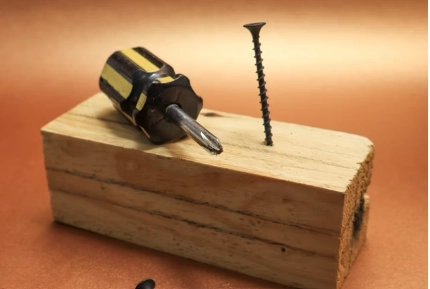
Structural Characteristics and Material Composition
A standard wood screw has three key sections: the head, the shank, and the threaded part. The head style—flat, round, or oval—sets how it rests on the surface. The shank gives a smooth area without threads. This pulls two pieces close together. The threads dig into the wood for strong hold. Stainless steel fights rust well for outside jobs. Brass works great for looks because of its nice color and easy cutting. Coated metal mixes toughness with guards against rust. How the screw is built matters a lot with wood hardness. Coarse threads grab softwoods better. Fine threads fit hardwoods nicely. They cut down on the chance of cracks along the wood lines.
Mechanical Function in Load Distribution
Wood screws spread out forces in shear and pull ways. You turn a screw into a joint. Its threads catch the wood fibers. This turns twisting power into straight pulling force. How deep the threads go sets how much the joint fights against being pulled out when stressed. Shear strength checks how it holds against side pushes on the shank. Tensile strength checks pull along its length. Both matter a lot in strong joinery like stairs or cabinet frames. For example, in a busy home staircase, these forces keep steps safe day after day.
Compatibility With Modern Joinery Techniques
New joinery uses parts cut by machines or fake woods like MDF and layered panels. Screws need to match up exactly with holes drilled ahead or paths made by computers. In joints that mix glue with screws, the screws hold things tight while the glue sets. Right placement spreads forces evenly. It stops crushing in one spot on the fibers. This is key in fancy furniture making where fits are very close. Think of a sleek modern cabinet—every screw must sit just right to avoid wobbles.
Why Are Wood Screws Preferred Over Other Fastening Methods?
People pick wood screws because they mix good grip, the ability to take them out, and exact control when putting things together. Nails or dowels depend on rubbing or glue only. Screws make strong locks that you can tweak or remove without breaking parts. Plus, in my experience from shop work, they just feel more reliable for everyday fixes.
Comparative Performance With Nails and Dowels
Screws beat nails at staying put when pulled out. Their twisty threads sink deep into wood fibers. They don’t just count on surface rub. Against dowels stuck with glue, screws let you take things apart for fixes or changes. This keeps the strength intact. Over years, the metal holds shape better than glue hit by changing wet or heat levels.
Efficiency in Assembly and Disassembly Processes
In piece-together furniture or ready-made buildings, screws make fast setup with electric drivers or auto feeders. They cut down wait time. They keep the turning force the same in many joints. You can use them again. This helps the planet since parts come off for reuse or recycle, not just trash.
Precision Control in Structural Alignment
Turning force sets how tight the clamp is. This matters when lining up boards or frames in cabinet jobs. Screws turned just right stop too much squeeze that warps flat spots. Glue-only joins don’t let small tweaks during setup. Screw setups do. You can adjust a bit after first tighten to get lines perfect. It’s like fine-tuning a door frame so it swings smooth without gaps.
How Do Different Types of Wood Screws Serve Specialized Joinery Needs?
Various head shapes on screws fill special jobs and looks based on what the project needs. From hidden flat ends to showy details.
Flat Head Screws for Flush Finishes
Flat head screws have cone-shaped tops for sinking in. They sit even with or under the surface when put in. You see them in cabinet fronts or floors where smooth looks count. Head angle changes fit different wood toughness. Softer woods like wider angles. This cuts down on smashing fibers when driving. In a kitchen remodel, they hide nicely under counters.
Round Head Screws for Decorative or Surface Applications
Round head screws show after install. Folks choose them when the screw look matches other metal parts. Like in old-style fixes or open wood trim on buildings. They sit on top of the surface. So the turning force spreads mostly under the head edge, not just in the buried threads.
Self-Tapping Screws for Engineered Woods and Composites
Self-tapping screws make their own threads as they go in. This skips drilling first when using MDF or plywood sheets. They save work time. But watch the speed. Too much rub can make heat. That leads to rips in fibers near the start hole. I’ve seen this in shop tests—slow and steady works best.
What Factors Determine the Optimal Selection of Wood Screws?
Picking the right screw means weighing size, thread style, what it’s made from, and weather it faces. All these affect how long it lasts.
Dimensional Considerations: Length and Diameter Ratios
A good rule is to have at least two-thirds of the screw length go into the bottom piece. This gives top hold without poking out the other side. Too big a width can crack thin wood. Too small may wear out threads when loaded. Keep drive depth in check. This stops pushing too far and squashing fibers near holes. Say for a 1-inch thick board, aim for a 1.5-inch screw to get that solid grip.
Thread Type and Pitch Configuration Choices
Coarse-thread screws fit softwoods. They need deep bite to stay tight with shakes. Fine-thread ones shine in thick hardwoods. They slide in easy with less turn power. Mix thread types work for layered stuff like plywood with wood covers.
Environmental Exposure and Corrosion Resistance Requirements
For outside spots, you want finishes that fight rust like zinc cover or ceramic layers. These guard against wet-caused rust. In sea areas with salt, pick stainless steel like 316 grade. It lasts longer even if it costs more. Coastal decks prove this—regular steel fails fast, but stainless holds up seasons.
How Does Screw Drive Design Influence Performance?
The drive shape changes how torque passes on. It also affects ease of use in repeat jobs. This counts big in pro shops where exact work happens every day.
Common Drive Styles in Professional Joinery
Phillips drives are common but slip easy under big turn. Pozidriv adds lines for better hold and less slide. Torx or star drives lead in factory wood work. They pass strong torque with little bit wear in long runs.
Ergonomic Considerations During Installation
Less slip gives better hand control. This helps when putting in lots of screws in a day with power tools. Even turn keeps wrist easy and clamp pressure the same in joints. It’s a small thing but builds up if you’re tired halfway through a big build.
Maintenance Implications of Drive Type Selection
Easy reach for drives matters in fixes. Odd shapes make take-out hard if you lack the right tool on site. Common drives speed up care jobs across shop tools. They stop harm from wrong bits in service.
In What Ways Do Wood Screws Enhance Structural Durability?
How long a build lasts ties to screw quality and how they deal with changing stresses. From repeat pushes to wood swelling in wet.
Reinforcement Against Mechanical Stress Cycles
Use makes joints move a bit over and over in furniture. Well-put screws take these small shifts with bend. They stop early come-loose unlike glue joins that crack when stick tires from shakes.
Moisture-Induced Expansion Compensation Mechanisms
Wood grows in wet air. Screw joints flex to match these size changes without lasting bends. Metal give lets small moves stay safe. Pair with soft seals around outside parts for best results. In humid spots like bathrooms, this keeps cabinets from warping.
Long-Term Stability Under Dynamic Loads
Build joins hit by shakes, like stair steps or shelf on walls, gain from no-loose tricks. Serrated threads with lock washers keep tight pull over years. Check them now and then in looks for safe keep.
How Is Innovation Shaping the Future of Wood Screw Technology?
New ideas in materials and machines are changing wood screws. From better covers against rust to computer links for exact put-together in big lots. It’s exciting—soon screws might even sense their own tightness.
Advanced Materials Engineering
Fasteners with mix covers now layer plastic over metal for better rust fight and less rub when driving. New tiny treatments on surfaces stretch life by cutting small scratches. This helps a lot in outside builds open to all weather all year.
Automation Integration in Precision Joinery
Auto drivers with turn feelers watch each screw in. They keep seat depth the same in batches. This is must for machine-made furniture lines that need same quality every time. Data tracks each joint in computer flows for smart making.
Emerging Design Trends Enhancing Efficiency
Tiny screw sizes help light builds in small furniture. Self-guide tips make line-up easy. They cut need for start holes even in thick fake woods. This speeds test makes without losing fit truth. It’s key for custom work markets shifting to quick change ways. In small workshops, these save hours on prototypes.
FAQ
Q1: What makes wood screws different from other fasteners?
A: They create mechanical interlocks through threaded engagement rather than relying solely on friction or adhesives like nails or dowels do.
Q2: How do I choose between coarse and fine thread types?
A: Use coarse threads for softwoods needing deeper grip; select fine threads for hardwoods requiring smoother insertion without splitting grain fibers.
Q3: Why is stainless steel preferred outdoors?
A: It resists corrosion caused by moisture exposure far better than untreated carbon steel making it ideal for exterior fixtures.
Q4: Can self-tapping wood screws be reused?
A: Yes but repeated removal may enlarge holes slightly reducing holding strength unless reinforced inserts are added before reinstallation.
Q5: What’s the advantage of Torx drives over Phillips?
A: Torx drives transmit higher torque efficiently with less slippage minimizing bit wear during continuous industrial use sessions.


