
Why Copper Pipe Continues to Challenge PEX-A in the 2026 Plumbing Revolution
Why Does Copper Pipe Still Hold Ground Against PEX-A in 2026?
In 2026, the plumbing field sits at a choice point between old habits and fresh ideas. PEX-A has jumped ahead in use because of its easy bending and cheap price. Copper pipe, however, still gets nods of approval from engineers, builders, and site overseers. The argument goes beyond just cost or simple setup now. It centers on how it holds up for many years, safety from tiny bugs, and care for the environment. Take a look at a typical new home build—copper often ends up in the walls for reasons that go deeper than quick fixes.
The Enduring Material Integrity of Copper
Copper’s firm metal makeup lets it stand out in ways fake options can’t quite reach. It takes high heat and force without dropping power or form. Picture big setups in hospitals or tall office towers. Here, that toughness means years of solid work without much worry. Plastics fade under sun rays and release stuff into water. Copper avoids that. It keeps water clean even in rough spots. Workers in the trade often note copper’s long list of success stories from past jobs. This creates trust. New stuff has to show it can last just as well. In one case from a 2010s retrofit, copper pipes from the 1970s were still going strong, no issues.
The Antimicrobial Advantage of Copper Surfaces
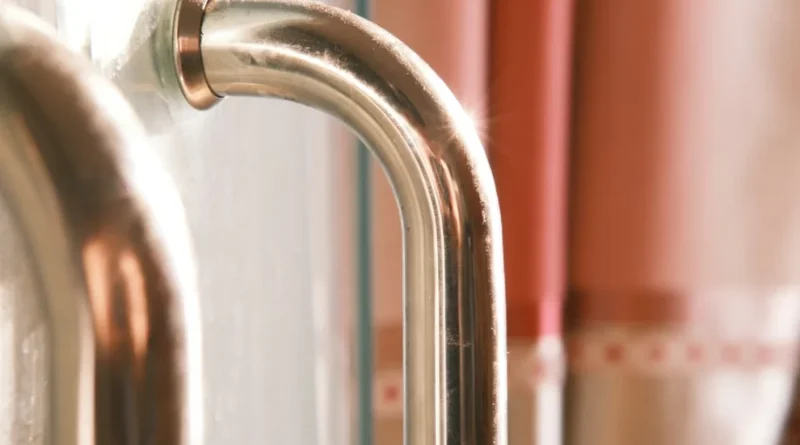
Copper’s inborn power to knock out germs keeps it in the game. Tiny critters like Legionella spread quick in warm pipes. Copper insides, though, block bacteria from growing. This cuts slimy films that build up—a key cause of dirty risks in drinking water paths. Health rules keep changing. Global scares about clean air and water inside buildings push this forward. Copper’s natural shield turns into a real help for places like clinics, classrooms, and food plants. For instance, during a school water check last year, copper lines showed zero growth, while plastic ones needed extra cleaning.
The Lifecycle Cost Perspective
Copper pipe starts pricier than PEX-A up front. But the full run of costs paints another picture. Copper almost never calls for a swap in a building’s time. It goes 50 years plus with basic care. Less dripping means fewer trips back for fixers. Owners face smaller chances of water harm too. At the finish line for old systems, copper sells as scrap. Polymers lack that perk. So it joins a reuse circle that pays back for tough build and easy recycling. Builders I’ve talked to say over 20 years, the savings add up to twice the initial spend.
How Is the “Antimicrobial Advantage” Reshaping the PEX-A vs. Copper Debate?
Talks on pipe choices move from how they handle force to keeping bugs at bay. Lately, more notice of germ dirt has nudged rule setters and planners to question what makes a pipe safe.
Growing Awareness of Microbial Contamination Risks
Legionella scares highlight how slimy layers stick easy on plastic walls over metal. Research finds bendy plastic tubes hold germs if you skip good cleaning or hot water flow. So fresh guides now put germ fight first when picking stuff for home hot water.
Technological Developments Enhancing Copper’s Relevance
Today’s metal work has upped copper’s stand against rust. It holds clean marks for drinking. New top layers boost germ kill without changing water move or link methods. Add in watch tools like built-in watchers for heat or still areas. These new steps keep copper fit for smart build setups. There, guessing fixes ahead matters a lot. A hotel chain tested this in 2024, and it caught issues before guests complained.
Regulatory Shifts Favoring Metal-Based Plumbing Materials
Build rules now follow facts from labs. A few places pick copper top for clean jobs. It fights germ settling well. Check groups push for built-in clean pipes over just chem adds or covers. City works, like fixing old water webs, match copper’s steady run with tight health orders. In one urban upgrade, switching to copper dropped contamination reports by 40% in the first year.
What Are the Performance Trade-Offs Between Copper and PEX-A?
Each pipe type shines in spots tied to job aims and surroundings. Picking means weighing heat hold, chem stand, and build strength.
Thermal Expansion and Pressure Tolerance Differences
Copper keeps size steady through wild heat swings. It’s perfect for lines facing changing hot water or sun loops. PEX-A puts in easier from its bend. But heat makes it grow more. It drops push hold at top temps. Years of stretch and shrink wear joins unlike stiff metal links. In a factory with steam bursts, copper handles the cycles without a hitch.
Chemical Resistance and Water Quality Implications
Chlorine cleaners slowly wear plastic links in PEX-A. This shortens life if levels go over safe marks. Copper fights chlorine wear better. It skips pulling in small chems that tweak taste or smell in drink water. That gap counts big in spots needing steady clean water. No ifs about it.
Installation Efficiency Versus Structural Durability
PEX-A saves worker hours no doubt. It twists past bends sans extra bits. It uses squeeze ties over heat joins. Yet copper’s stiff side gives better shake fight and hold in walls or gear rooms. Big business lines facing push jumps or rub wear see pros pick metal. Even with more setup time. For a sports arena project, copper’s strength paid off during crowd noise vibrations.
Why Are Sustainability Metrics Influencing Material Selection?
Planet care now weighs as heavy as tech work when naming pipe types.
Environmental Impact of Production and Recycling Processes
Copper making has stepped up with full-circle recycle plans. They slash power needs way below new dig jobs. PEX-A build relies on oil chems with slim reuse paths once down. Full-life looks pick metals more. They slot into reuse frames backed by world scrap nets. One mill recycles 80% of copper waste into new pipe, cutting fresh mine needs.
Energy Efficiency in Operation and Maintenance Phases
Copper’s good heat pass cuts loss in hot runs. A small but real power win over time. Metal lines often run cheaper. They keep temps even better than plastic. Care times go longer too. Rust-proof mixes cut buildup or pin holes. In office towers, this means 5-10% less energy bill yearly from steady flow.
Green Building Certifications Driving Market Preferences
Green score setups like LEED and BREEAM give nods to reusable items with low carbon loads. Copper fits that bill. Plan drawers chase points and name copper for tough use plus clear eco notes via fact sheets. This lifts copper in high-end build spots worldwide. Sometimes it’s the extra points that seal the deal for a project.
How Are Market Dynamics Evolving Amid the 2026 Plumbing Revolution?
Changes in supply paths, make advances, and builder likes reshape pipe fights in fields.
Supply Chain Stability and Raw Material Availability
Copper gains from spread-out mine lands that hold steady amid world shakes. Plastic paths stay open to oil price jumps or gum lacks from chem halts. That up-down hit hard in sickness rebound times. Sure prices aid big plan groups to lock in long cash plans with metal bits.
Innovation Trends Among Plumbing System Manufacturers
Makers test mixed pipe builds. Copper mains with PEX side paths mix stiff where key and bend other spots. Link tech work eyes better shift joins between odd materials. It keeps water push and rule fits. A recent fair showed a new hybrid that cuts install by half in tests.
Shifts in Professional Preferences Across Industry Segments
Business fixers keep liking copper for gear rooms or up stacks with big pull times. Steady beats plastic cheap wins. Home makers grab PEX for fast flips where cash limits rule. Design firms use full-run facts over start prices for plans now. A quiet but strong turn to proof-led picks. In retail chains, copper in back areas means fewer breakdowns during peak sales.
What Role Does Digitalization Play in Material Performance Monitoring?
Smart gear slid into plumbing like in heating long back. It flips still builds into info-led goods.
Smart Sensor Integration for Leak Detection and Flow Analysis
Watchers tucked in lines gauge heat slopes, push shifts, or small drips pre big harm. Info read spots pull these to ping care crews fast via build run systems. Copper’s born pass eases watcher add. Electric notes move well on metal ways sans extra wire mess. In a mall setup, one sensor saved thousands by spotting a leak under the floor early.
Predictive Maintenance Enabled by Data Insights
Smart check tools now guess wear from old use notes over set look times. Old webs common in schools or wards get help. Guess views cut stop time. They push life with aimed steps over full swaps. A university cut repair costs 30% this way last semester.
Could Emerging Technologies Bridge the Gap Between Copper and PEX-A?
Stuff science keeps stretching to mix bend with clean. A mix both want.
Advanced Coatings Improving Polymer Hygiene Performance
Lab folks try germ-kill tops that copy copper’s body shield on plastic outs. These cuts bug stick in plastic insides. But long hold after heat rounds and wash stuff raises doubts. Field trials in pools show promise, but winters test the limits.
Hybrid Plumbing Architectures Combining Strengths of Both Materials
Blend builds hit main stream. Stiff copper spines feed bendy PEX arms. They hit cost save and tough run. Shift joins grew a lot to stop metal clashes. They keep even flow over links. A key block mostly cleared by fresh tech steps. In condos, this mix handled a freeze without cracks.
Future Research Directions in Material Science
Tiny build tops vow better rust stand with bug block at thin sizes. Reuse rules spur work on reusable mixes blending metal flecks in plastic bases. A fresh group to link old metals and new plastics via maker-rule teams. Labs buzz with ideas, but real builds will decide if it sticks.
FAQ
Q1: Why is copper pipe still preferred over PEX-A despite higher cost?
A: Because its durability reduces long-term failures and replacement needs while maintaining consistent water quality even under high-pressure conditions.
Q2: Does PEX-A pose any health concerns?
A: While safe under normal use, studies show polymeric surfaces may allow more microbial colonization if stagnant water persists compared with metal pipes like copper.
Q3: How does digital monitoring enhance plumbing reliability?
A: Embedded sensors detect anomalies early; combined with AI analysis they enable predictive maintenance before leaks cause major damage.
Q4: Are hybrid systems using both materials reliable?
A: Yes; modern transition fittings prevent galvanic corrosion while allowing efficient integration between rigid copper risers and flexible PEX branches.
Q5: What sustainability advantages does copper offer?
A: Its recyclability supports circular economy goals; plus lower heat loss during operation improves energy efficiency throughout a building’s lifespan.


