
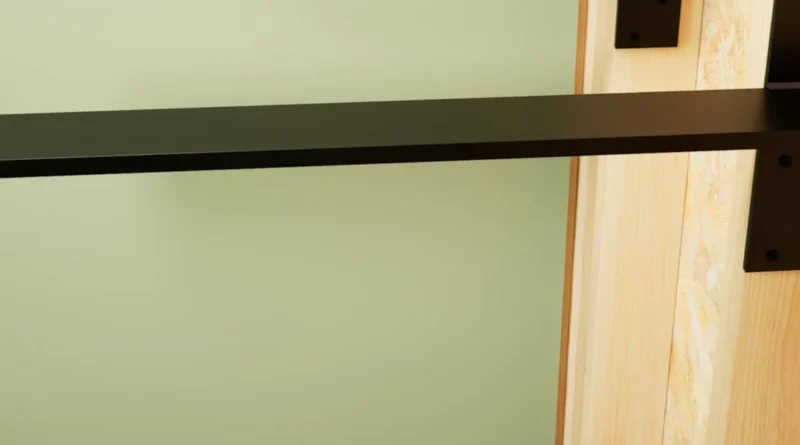
How to Evaluate Floating Shelf Bracket Materials for Structural Integrity
How to Choose the Best Floating Shelf Bracket
Floating shelf brackets hold up modern wall shelves without showing much hardware. Picking the right ones comes down to how much weight they can take, how tough the material is, and how well they go into the wall. For jobs that need real strength or look like part of the building, steel or stainless brackets with hidden rods that go into wall studs work best and stay steady.
Understanding the Structural Role of Floating Shelf Brackets
It helps to see how these brackets work with the wall and why their shape matters when weight sits on them.
The Mechanics Behind Load Distribution
A bracket moves both up and down forces and side to side forces from the shelf into the wall. Things placed on the shelf push down and try to bend the arms. At the same time the wall mounts feel a sliding force. When the brackets line up with studs or good anchors in brick or block, the load spreads out. This keeps the shelf from drooping much. A longer arm makes the bend stress grow fast. That is why thicker metal or stronger grades get used for bigger shelves. The shape of the arm, round tube or solid bar, changes how well the stress travels back to the wall plate.
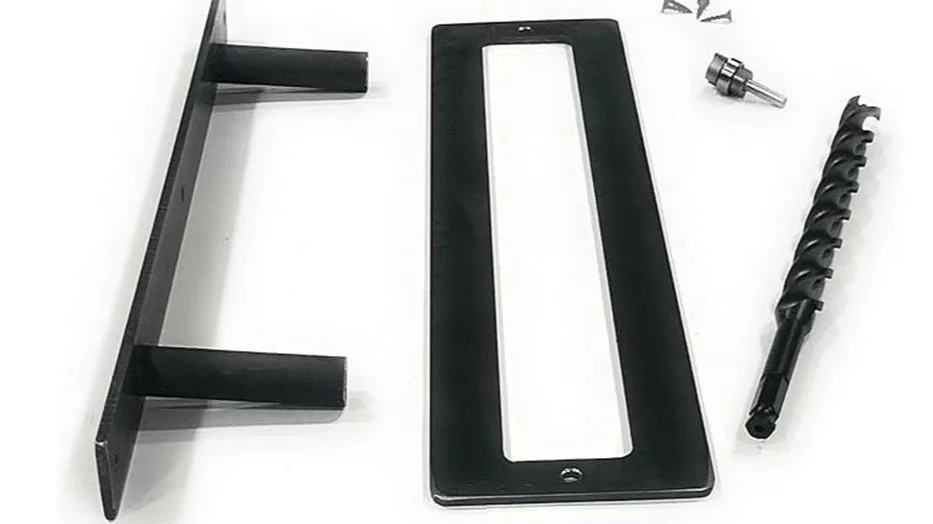
Material Strength and Its Effect on Structural Integrity
The metal you pick sets both how much weight works and how long the bracket lasts. Steel handles heavy loads without stretching or squeezing out of shape. Aluminum weighs less but bends easier under the same load. Stainless steel fights rust when the air stays damp. Parts that see the same push and pull over and over need metal that does not get tired. Coatings like powder paint or zinc keep the surface from wearing away, especially near the ocean where salt in the air speeds up rust.
Key Design Factors That Determine Load Capacity
The way a bracket is built decides how much weight it can hold before the shelf starts to look low in the middle or gives way. Arm shape, how it fastens to the wall, and what kind of wall all play a part.
Arm Length, Thickness, and Cross-Sectional Design
Short arms bend less but leave less room for deep shelves. Thick arms fight sag better yet can look heavier. A square or rectangular tube spreads the push and pull more evenly than a flat strip. For busy spots like kitchen shelves or store displays a solid bar may be needed even if it shows a bit more. Good design finds the middle ground between looks and strength instead of picking one and forgetting the other.
Mounting Mechanisms and Wall Compatibility
Hidden rods give the clean floating look because the metal sits inside the shelf wood or board. External brackets go on faster but you see the screws or plates. Drywall needs toggle bolts or anchors that spread behind the board. Brick or block takes sleeve anchors. Wood studs take long lag screws. When the holes line up straight the brackets share the load evenly. A small mistake here can twist one bracket more than the others and weaken the whole shelf over time.
Engineering Considerations for Heavy-Duty Applications
Shops, libraries, and big display walls need brackets that engineers have checked for real loads instead of just using the number on the box.
Calculating Safe Working Loads
Engineers take the point where the metal starts to stretch for good and divide by a safety number, often two to four. They then work out the bend effect from the arm length using simple beam math. This keeps any droop small even when the shelf is full. The safety number covers small differences in how the bracket was put in and the chance someone piles on extra weight later. Standards like the ANSI/BHMA A156 series give test numbers that makers follow for wall hardware.
Thermal Expansion and Environmental Factors
Metal grows and shrinks a little when rooms heat up or cool down. Over months this can loosen screws if the holes do not have a little play. Damp air behind the wall can also soften the board around the anchors. A bit of epoxy around each hole helps keep things tight in bathrooms or kitchens where steam shows up often. Good coatings, the same kind used on outdoor metal parts, help brackets last longer when indoor air changes a lot.
Manufacturing Quality and Precision Tolerances
How well a bracket is made tells the difference between cheap hardware and parts meant for buildings that stay up for years. Parts that fit exactly keep the shelf from moving when weight is added.
Fabrication Techniques that Enhance Strength
Welds join pieces strongly but the heat must stay controlled or the metal warps. Machined parts come out more exact but cost more for each one. Heat treating makes the surface hard while the inside stays tough enough to take a bump during install. Shot peening closes tiny cracks on the surface so they do not grow into breaks after many load cycles.
Quality Control and Testing Protocols
Checks look at how deep the weld went, measure every part to within half a millimeter, and scan the finish for thin spots or scratches. Load tests add weight step by step until the arm moves a set amount. The results show if the printed rating matches what really happens. Papers that trace the batch back to the mill give buyers proof the metal meets the same rules every time, much like safety marks on electrical gear.
Aesthetic Integration with Functional Performance
Modern rooms want brackets that almost disappear yet still hold real weight like factory parts. Reaching both goals takes planning between the look of the shelf and the strength numbers from the start.
Balancing Visual Minimalism with Engineering Demands
To keep the floating feel, steel arms sit deep inside the shelf board while the wall end stays flush. Even small gaps or off-center holes show up fast on plain walls. Matte black or brushed nickel finishes hide fingerprints and stand up to cleaning sprays in cafés or galleries where shelves also act as display space.
Customization for Specialized Installations
Custom brackets can fit stone tops or glass panels that need glue instead of screws around the rods. Systems that let you move brackets without losing the rated load work well in stores that change layouts every season. Some newer arms even hide small LED strips or wires so the shelf lights up without extra boxes on the wall.
FAQ
Q1: How much weight can a typical floating shelf bracket hold?
A: Normal steel brackets fixed into studs carry 40 to 70 kg per pair when the arm is not too long. Heavy welded versions can go past 100 kg if the wall anchors sit right.
Q2: Which material lasts longest in humid environments?
A: Stainless grades 304 or 316 hold up best because they resist rust. Aluminum can start to pit faster in salty air unless it has an anodized layer.
Q3: What causes shelves to sag even when using strong brackets?
A: Shelves often sag when the brackets miss the studs, when the space between brackets is too wide, or when the shelf board itself is soft wood that slowly bends under steady weight.
Q4: Are concealed rod brackets suitable for concrete walls?
A: Yes, as long as good sleeve anchors go in and the holes are drilled straight so the rods sit at full depth.
Q5: How often should installed brackets be inspected?
A: Once a year works for most shops. Look for loose screws from vibration or from rooms that warm and coo


