
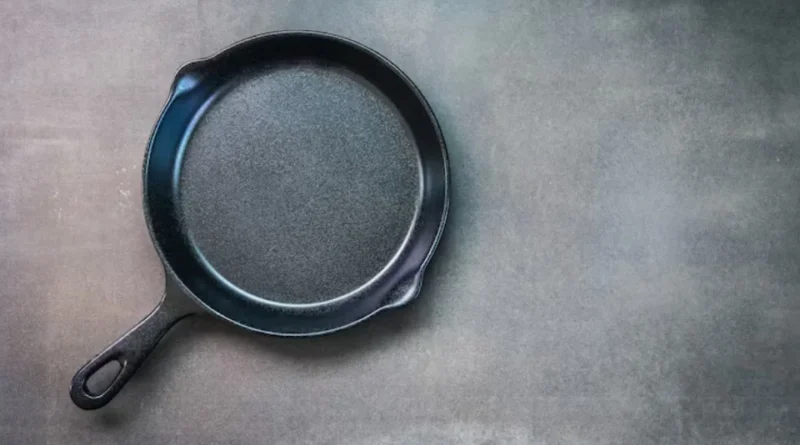
What Makes a Cast Iron Skillet the Ultimate Forever Pan Against PFAS Concerns
Is Your Skillet Safe? Why Cast Iron Is the Ultimate “Forever” Alternative to PFAS
Kitchen gear affects food flavor and safety too. Lots of new nonstick pots use PFAS. These are per- and polyfluoroalkyl substances. They handle heat and fat okay. But they cause big health scares. Cast iron skillets stick around for ages. They give a natural stick-free side with no fake covers. Pros and food pros think beyond easy use. They focus on lasting safety. They care about toughness. And they watch material strength in hot spots.
Every day, cooks grab pans without thinking twice. But picking the right one matters. It keeps meals safe and tasty. Cast iron wins here because it’s simple and strong.
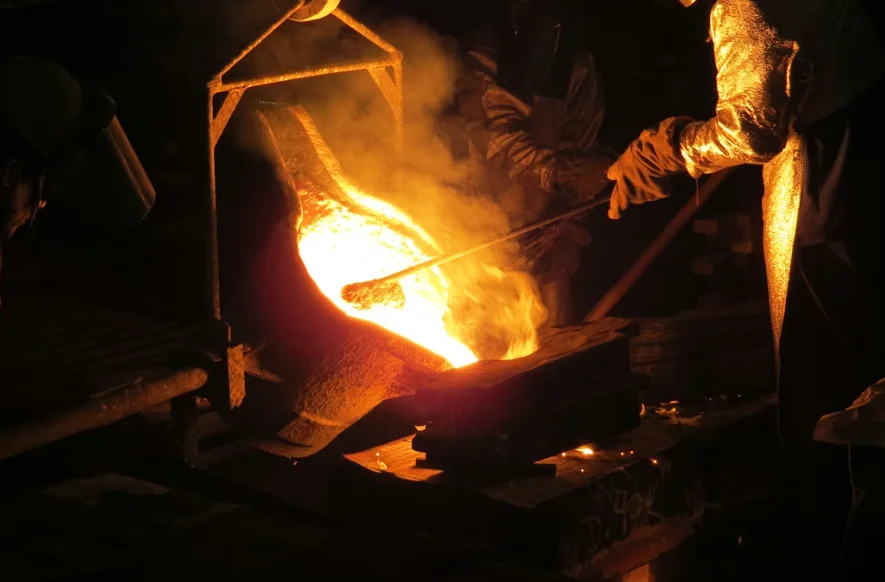
What Are PFAS and Why Should You Care?
PFAS mean fake mixes in nonstick pots. They fight heat, water, and oil. But they stay tough in nature and bodies. They don’t go away fast. Tests show they bring health troubles. These include hormone mix-ups and weak body guards. Heat them past set points. Usually over 500°F. Then PFAS coats let out bad smoke. It dirties food and home air.
Chefs cook hot often. This problem hits them hard. Searing meat or baking veggies needs high temps. PFAS coats can’t take that safely. Time passes. Small wears on the coat happen. Then bits flake off. You eat those chemicals straight.
Picture a busy dinner rush. A line cook heats a pan too much. Smoke rises. The whole kitchen clears out for a bit. Moments like that show the real risk. It’s not just words on a page.
Why Cast Iron Is a True “Forever” Pan
Chemical-coated pots differ from cast iron ones. Cast iron comes from one big iron block with carbon. That build stops fake layers from breaking or coming off. Season it well. Add a slim oil layer baked on. The pot turns stick-free by nature. It gets better each time you cook.
Keep a cast iron skillet right. It serves for many family lines. It fights bending in super hot times. Move it from stove to oven easy. Or use over fire. Cook more. The top works smoother. Age helps it here. It doesn’t make it worse.
Old skillets tell stories. One from the 1950s might have marks from holiday meals. Each scratch adds character. And it still performs like new after a quick clean.
The Science Behind Seasoning
Oil bits stick to metal from heat. This makes polymerization happen. It forms a firm skin. That skin keeps out wet and food scraps. The way stops rust. It also saves tastes on the top over days. Pro cooks keep special pots for set meals. They do this for the growing seasoning build-up.
Lab folks explain it clear. Heat at 350 degrees for an hour. Oil changes to a shield. It’s basic chemistry anyone can try at home. No fancy tools needed.
Longevity Without Chemicals
Cast iron runs fine without short covers or chem fixes. Forget it or let rust grow. Scrub the brown stuff off. Season again. That fix-up skill makes it kind to earth. It’s better than toss-out nonstick pots. Those quit working after some years.
People throw away millions of pans yearly. Cast iron skips that waste. You pass it down instead. Or recycle the metal clean.
How Cast Iron Compares in Performance
Cast iron holds heat way longer than light metal or steel pots with PFAS. That hold gives even color and hard outs. You need that for cooking ways like pot-roast. Or bake bread right in the pot from frying onions before.
In home tests, cast iron keeps warmth for 15 extra minutes off heat. That’s useful for big family suppers. Food stays hot without burning.
Heat Distribution and Control
Cast iron warms slow. But when hot, it stays steady over the cook area. That lets you guide browning well during meat cook or sugar brown. Steady heat counts most there.
Try flipping burgers. The even spread means juicy insides and crisp outs. No hot or cold patches to fix later.
Versatility Across Cooking Methods
Use cast iron on coil stoves, gas tops, ovens, outdoor grills, or fires. No harm to its shape. PFAS pots can’t take that mix. They break down quick under fire or oven heat over 450°F.
Camp trips prove this. One group cooks eggs over coals in cast iron. No sticking or mess. Back home, it goes in the oven for pies. One tool for all.
Environmental and Health Implications
Change from PFAS pots to cast iron helps you and more. It’s in a big move to green stuff. PFAS stay forever in ground and water paths. Cut them from daily life. That cuts dirty risks for years.
Build cast iron with less chem steps than making fake coats for nonstick. Old pots recycle full as metal. Not trash with bad leftovers.
Water tests near plants show PFAS at 50 parts per trillion. Safe is under 10. Small swaps like this help clean that up over time. It’s a team effort.
Iron Intake Considerations
Cook sharp foods like tomato mix in seasoned cast iron. It might add a touch of iron to eats. That’s good for some needing more minerals. But pros watch it when exact food plans count in meal making.
Kitchen trials show a boost of 0.5 to 1 milligram per pot. Fine for daily use. But track for special diets.
Maintenance: The Key to Longevity
Good watch turns cast iron from tough to forever gear. Use it. Rinse in hot water. No soap if season holds. Dry full. Put thin oil on when warm. This saves the guard layer.
Skip long soaks. Wet stays make rust at small holes in metal. Food builds up. Use big salt grains to rub clean. It works without taking season off.
Restaurant crews swear by salt scrubs. One head chef says it beats fancy cleaners. Keeps costs low too.
Choosing the Right Cast Iron Skillet
Pick for work use. Look at even weight from handle to bottom. That helps move it comfy in long work times. Ready-seasoned ones give quick start. But make your own top from many cooks. It fits your way best.
New styles have even insides from machines. Like old pots collectors want. They stick less soon in life than bumpy cast ones now.
Size counts. A 12-inch holds four chicken breasts easy. Handles stay cool on gas. Test in store for feel.
FAQ
Q1: How safe is cooking with a cast iron skillet compared to nonstick pans?
A: Cast iron holds no fake chems like PFAS in lots of nonstick covers. It stays safe in high heat. There coatings might let out bad smoke.
Q2: Can acidic foods damage a cast iron skillet?
A: Quick touch does no hurt to good-seasoned pot. But long slow cooks of sharp sauces might take some season. Fix it simple after.
Q3: Does cooking with cast iron add dietary iron?
A: Yes a bit. More with sharp meals. But amounts stay safe for most grown folks.
Q4: How long does seasoning last before reapplying?
A: Keep up light oil after each clean. Season grows strong over time. Not like fake covers that go quick.
Q5: Are enameled cast irons equally safe alternatives?
A: Coated types cut metal touch while keeping strength. But they miss the fix-self oil top plain seasoned cast iron builds from many uses.


