
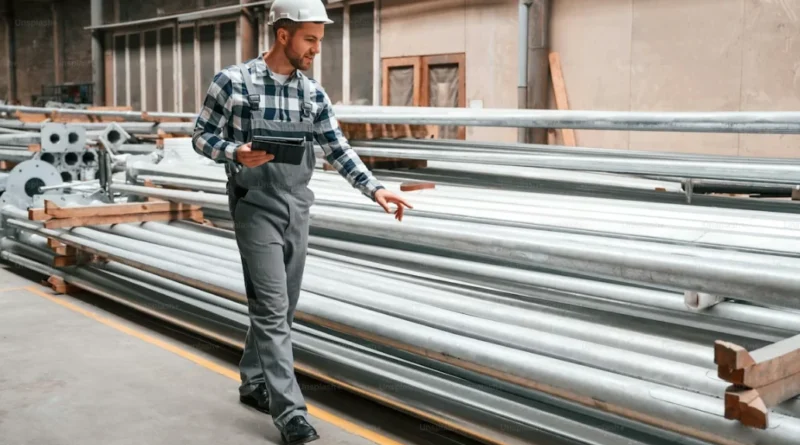
Why Galvanized Pipe Fittings Are Regaining Prominence in Industrial Architecture
Why Are Galvanized Pipe Fittings Gaining Renewed Attention in Industrial Architecture?
Industrial architecture always mixes strength, speed, and good looks. Lately, galvanized pipe fittings have come back strong as a top pick for real-world jobs and style points. Their mix of toughness, low price, and rough factory vibe matches well with today’s building ideas that focus on lasting a long time and being kind to the earth. Think about old factories turned into trendy lofts—those fittings often show up there, adding that real industrial feel without much hassle.
Corrosion Resistance and Long-Term Durability
Galvanized pipe fittings get a zinc cover that blocks rust and wear from air. This cover mixes with weather stuff to make a tough skin that fights off rust in tough spots. So, they last way longer and don’t need fixes or swaps often. In big setups like chemical plants, water cleanup spots, or making factories, this toughness cuts down on running costs and boosts how well things work over years. Plus, the zinc helps build green setups by cutting down on trash from parts that break too soon. For example, in a busy water plant near the coast, these fittings hold up against salty air for over 20 years, saving owners a bundle in repairs.
Compatibility With Modern Industrial Systems
These fittings are getting fresh notice because they fit right in with all sorts of pipe stuff in new setups. Regular threads on galvanized parts let them hook up easy with steel, copper, or some mixed pipes. This easy match makes putting them in simpler during updates or adds where different materials mix a lot. In heating and cooling lines, water pipes, and frame builds, this flexibility cuts time on the job site. It also makes planning the whole system less of a headache. I recall a project where a team swapped old pipes for these—installation took half the day they planned.
Aesthetic Appeal in Industrial Design Trends
Aside from the hard facts, galvanized pipe fittings catch the eye of builders for their look. The plain metal shine goes hand in hand with the open-frame style in new factory-like rooms. Builders often keep these parts out in the open to show off how metal rubs against concrete or wood. This way, they turn everyday work parts into part of the room’s story instead of hiding them away.
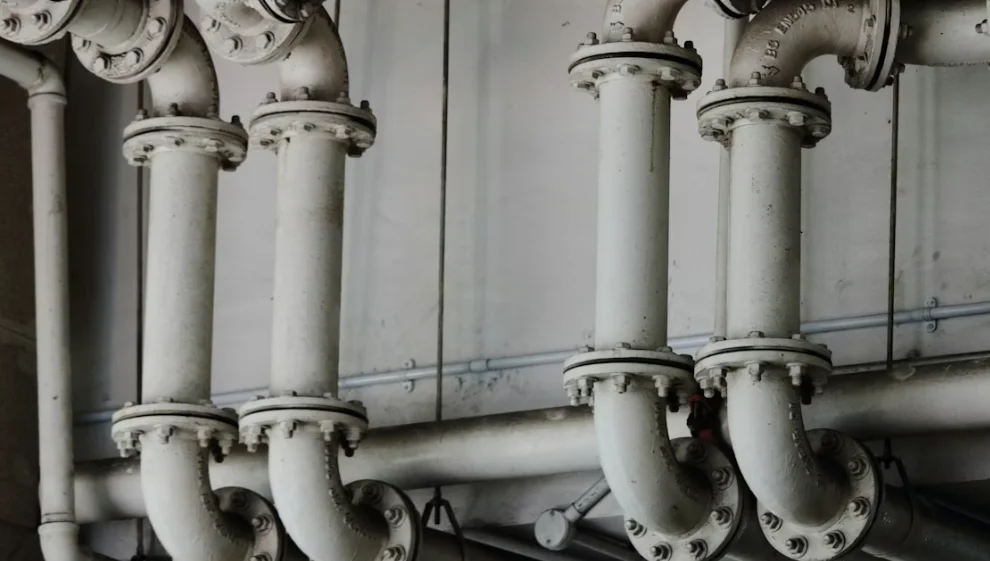
How Do Galvanized Pipe Fittings Contribute to Structural Integrity?
In building jobs where trust matters most, galvanized fittings help keep things solid for many years of hard use. They aren’t flashy, but they get the job done right, time after time.
Enhanced Load-Bearing Capacity
The zinc cover doesn’t just stop rust. It also makes the outside tougher against pulls and shakes. When folks use them in weight-holding parts or joint spots, these fittings add extra stiffness. That keeps everything straight even under heavy push or wobbles. This steady work helps meet safety rules in factory builds. In one case, a warehouse frame with these held up during a strong storm, no issues at all.
Resistance to Environmental Degradation
Outside jobs deal with wet air, salt from the sea, and dirty stuff all the time. These things speed up wear on materials. Galvanized tops fight back well by stopping tiny breaks at weak spots. So, they work great for beach-side plants or steamy spots like cooling towers or waste water lines where staying strong counts. Coastal factories often pick them for that reason— they’ve seen fittings last 15-25 years without much trouble.
Reduced Maintenance Requirements
Fix-up plans for factory spots can cost a lot if parts wear out fast. Galvanized pipe fittings need little care. The zinc fixes small cuts on its own through air reactions. You can count on them to work steady, which makes planning ahead easier. It also boosts money back through less stop time. Workers appreciate not having to climb ladders every few months for checks.
What Technological Advances Are Driving the Comeback of Galvanized Fittings?
The fresh buzz around galvanized pipe fittings comes from real steps forward in material know-how and making ways. It’s not just old memories pulling them back—new tricks make them better.
Innovations in Zinc Coating Processes
Today’s zinc covering methods get even layers better than the old soak ways from years back. These changes boost rust fight while cutting waste in making. Green covering steps also lower smoke by reusing zinc mixes and keeping chemicals from running off. That’s a big win for cleaner making goals. Factories now report up to 30% less waste with these updates.
Integration With Smart Manufacturing Systems
Machines that run on their own have changed how they make fittings now. Exact thread cutters run by computer guides give the same sizes in every bunch. This cuts mistakes from people and keeps connections tight without leaks. Info-based checks make making smoother and track everything from start to end. That’s key for fields with tough rules. In big plants, this means fewer bad batches and quicker fixes if something’s off.
Development of Hybrid Material Compositions
Some makers now blend galvanized steel with rust-proof mixes or added stuff to hit exact needs like more pull strength or less weight. They keep the rust block too. These mixed builds fill special wants, like top-notch frame supports or easy-swap pipe lines where power and bend both matter. Aerospace spots or quick-build plants love them for that balance.
Why Are Architects Reconsidering Galvanized Components in Design Projects?
With green ways at the heart of building thoughts, galvanized stuff gives a smart path to smart design without dropping the cool factor. It’s practical, and it just works.
Alignment With Sustainable Construction Practices
Galvanized steel lasts so long it cuts down on swapping parts out. That’s a main point for green build stamps like LEED or BREEAM. Steel recycles full without losing what it can do. So, using these parts helps the loop economy ideas that new build groups follow. One firm I know of got their green rating up just by switching to these in a big office redo.
Visual Integration With Industrial Aesthetics
Builders more and more show off metal frames inside rooms to make things feel real and deep. The soft silver-gray of galvanized tops bounces light gently. It pairs well with plain stuff like concrete or old wood. This mix of feel and shine gives rooms a lively but solid vibe. Folks chase that in fix-up jobs for old spots. It’s like adding character without trying too hard.
Cost Efficiency Across Project Lifecycles
Upfront price might top plain steel a bit. But savings build up from less fix work over many years. Builders like this mix of start cash and long pay-off. That’s true especially for big jobs like shipping centers or power spots where swapping parts gets tricky. Over 10 years, costs can drop by 40% in some setups, based on real project reports.
How Do Galvanized Pipe Fittings Compare to Alternative Materials?
Picking materials often weighs what you expect from them against money limits and weather types. Galvanized ones hold their own in most cases.
Comparison With Stainless Steel Components
Stainless steel fights rust best but costs more because of add-ins like nickel and chromium. In milder spots—inside pipes or covered frames—galvanized pipe fittings last about as long for much less money per piece put in. For a mid-size factory, that could save thousands without losing safety.
Evaluation Against Plastic or Composite Fittings
Plastic picks might win for light jobs but can’t take heavy pulls in factory work. Mixed stuff can break down from sun rays or wild heat over time. Galvanized steel keeps its build strength in all sorts of weather, from dry lands to sea sides. It’s the go-to for spots that see real action.
Performance Under Different Environmental Conditions
Galvanization works well inside or out. Its self-cover zinc mix forms when air and wet touch it. This fits setups from shop floors to open build nets around the world. In rainy areas, they’ve proven reliable for decades.
What Role Do Regulations and Standards Play in This Resurgence?
Rule books have a quiet but strong hand in picking materials for build fields around the globe. They nudge things toward better choices.
Compliance With Updated Industrial Codes
Lots of new build rules now okay galvanized stuff as safe picks. They have a solid history of holding up under weights. Stamps from top groups back today’s covering ways as hitting hard world marks for quality. This makes approvals quicker for projects.
Influence of Environmental Regulations on Material Selection
Governments push harder on smoke and recycle aims. So, need grows for metals that reuse easy without bad leftovers. Low-smoke covering fits these aims by cutting carbon marks in making steps. It also backs recycle plans at the end. It’s a win for the planet and the wallet.
Standardization Across Global Supply Chains
Matched rules make it simple for big teams to get fitting parts from far places. No worry about wrong threads or spotty covers. That’s huge for teaming on big jobs like power lines or quick factories across borders. Smooth supply keeps things on track.
How Will the Future Shape the Use of Galvanized Pipe Fittings in Industrial Architecture?
Ahead, tech mixes will likely grow how galvanized parts fit into next big build systems. These will center on info links and easy-swap ideas. It’s exciting to see where it goes.
Emerging Applications in Smart Infrastructure
Tomorrow’s builds might have pipe nets with tiny sensors that watch rust live. They send fix alerts straight to bosses’ screens. This turns plain parts into smart helpers in the system. Imagine a plant that spots a weak spot before it breaks—saves time and money.
Expansion Into Modular Construction Frameworks
Quick-build ways are picking up speed worldwide for faster times. Pre-made sections now use fast-link galvanized joins. These make moving and putting together easy. They keep strength the same in off-site made units under steady watch. It’s like Lego for factories, but way stronger.
Potential Innovations in Coating Technology
Studies on tiny zinc covers hint at better stick power at small levels. They could boost rust fight past hot-soak ways now. Some labs test self-fix mixes that regrow cover after scrapes. This might double how long they last from today’s top stuff. In 5-10 years, we could see fittings that shrug off damage like it’s nothing.
FAQ
Q1: What makes galvanized pipe fittings suitable for industrial architecture?
A: Their rust fight, pull strength, and fit with many systems make them great for tough spots like factories or build nets.
Q2: Are galvanized fittings environmentally friendly?
A: Yes, they recycle easy and use clean covering steps that match green making rules.
Q3: How do they compare economically with stainless steel?
A: Stainless fights harder in bad spots, but galvanized gives better money value where tough weather isn’t a big deal.
Q4: Can these fittings be used outdoors?
A: Yes—they handle different wet levels and fight off salt air or dirt well.
Q5: What future innovations could improve galvanization further?
A: Things like tiny-tech covers and self-fix zinc mixes should stretch lasting way past now’s best marks.


