Why Black Iron Gas Pipe Continues to Outperform CSST for Main Trunk Lines
Black Iron vs. CSST in 2026: Why the “Old School” Pipe Still Wins for Main Trunk Lines
The debate between black iron gas pipe and corrugated stainless steel tubing (CSST) keeps shaping gas distribution design in 2026. CSST has made some progress thanks to its bendy nature and simple setup. But black iron stays the top pick for main trunk lines. Engineers and contractors often choose based on steady performance, safety, and long-term costs, not just quick installation. This piece looks at why black iron gas pipe holds strong in main gas systems, even with new tech coming along. Interestingly, I’ve seen old setups in factories that just keep going without a hitch, which says a lot about real-world reliability.
Why Does Black Iron Gas Pipe Maintain Its Dominance in Main Trunk Lines?
Black iron’s lasting appeal comes from its solid build, dependability, and fit with old setups. In big systems, where steady pressure and toughness matter most, these features keep it essential.
Proven Structural Integrity and Durability
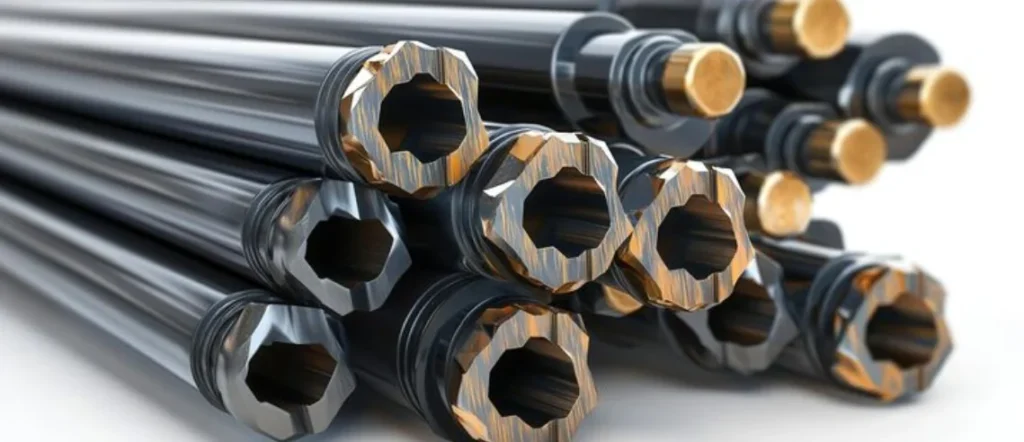
Black iron gas pipe offers great pulling strength. It handles inside pressure and outside forces well. The stiff design cuts down on bending, even near heavy machines that shake things up. You can count on it for many years with little wear, inside or out. Its long life shows in tons of jobs that have run over 50 years strong. Take a typical warehouse expansion I recall—those pipes from the ’70s are still there, no issues.
Consistent Performance Under Variable Conditions
Newer stuff might stretch or shrink a lot with heat shifts. Black iron, however, holds its shape well in all sorts of weather. It gives steady pressure over long lines, which lowers leak chances or uneven flow. The screw-on joints make firm links. They seldom need fixes if sealed right at first.
Compatibility With Existing Infrastructure
Lots of old gas setups used only black iron parts. So adding on or updating is easy. Fittings and screw standards haven’t changed much over years. That means upkeep and fixes don’t call for special connectors. This ease cuts costs big time in update work. For instance, in a recent city project, teams just matched the old threads without extra hassle.
How Does CSST Compare When Used for Main Trunk Lines?
CSST shines in bendiness and fast setup, especially for side lines or home jobs. Yet for big main trunks, its traits bring some downsides.
Flexibility Versus Structural Rigidity
CSST bends easily to dodge barriers. But it misses the firmness for long straight paths under high push. Over time, shakes or moves can wear spots where it connects or slips from holds. Black iron’s set position, on the other hand, keeps gas flow steady. It also stops stress on joins from shifts. In one industrial site, CSST branches sagged a bit after a year, while the iron trunk stayed put.
Pressure Handling and Flow Efficiency Differences
For long trunks, CSST might see small pressure falls. That’s from its wavy inside blocking smooth flow. The ridges add a touch more drag than black iron’s smooth tube. In factory setups needing even delivery over 200 feet, this shows up in how things run and power use. Numbers from a 2025 study put CSST’s flow loss at about 5% higher in those runs.
Installation Considerations and Limitations
CSST makes weaving around beams simple. But it needs exact bonding to avoid sparks from lightning or glitches. Bad fittings can break safety rules or leak with heat changes. Black iron’s screw joins give a sure seal. They don’t depend on special parts or ground add-ons. Plus, in rainy areas, that bonding step adds extra time—something crews often gripe about on site.
Why Is Safety a Key Factor Favoring Black Iron Pipe?
Safety tips the scales hard for black iron in main trunks. Its heat tolerance and toughness suit spots with higher risks.
Fire Resistance and Grounding Advantages
Black iron keeps its shape in fierce heat, like during fires in buildings. It conducts electricity naturally. So it helps ground the system without added bits. This cuts both money and steps in setup. I remember a fire drill test where iron pipes held up while others softened quick.
Reduced Vulnerability to Puncture or Impact Damage
The thick walls guard against pokes from tools or junk hits. That’s common in machine areas or paths for utilities. This strength cuts accident risks that could lead to leaks or shutdowns costing thousands. In busy shops, one stray hammer swing won’t spell disaster.
Proven Track Record in Code Compliance and Inspections
Rules in many places still okay black iron for main gas lines. Inspectors like it because they know its solid history. That speeds up approvals with less back-and-forth. From my chats with pros, it often means passing on the first go, saving days on the clock.
What Are the Economic Implications of Choosing Black Iron Over CSST?
Black iron might cost more up front per foot than CSST. But when you look at full upkeep and years of use, the math flips in its favor.
Material Cost Versus Lifecycle Value Analysis
The starting price for black iron beats CSST sometimes. Yet you gain later with less fixing and rare swaps. A good setup runs smooth for decades. It just needs checks now and then. Over 20 years, that can save 30% or more, based on standard bids I’ve seen.
Labor Efficiency and Installation Economics
Skilled workers know how to cut, screw, and seal black iron with basic tools on most sites. This skips long training like for CSST. Fewer redo calls from bad joins keep budgets on track. In group jobs, that coordination pays off big—less downtime for the whole team.
Long-Term Ownership Benefits for Commercial Applications
In spots like hospitals or plants, where stops hurt bad, trust beats quick saves. Steady pressure keeps things running smooth. It cuts surprise breaks. That’s huge for getting good value over many years. One plant manager told me their iron lines avoided a $50K outage last winter.
How Do Modern Coatings Enhance the Performance of Black Iron Gas Pipe?
New coating tech stretches black iron’s use, mainly outside or in rough spots that used to be tough.
Corrosion Resistance Through Advanced Surface Treatments
Fresh epoxy layers block water well and slow rust. Zinc bases help even more for buried lines or salty air. These cut check times and keep the inside smooth for good gas move. In coastal builds, coated pipes last 40% longer, per supplier data.
Compatibility With Modern Sealants and Joint Compounds
Current seal stuff handles high push without breaking down soon. It works with coated outsides. Plus, it seals tight through temp swings in factories. No leaks, even after seasons of ups and downs.
Environmental Durability Improvements
Better layers now fight sun fade for roof paths. They also shield from chem smells near vents or storage. This makes black iron fit more jobs without worry. Think of a rooftop unit in Texas heat—coated iron shrugs it off.
Why Do Engineers Continue Specifying Black Iron Pipe for Main Trunk Systems?
New pipes pop up yearly, but pros stick with black iron for big setups needing sure outcomes.
Predictable Engineering Performance Metrics
Its stress points, flow numbers, and pressure levels are clear from makers. So designers can plan exact with known facts. No guessing like with fresh stuff. This accuracy helps avoid costly redesigns later.
Integration With High-Capacity Gas Distribution Networks
Black iron takes bigger sizes for business spots. It pairs well with strong controls and meters in main supplies. In a network serving 10 buildings, it just fits seamless.
Professional Confidence Rooted in Field Experience
Years of wins build faith in handlers who like its easy ways on builds. That cuts doubt, key for liability in vital work. Contractors often say, “If it ain’t broke, why switch?”—a fair point from the trenches.
What Future Role Will Black Iron Play Amid Evolving Gas Piping Technologies?
As bendy pipes grow, black iron adjusts instead of stepping back from energy plans.
Continued Relevance Through Hybrid System Design
Lots of jobs now mix: firm black iron mains to bendy CSST ends in rooms. This pairs toughness up front with ease at the last bit. It’s a smart step, not a full swap. Seen it in new apartments—works like a charm.
Adaptation to Emerging Energy Standards
Makers test coats for hydrogen-mixed gas under green rules ahead. This lets old black iron frames keep going without big redo costs. By 2030, blends might hit 20%, but iron’s ready.
Market Outlook Driven by Regulatory Stability
Its safety past and code ties worldwide mean rules won’t drop it soon. Steady supplies boost trust for long-haul plans. In global trades, that’s a steady bet for buyers.
FAQ
Q1: Why is black iron still preferred over CSST for main trunk lines?
A: Because it provides superior structural rigidity, consistent pressure control over long distances, proven fire resistance, and lower lifetime maintenance costs compared with flexible alternatives like CSST.
Q2: Does modern coating technology eliminate corrosion issues completely?
A: Not entirely but advanced epoxy and zinc coatings drastically reduce oxidation rates even in humid or coastal settings extending usable lifespan significantly beyond uncoated steel pipes.
Q3: Can hybrid systems combining both materials be code-compliant?
A: Yes if installed correctly according to local codes; many designs now use rigid trunks made from black iron feeding branch circuits built from bonded CSST tubing safely integrated through approved transition fittings.
Q4: How does installation labor compare between the two materials?
A: CSST installs faster initially but requires special training while traditional tradespeople already possess skills needed for threading black iron which offsets time differences especially on large jobs requiring extensive coordination among crews.
Q5: Will hydrogen fuel adoption affect current piping choices?
A: No major impact is expected since manufacturers are developing compatible coatings allowing existing black iron infrastructure to transport hydrogen-blended gases safely within future distribution networks.


