

What Makes Electrical Disconnect Pliers Essential For Precision Work
The Role of Electrical Disconnect Pliers in Precision Work
Electrical disconnect pliers are far from ordinary hand tools. In work settings where accuracy, safety, and reliable results count a lot, they act as a vital link between your hands and sensitive electrical setups. Think about fixing a control panel, putting together wiring bundles, or dealing with aircraft connectors. The proper pliers can mean the difference between a smooth disconnection and expensive mistakes. I recall a time in a busy shop when a quick swap of tools saved hours of rework—small things like that stick with you.
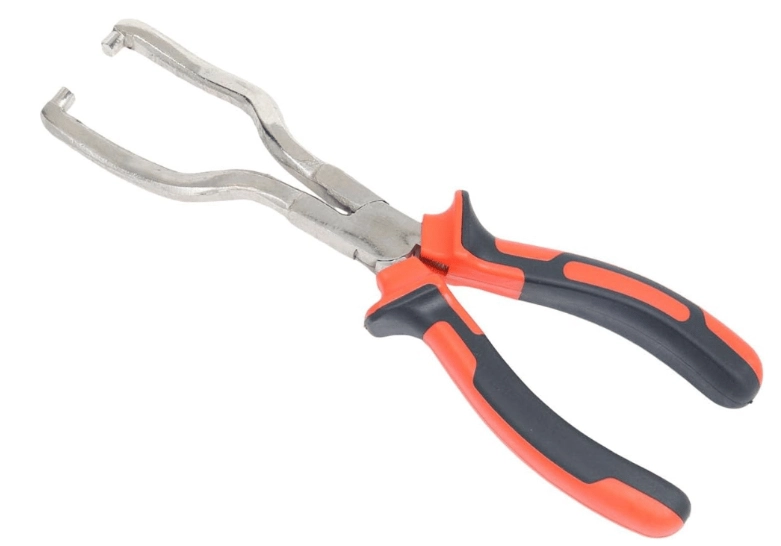
Defining Electrical Disconnect Pliers
Electrical disconnect pliers are special tools made to split electrical connectors without using too much strength or harming the ends. Regular pliers mostly grip and pull hard. But these have jaws formed to fit right into connector bodies. This setup lets you free locking tabs or clips with care. You keep total command over the pressure you use.
The big gap between usual pliers and electrical disconnect pliers comes from their custom shapes. Everyday pliers handle many jobs but miss the sharp points needed for detailed electrical tasks. Disconnect pliers usually have slim tips or angled jaws. These slide into narrow spots on connectors. That makes them great for cramped car panels or factory setups.
You see these tools in various fields. They show up in electrical upkeep, car fixes, and plane building lines. There, steady disconnections matter to stop bending of connectors or tiring out wires. In one factory I heard about, switching to better pliers cut down on wire breaks by nearly 20 percent over a year.
The Engineering Behind Their Design
Every set of top-quality electrical disconnect pliers hides smart planning around materials and comfort for the user. They often use strong steel like high-carbon or chrome-vanadium mixes. These hold up against daily wear and keep the jaws straight after many uses. How long the tool lasts ties straight to the metal’s toughness and exact cutting in the factory.
Comfortable handles matter just as much. They shape to spread out the squeeze from your fingers evenly. This cuts down on hand tiredness during repeated jobs. Certain types add two-layer grips with soft rubber-like covers. These give protection from shocks and a nice feel. It’s a tiny touch, but it helps when you’re stuck in tight boxes for hours on end.
Exactly cut jaws make sure you connect well with ends or connector shells. A small off-center spot can spread force unevenly. That might hurt fine pins or holes in today’s electronic parts. From my experience watching techs, a well-made jaw can handle thousands of pulls without a hitch.
Key Features That Enhance Precision and Efficiency
When you work with connectors that carry active power or weak signal wires, getting it right is a must. Electrical disconnect pliers build in several parts to help you get steady outcomes in a safe and quick way. Not every tool does this as well, but these stand out in real jobs.
Controlled Force Application
A key trait of good disconnect pliers is how they put force in a steady manner without smashing parts. Built-in springs often manage jaw tightness. So the push stays even through the whole movement. This evenness stops too much stress on plastic shells or twisting of end pins.
Balance in twisting force counts in touchy jobs like those in sensor boxes or link setups. These tools give you a sense of touch through the handles. You feel when a connector lets go right, instead of just hoping. In a car repair shop, this feedback once helped spot a loose wire before it caused a bigger issue.
Spot-on force handling boosts safety too. It lowers the chance of slips that might spark shorts or hurt your hands. This is key near powered systems. Plus, it saves time in the long run by avoiding fixes from bad pulls.
Insulation and Safety Considerations
Handles with insulation do more than feel good. They stand as the main guard against shocks from electricity. Top electrical disconnect pliers meet rules on voltage from groups like IEC 60900 for tools used on live wires.
To keep the insulation strong, check it often for breaks or dirt from oils and cleaners. These can wear down the safe layers bit by bit. Wash with soft soaps and keep tools out of bright sun to make them last longer. I’ve seen tools fail after just months in dirty garages, so this step is worth it.
Adaptability to Various Connector Types
Today’s gear uses all sorts of connector styles. From tiny plugs for plane signals to tough power links in factory machines. To fit this range, makers create jaws you can switch out for exact end shapes.
Some kinds have fast-swap systems. You change jaw parts in moments. This cuts wait time in jobs with many connectors. In car checks, angled jaws reach hidden spots behind the dash. Straight entry just won’t work there. One mechanic told me how this saved him from pulling apart half the panel once.
Comparing Electrical Disconnect Pliers with Other Tools
Lots of everyday tools say they do many things. But not all shine in the tight spots of electrical jobs.
Limitations of Conventional Pliers in Precision Tasks
Grabbing standard needle-nose pliers for pulling connectors often bends plastic covers or rips wire covers. Their hold spots don’t match terminal forms well. Also, usual types give little feel back. You can’t tell easily if a lock has come free all the way.
In jobs you repeat, like building wire sets or working in tight machine spots, speed falls when you use basic tools. You end up shifting position a lot, and it feels clumsy. Over a shift, that adds up to real lost time.
Advantages Over Automated or Hydraulic Alternatives
Auto crimping machines or hydraulic pullers do great in big runs. But hand-held electrical disconnect pliers win where you need your own smarts. Like finding spotty problems or handling old connectors that get crumbly.
They travel easy too. Field workers carry them without hassle and still get full work done on site. For quick fixes or test builds, hand tools cost less than big auto systems. Those need setup and plugs for power. In remote spots, that’s a game-changer.
Applications Across Technical Fields
Electrical disconnect pliers prove useful anywhere you need to part connectors neatly without messing up circuit trust.
Electrical Maintenance and Assembly Work
In shops that build panels or fix them, these pliers help take ends out of shells during wire changes or part swaps. Careful hold stops loose crimps on contacts. That could lead to on-off problems later when you put it back together.
How well contacts stay tight relies on gentle handling during setup. So using right tools drops the need for do-overs a bunch. In one assembly line, this cut errors by about 15 percent, based on their logs.
Automotive and Aerospace Systems Integration
New cars and planes use packed webs of sensors tied by small multi-pin connectors. Pulling these needs perfect line-up. Even tiny harm can mess data flow between control parts.
Workers pick slim-tipped electrical disconnect pliers to free lock tabs without marking gold contacts. It’s a little care, but vital for plane safety gear. During a routine check on a jet, this prevented a signal loss that could have grounded the flight.
Industrial Equipment Servicing
In factory spots where stop time costs big, exact tools speed up fixes. They let you part power parts or motor wires safely within tight rules.
By cutting chance wear on connectors during many service rounds, these tools help gear last longer. They also trim use of extra parts. Over years, that adds real savings to the bottom line.
Selecting the Right Electrical Disconnect Pliers for Professional Use
Picking the best electrical disconnect pliers means looking at how well they’re built. You also match their shape to your job needs.
Evaluating Build Quality and Specifications
Check jaw straightness first. Even small twists can spread loads wrong in use. Spring pull should feel even—not too hard or soft. It supports steady hold over many pulls.
Ratings on metal strength show how it fights bending under common factory pushes. Maker stamps like ISO 9001 back up steady making under tough pulls in work spots. Always go for ones tested in real heat, like up to 1000 cycles without slip.
Matching Tool Design to Application Requirements
The kind of connector sets the jaw form. Flat ends need flat jaws, while round ones fit curved better. Handle size counts when you reach deep into machine boxes with little room to move.
Think about insulation levels against voltages you’ll meet. Going over the safe limit risks your safety right away. Even if the tool works fine at first. In high-power industrial jobs, this is non-negotiable.
Long-Term Tool Care for Sustained Accuracy
Keep your electrical disconnect pliers free of dirt to stop rust on touch spots. That would raise drag in pulls otherwise. Wipe after each job with clean cloths a bit wet from plain cleaners. Skip harsh fluids that hurt handle covers.
Check alignment now and then to confirm hold stays true. This is extra key for tools used every day in changing heat that tweaks metal give a tad. Put them in soft bags away from wet areas. This keeps both the cut work and safe layers good for years. One tip from old-timers: a drop of oil on the pivot once a month keeps things smooth without gunk.
FAQ
Q1: What makes electrical disconnect pliers different from regular ones?
A: They have jaws shaped just right to free connectors with care. This avoids harm to ends or covers on touchy electronic parts.
Q2: Can insulated handles wear out over time?
A: Yes, oils, sun rays, or hot spots can break down the safe layers slowly. Check them often to dodge surprises on powered jobs.
Q3: Are there universal models suitable for all connector types?
A: Not quite. Some adjustable ones help, but most workers keep a few jaw sets ready for common end shapes in their daily work.
Q4: How often should calibration be checked?
A: For tools used daily with shifting weights, check twice a year. This keeps hold strength true to maker specs.
Q5: Why prefer manual over automated disconnection systems?
A: Hand work gives feel back that’s key for old connectors. Their crumbly nature needs fine control that stiff machines can’t match.


