

What Makes Welding Pliers Essential for Precision MIG Welding Work
What Defines Welding Pliers as an Essential Tool in MIG Welding?
In MIG welding, getting things done quickly often relies on those little tools that keep everything running without hitches. Welding pliers stand out as a must-have item. They pack several jobs into a single tough tool. You can snip wire, scrub nozzles, and grab hot parts all with the same pair. No need to grab different tools each time. This setup cuts down on wasted minutes. It also helps keep your welds even and steady when you repeat the same task over and over. I remember once in a busy shop, switching tools slowed me down so much that I missed a deadline by an hour—pliers like these would have fixed that right away.
Multi-Functional Design for Welding Efficiency
A good set of welding pliers brings together snipping, holding, and tapping features in one solid piece. This all-in-one style lets you clip wire, scrape off bits of metal, or knock a nozzle into spot without hunting for extras. Fewer swaps mean your work flows better and stays neat. In crowded workshops where time flies, this straightforward approach boosts output a lot. The sharp jaws also make setup more exact. For example, they help line up contact tips or tweak wire feeders just right. Think about doing 50 welds in a row—precision here keeps the whole batch looking uniform.
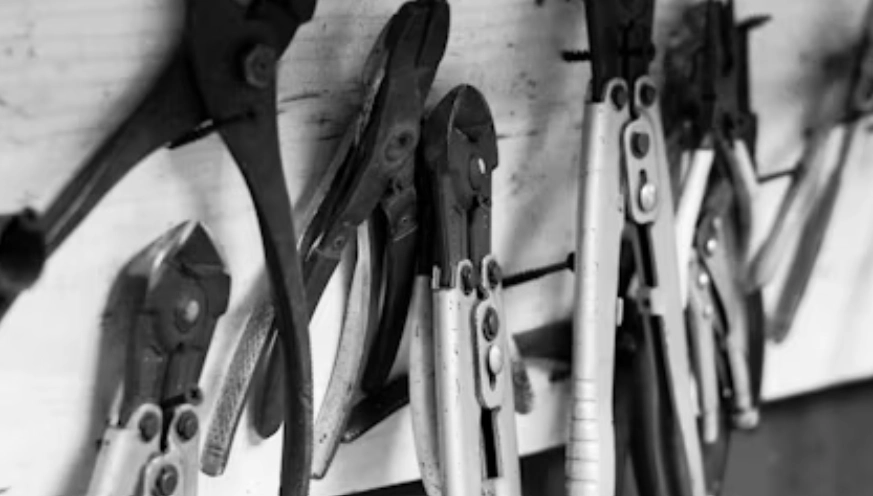
Precision Engineering for Consistent Performance
Exact building sets top-notch welding pliers apart from basic ones. Close factory standards keep the jaws lined up well. That way, you get steady hold and dependable wire snips every time. As you use them all day, this exactness stops slip-ups from tiredness. It keeps your weld results steady too. Steady work matters a ton when you cut wire to the right size before starting the arc. Even tiny mistakes can mess up how the arc begins or how the bead looks. In my experience from years on the job, pliers that hold up like this save headaches during long shifts.
Compatibility with MIG Welding Components
Welding pliers fit MIG parts like nozzles, contact tips, and diffusers. They grab on tight without scratching threads or covers. You can pull off or put on pieces fast, even if they’re still warm. This cuts pauses between welds. For folks running several machines or different metals, this match-up lets one tool handle everything at various spots without trouble.
Why Is Material Quality Critical in Welding Pliers?
The stuff used to make your pliers decides how long they hold up and how well they work when things get rough. In MIG spots, sparks shoot everywhere and heat builds up quick. Cheap materials bend or rust in no time. That’s why pros pick ones made from toughened steel with extra layers for protection.
High-Grade Steel for Strength and Longevity
Toughened steel forms the strong core of welding pliers. It stands up to bending when you clamp hard fittings or slice thick wires close to the torch. Heat from the arc doesn’t make it go soft right away. So, it keeps working well as days turn into weeks. Factory workers like this toughness. It means fewer buys for new ones and the same solid feel even after heavy daily use. Picture hammering out 200 parts a day—steel like this doesn’t quit.
Corrosion Resistance for Extended Tool Life
Extra layers like chrome or nickel stop rust from spatter and wet air in steamy shops. These covers not only block rust but keep the outside slick for simple wipe-downs after work. Even with constant touch from metal bits or spray mist, coated pliers stay bright and ready. I’ve seen uncoated ones turn spotty after just a few rainy days outdoors—coatings make a real difference.
Heat Treatment for Structural Integrity
Special heating of the steel mixes hardness with some give. Cutting parts stay keen while the main body takes hits without breaking. This process toughens key spots. Those include the hinge and jaw ends where wear hits hardest in everyday tasks.
How Do Ergonomics Influence Precision and Comfort?
Feeling good while you work ties right into how spot-on your hands stay during long welding sessions. Smart design bits—like handle feel, spring pull, and shape—cut down on tiredness. At the same time, they help you keep a firm hold for small tweaks.
Handle Design for Reduced Fatigue
Handles that don’t slip, with curves that match your hand, ease the ache from constant squeezing. Even weight spread stops wrist strain. This helps when you weld up high or in cramped areas, like car frames. After eight hours, you notice how these small changes keep you going without sore spots.
Spring Mechanism for Smooth Operation
The spring inside pops the jaws open after you squeeze. It saves energy between snips or tweaks to the nozzle. This keeps the pull even during full-day jobs. You won’t deal with getting stuck midway through.
Grip Texture and Coating Advantages
Rubber covers boost hold even with oily or sweaty gloves. Rough surfaces give you a better sense of how tight you’re squeezing. So, you avoid pushing too hard and harming fragile parts. In greasy shop conditions, this grip can prevent slips that lead to rework.
What Functions Make Welding Pliers Indispensable During MIG Work?
In MIG jobs, welding pliers act as upkeep helpers and safety helpers. Their range of uses makes daily fixes easy. Plus, they keep your hands clear of scorching metal.
Wire Cutting and Trimming Capabilities
Snipping wire to exact sizes makes arc starts smooth every pull of the trigger. Rough ends lead to bumpy feeds or bad tip contact. Sharp snips fix that risk before each weld round. It’s a simple step, but it stops so many common issues.
Nozzle Cleaning and Spatter Removal Functions
Spatter piles up in nozzles over time. It blocks gas flow and warps weld lines. The pointed tip of pliers scrapes it out fast. This brings back good gas spread without taking apart big torch sections. Quick cleans like this keep production humming.
Tip Replacement and Component Adjustment Tasks
When tips get worn or blocked during a shift, pliers let you swap them out safely. Even if warm, they won’t harm threads on the gun. They also secure fresh tips tight for solid electrical links in later welds.
How Should Welders Choose the Right Pair of Welding Pliers?
Picking welding pliers goes beyond just the cost. You want ones that fit your MIG gear and job setup perfectly.
Matching Tool Features to Welding Applications
For jobs with lots of nozzle swaps or different metal thicknesses, go for pliers with firm hold jaws and built-in scrapers. If you’re out in the field and need something light, pick compact ones with spring action. Matching like this makes daily tasks smoother—I’ve tried mismatched ones, and they just frustrate.
Assessing Build Quality and Brand Reliability
Trusted makers stick to solid material rules. They offer guarantees that show faith in long life. Real user stories often point out how they last under tough shop loads. That’s a better sign than ads alone. Look for brands with at least a two-year back-up; it pays off.
Evaluating Comfort, Balance, and Ease of Use
Test a pair in your hand first. A hinge that moves easy shows good build. Even weight aids handling. Light builds help reach into tight spots, like machine insides. Comfort isn’t fancy—it’s what keeps you productive without aches.
What Maintenance Practices Preserve Welding Pliers’ Performance?
Good upkeep stretches out how long pliers last. It stops gunk and rust from messing with their smooth action over months.
Regular Cleaning After Each Use
Once a job ends and tools cool, brush off spatter with a soft tool or rag. Skip rough cleaners that might rub off guard layers. Add a bit of oil to joints for easy swings in storage. This routine, done daily, keeps them sharp for years.
Storage Conditions to Prevent Corrosion
Store pliers in dry, airy spots far from wet areas like coolant bins or soggy floors. Sleeves in your toolbox shield from dust between uses. Proper spots like this avoid that rusty surprise after a weekend off.
Inspection Routines for Safety Assurance
Check hinges often to see if jaws meet straight. Test spring bounce. Swap out blunt cutters quick—forcing them raises slip chances. Make sure handles stay firm without splits that could snag skin. Weekly looks catch small fixes before they grow.
How Do Professional Welders Maximize Efficiency Using Welding Pliers?
Seasoned welders see pliers as part of their grip, not just add-ons. They weave them into every step of the work cycle for better speed.
Integrating Pliers Into Daily Workflow
Clip them close to your bench for quick grabs. Don’t let them hide under junk. Use them in prep for wire clips, during runs for nozzle wipes, and at end for spatter clear-up. Team practice cuts wrong use that wears them out fast. In a shop doing 100 units daily, this habit shaves off 20 minutes per worker.
Enhancing Productivity Through Proper Technique
Push steady when slicing wires, not in jerky pulls. It gives neat ends with less fix-up on tricky setups like steel pipes in food plants. Good habits like this build quality without extra effort.
Adapting Tools to Specialized MIG Operations
Various metals react different to heat. Mild steel takes rougher grips than soft aluminum that marks easy. Adjust your hold based on that. Use padded handles near hot arcs to block heat pass-through. Some shops even tweak plier ends for robot arms. This mixes hand work with machine help in smart ways. It’s cool how tech like that changes old routines, though nothing beats the feel of a well-made pair in your hand for fine jobs.
FAQ
Q1: What makes welding pliers different from regular pliers?
A: Welding pliers suit MIG tasks on purpose. They mix jobs like wire snips, nozzle scrubs, light taps on spatter, and safe pulls of parts. All while standing heat near arcs.
Q2: How often should I clean my welding pliers?
A: Right after use, when cooled. Steady cleans stop gunk from jamming parts or blunting edges as time goes.
Q3: Can I use one pair across different MIG guns?
A: Sure—most pro ones match standard nozzles and tips from big names. But check fit before buying to skip fit problems on the job.
Q4: Why do some models cost more than others?
A: Steeper prices come from finer steel, closer cuts for easy work under real shop strains.
Q5: Are insulated handles necessary?
A: Smart choice if you’re often by hot zones. Insulation guards against surprise burns from heat jumping through nearby metal in live weld spots.


