

What Makes The Best Needle Nose Pliers Ideal For Precision Engineering
What Defines the Best Needle Nose Pliers for Precision Engineering
Precision engineering calls for tools that mix strong build, easy handling, and steady accuracy. The top needle-nose pliers grip well and handle tiny parts in cramped spots without losing your hold. In fields like aerospace, electronics, and instruments, where gaps are tiny as microns, these pliers feel like part of your hand. They go beyond basic tools. Think about working on a small circuit board. You need something that won’t slip and ruin the job.
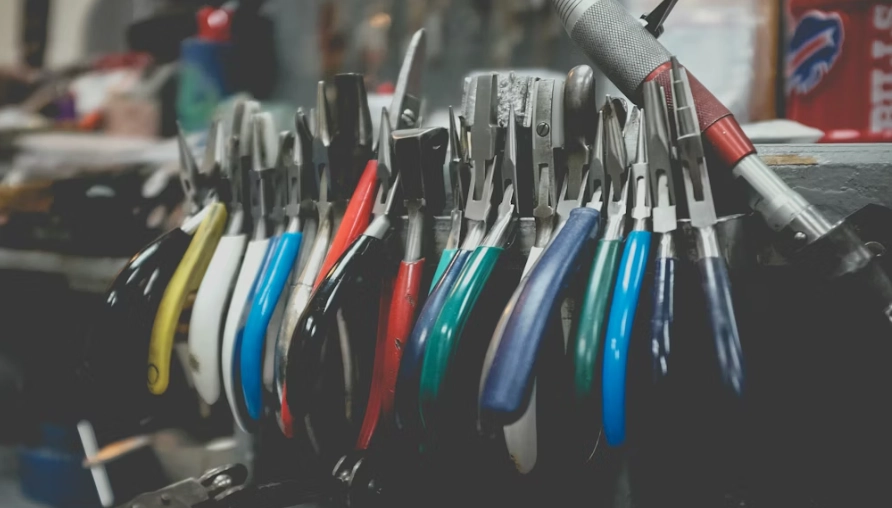
Material Composition and Build Quality
Strong steel types make up the base of dependable needle nose pliers. Folks pick chromium–vanadium or carbon steel because they stay tough under lots of use. A coating that fights rust, such as nickel, chrome, or oxide, stops rust when you deal with dampness or sticky leftovers from soldering. Makers shape them carefully to keep the size exact over time. So, you can grab a thin 0.2 mm wire many times without bending it or weakening the hold. In my view, that’s key for daily work in a busy shop.
Design Features Enhancing Precision
Narrow, pointed jaws help get into tight spots like circuit boards or small gear boxes. Smooth turning points cut out side wobbles that mess up your aim during careful work. Handles shaped for comfort with cushy covers spread out the squeeze on your fingers. This cuts down tiredness on long jobs or steady production. Many engineers like handles with rough textures that stick even if your hands have oil or water on them. It’s a small thing, but it saves headaches in real tasks.
Performance Standards in Engineering Applications
For fine jobs, steady hold beats raw power. Good needle nose pliers give even gripping force. You can twist wires or fix connectors without harm. Exact jaw matching makes results the same each time. That’s vital when parts need the same spot every go. Meeting rules like ANSI or DIN means the tool works well under set weights and weather. I’ve seen teams stick to these standards to avoid costly mistakes on big projects.
How Does Jaw Design Influence Precision Work?
The shape of the jaws changes how well you manage small bits and wires. In microelectronics or model building, the jaw form sets the reach and steadiness. Picture trying to fix a watch. The right jaw makes it simple; the wrong one frustrates you.
Variations in Jaw Shape and Length
Long, slim jaws work great for spots deep in cases or crowded panels. Jaws with teeth grab metal better but might scratch soft stuff like copper. Plain jaws keep shiny parts unmarked. Shorter jaws feel stiffer and give clearer touch when you nudge small bearings or springs into place. Each type fits different needs, depending on the day’s work.
Impact of Jaw Alignment on Accuracy
Good jaw matching matters a lot for tiny tweaks. A small off-kilter can cause slips that hurt wires or bend fragile shapes. Even closing along the full jaw spreads pressure right. This helps a ton when you hold round pins or screw parts.
Specialized Jaw Features for Specific Tasks
Tips that bend a bit let you see better by keeping your hand away from the view in tricky setups like sensor parts. Pointy ends shine in jewelry fixes or circuit jobs where room is just millimeters. Some high-end pairs have crossed lines on the surface. These boost hold without deep cuts that scar touchy materials. It’s handy for pros who switch tasks often.
Why Is Handle Ergonomics Crucial in Precision Engineering?
Handle comfort shapes how well you do detailed work for hours. Bad designs lead to aches and shaky control, which means uneven outcomes. Good ones keep you going strong.
Comfort and Control During Extended Use
Soft handle covers pad sore spots and ease wear from repeat squeezes and lets-go on parts. Even weight keeps the tool firm in your grip. It stops wrist pain during small changes under a close-up glass.
Influence of Handle Length and Shape on Performance
Handle size sets the pull you get. Longer ones let you make small shifts with little push, but they can bump in close areas. Shorter ones help you move quick where space is tight. Shapes that fit your hand’s curve match your pose well. They boost feel, which counts when you join tiny connectors with heat.
Safety Considerations Linked to Ergonomic Design
Covers that block shocks guard against touching live wires in power setups. Smooth ends avoid scrapes when you press hard and long. Locks that hold the pliers shut during moves keep tips safe and stop harm to other gear. These bits make the tool safer overall, especially in fast-paced shops.
What Role Does Material Quality Play in Tool Longevity?
The stuff used sets how long needle nose pliers last in tough jobs without dropping their fine traits. Cheap materials wear out fast; good ones endure.
Choice of Steel and Alloy Composition
Chromium–vanadium steel hits a sweet spot of toughness and bend. It fights shape changes but stays pliable under twists in careful work. Set carbon levels boost pull strength and keep sharp edges at jaw ends. Heat steps lock the build so the tool stays true to size after many heavy pulls. This mix really pays off in long-term use.
Surface Finishing Techniques for Durability
Coats like nickel or chrome block rust from wet air or sticky solders. Shiny finishes cut drag at touch spots. They let the tool run easy over years without sticking at turns.
Maintenance Practices Supporting Material Longevity
A quick oil on turns every few months keeps them gliding by cutting rub between bits. Wipe off dirt to stop gunk that throws off straightness. Keep them dry when not in use to dodge rust. It’s basic, but it adds years to the life. Mechanics I know swear by this routine.
How Do Manufacturing Standards Affect Tool Performance?
How they’re made sets how even each pair works from batch to batch. That’s big for workers who count on the same feel daily. Variations can slow down a whole line.
Precision Engineering Tolerances and Calibration
Strict size limits make sure jaws line up the same in every tool. No surprises between pairs on shared jobs. Tuned turns give steady push-back. You sense the same give in every action, no matter how old or busy the pliers get.
Certification and Industry Compliance Requirements
Places with ISO stamps track every step from raw stuff to heat fixes for sure trust. Following ANSI or DIN rules matches world ways. It’s smart if your work crosses borders often.
Quality Control Testing Procedures in Production Lines
Before they ship, solid makers test hardness to check staying power for real jobs. They mimic grip tests under different weights to prove steady work. Then, eye checks spot any rough spots that hurt fit. This whole check keeps junk off shelves.
How Can Needle Nose Pliers Support Specialized Engineering Fields?
Various engineering areas use special tweaks to needle nose pliers for their unique hurdles. Each field has its quirks, and the right tool adapts well.
Applications in Electronics and Microengineering
Thin-tip styles help techs shape part wires just right without stressing hot joins on boards. Jaws that don’t scratch save breakable bases during fixes. Materials that fight static shocks guard chips from zaps. In a lab, this prevents costly failures on prototypes.
Use in Mechanical Assembly and Maintenance
For gear fixes or valve builds, extended pliers pull out washers or clips from deep spots where normal tools can’t go. Toothed holds lock small screws tight for turns but let go clean without marring. Maintenance crews love this for keeping tight fits daily.
Relevance to Aerospace and Instrumentation Work
Aerospace needs light yet sturdy tools that hold tune amid shakes and heat swings. Rust-proof coats fit changing wet in field jobs. Sharp holds aid in setting measure tools that demand rock-steady hands. Pilots’ gear often relies on such reliability.
What Should Professionals Consider When Selecting Needle Nose Pliers?
Picking top needle nose pliers means weighing specs, comfort, and lasting worth over just the cost. Don’t chase the cheapest; think about your workflow.
Evaluating Technical Specifications
Check jaw size against your jobs. Long ones reach far; short ones give sharp control. Tip bend helps around blocks in builds. Toughness scores show wear fight under repeats. Turn style sets easy flow in uses.
Comparing Brand Reputation and Manufacturing Origin
Known names hold tight quality from years of shop proof in car fixes to board making. Where they’re built can sway steel steadiness. So, look at source info to guess how long they’ll last before you buy.
Balancing Cost Efficiency with Professional Requirements
High-end pairs earn the extra bucks with better metals and close fits for key jobs like health gear lines. But middle options work fine for shop basics where super-tight isn’t needed. As long as they hit core marks on straightness and finish, they’re solid. Budget wisely for your needs.
FAQ
Q1: What makes chromium–vanadium steel ideal for needle nose pliers?
A: It combines high hardness with flexibility so the jaws resist deformation but don’t become brittle under twisting forces common in precision tasks.
Q2: Are smooth jaws better than serrated ones for electronics work?
A: Yes, smooth jaws prevent marking delicate components like gold-plated connectors whereas serrated types may scratch them despite offering stronger grip on rougher materials.
Q3: How often should pivot joints be lubricated?
A: Light lubrication every few months—or sooner if used daily—maintains smooth movement by reducing metal-on-metal friction inside the joint area.
Q4: Why do some professionals prefer bent-tip designs?
A: Bent tips improve visibility around obstructions so you can manipulate parts accurately without blocking your view with your own hand position.
Q5: What certifications indicate reliable manufacturing quality?
A: ISO certification ensures traceable production controls while compliance with ANSI or DIN benchmarks confirms adherence to global dimensional standards important for professional engineering use.


