How to Choose Wall Anchors for Different Wall Materials Like Drywall or Brick
Wall Anchor Types and How to Choose the Right One
When you put up something on a wall, say a floating shelf or a heavy TV mount, the part you can’t see often does the main job. That part is the wall anchor. These little items matter a lot. They decide if your setup stays firm or falls apart after a while. Pros need to know how each type acts in various wall stuff. This knowledge stops extra visits and keeps safety rules in check. The piece here covers different wall anchors. It talks about what they do. It also explains how to pick them and set them up for good, long hold. In everyday fixes around the house, like in older buildings with thin walls, picking the wrong one can lead to headaches, but getting it right saves time and worry.
Wall Anchors and Their Purpose
Wall anchors get made to give strong backing in spots where screws by themselves won’t stay tight. They make solid spots to attach in drywall, plaster, or masonry. They do this by pushing out or holding on inside the base material.
The Function of Wall Anchors in Installations
Wall anchors spread the weight of hung items over a wider part of the wall. This stops too much push at screw holes. Such push could crack the wall or make things pull free. You hang shelves, mirrors, or televisions. Then anchors sit between the soft wall and the big gear. They change weak areas into spots that carry weight well. These spots keep things steady and safe as days pass. For instance, in a living room with kids running around, anchors help prevent shelves from sagging under books or toys, which happens more often than you’d think in busy spots.
When to Use Wall Anchors
You use wall anchors most times when you fix items to empty walls. These walls lack direct stud help. Drywall can’t take much weight alone. Even fair loads can rip it if you put in screws without extra support. Anchors step up when you deal with stuff like plasterboard or concrete block. These don’t grab screws good on their own. With anchors, you get work that lasts. This holds true for setups that shake or see lots of pulls, such as towel bars or cabinet handles. Picture a bathroom with steam and daily tugs—without anchors, those bars loosen fast, leading to wet towels on the floor.
Common Types of Wall Anchors
Various wall types call for various anchor shapes. All of them aim to make safe spots to mount. But their ways of working differ a good deal. This depends on the weight needs and wall makeup.
Plastic Expansion Anchors
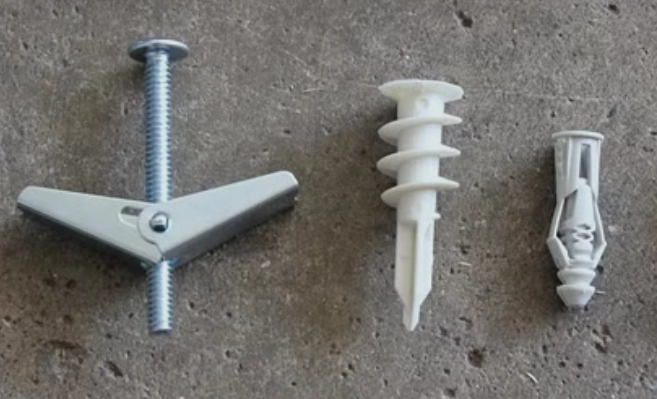
Plastic expansion anchors count as some of the easiest choices out there. They fit well for simple tasks in drywall or plaster. You turn a screw in them, and they push out a touch. This presses them to the stuff around for a hold from rub. Folks use these a lot for small pictures, clocks, or light decor. The weights here stay below 20 pounds. They count only on that push force. So they don’t work for steady pulls or strong turns. In small apartments, these handle curtain ties just fine, but I’ve noticed they wear quicker in humid spots like kitchens.
Threaded Drywall Anchors (Self-Drilling Anchors)
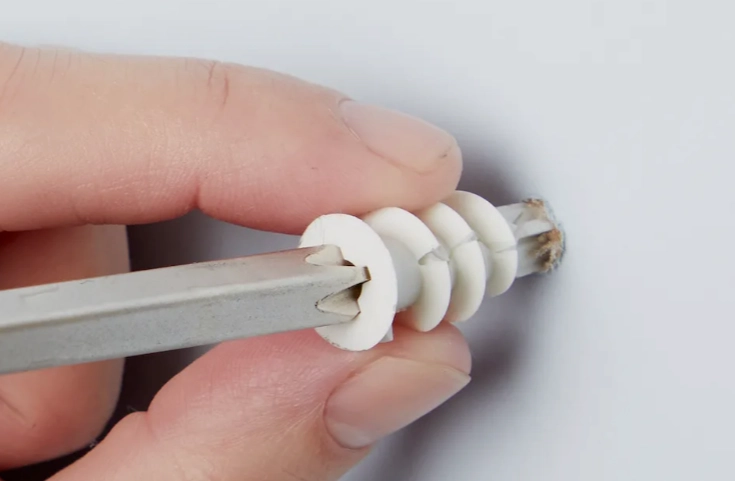
Threaded drywall anchors come with pointy threads. These cut right into drywall. You skip the pre-drill step. That cuts time on fast setups. Their build gives better hold than plain plastic bits. The threads dig into the gypsum stuff better. You see them on curtain rods, fair-size shelves, or small gadget hangs. They’re easy to use. But if you turn too hard, they can tear. So steady turn matters for top results. During a quick office redo, these saved hours on mounting monitors—threads bit in clean without dust everywhere.
Toggle Bolts and Molly Bolts
Think about the coming weight and if you can get to the back of the wall before you pick toggle bolts or molly bolts. They do things different. But both give firm backing once they spread in the empty spaces.
Toggle Bolts
Toggle bolts include a machine screw with wings that load on spring. The wings open behind the wall after you put them through a drilled spot. This makes a wide flat area. It shares the weight well over big parts of drywall or inside hollow blocks. Their strong weight take makes toggle bolts a top pick for heavy items. Think cabinets, heaters, or big mirrors over 50 pounds. In a workshop, toggles held up a 55-pound tool board through daily shakes—no issues after two years.
Molly Bolts
Molly bolts work by pushing out metal covers behind the wall. You tighten from the front. This leaves a lasting spot that takes fair to heavy weights. It stays good to use after you pull the screw. That’s a plus for redo work or item changes. These bolts fit well in spots where you can’t reach behind, like finished rooms, and they don’t leave big holes like some others might.
Concrete and Masonry Anchors
For firm bases like brick or poured concrete walls, usual drywall anchors don’t cut it. Pick designs just for masonry. Examples are sleeve anchors, wedge anchors, or concrete screws. These count on tight hooks more than just push rub. People use them wide in build jobs that need top strength. Say, fixing outdoor light arms or shop shelf setups. On a backyard patio, wedge anchors kept lights steady in wind and rain—far better than trying drywall types there.
Choosing the Right Wall Anchor for Your Project
Picking a good anchor means more than just the size match. You must grasp your wall’s build and the kind of strain your setup will face as time goes.
Assessing Wall Material and Load Requirements
Begin by spotting if your wall is drywall, plasterboard, solid masonry, or concrete block. Each one acts another way under pull forces. Next, guess the full hang weight. Add in moving parts like shakes or bumps, for example doors banging close by. Things like wet air can wear some plastics faster than metals. So pick stuff that matches if you want it to last long. In coastal homes with salt air, metal anchors outlast plastics by double the time, based on what installers report.
Matching Anchor Type to Application Needs
Light-Duty Applications
For items under 20 pounds, like picture frames, use plastic expansion plugs or self-drilling threaded anchors made for drywall. These handle family photos on a hallway wall without any sag over seasons.
Medium-Duty Applications
For weights from 20 to 50 pounds, such as mirrors or fair shelf units, molly bolts give sure hold. Toggle bolts add more trust if room lets the wings spread wide. In a dining area, molly bolts secured a 35-pound mirror that gets bumped often—still tight after holidays.
Heavy-Duty Applications
Mounting over 50 pounds, for example flat-screen TVs, makes toggle bolts the best in empty walls. Masonry anchors lead in solid wall cases. They have better side pull strength. For a 65-pound screen in a media room, toggles distributed weight even, avoiding wall cracks that plague direct screws.
Installation Techniques for Secure Mounting
Even high-end gear can let go if you set it wrong. How exact you prep sets the long hold more than the anchor name.
Preparing the Wall Surface and Drilling Holes Correctly
Mark drill spots with care. Use levels to keep lines straight over many screws. This matters most for items with lots of holds, like shelf arms. Choose drill bit sizes by what the maker says. Holes too wide cut the grip a lot. Holes too narrow can hurt anchor threads when you put them in. Always clear dust after drilling; it helps the anchor seat better and prevents slips, a tip from years of on-site work.
Inserting and Tightening Anchors Properly
Put each anchor even with the wall face. Then turn screws slow till firm, not too hard. This lets it push out smooth along its length. It spreads push the same inside empty wall parts. Once you fix the item, check for shakes softly. If it moves a bit, pull it out and set again. Then finish the turn steps. Skipping the shake test once led to a loose shelf in a kid’s room—caught it before toys fell, but close call.
Maintenance and Safety Considerations for Long-Term Stability
Setups with anchors are not just done and left. Over years, weather changes tire out materials. This can loosen parts without you seeing till it drops sudden.
Periodic Inspection of Mounted Fixtures
Plan checks now and then. Do this more in spots with shakes, like by doors. Back-and-forth moves loosen screws slow over months. A small turn brings back full hold. This stops bad events later. In high-traffic halls, quarterly looks keep towel bars from pulling free during rushes.
Preventing Overloading and Structural Damage
Don’t go over the weight limits shown on pack tags. Even small extras speed up slow bends. This leads to big pull-aways under steady strain. Spread big weights even with more hold spots when you can. That’s a better build way than one spot alone, no matter its listed strength. For garage racks with 100 pounds of tools, four points beat two every time—evens the load and adds peace of mind.
FAQ
Q1: What happens if I use regular screws without wall anchors?
A: Screws put right into drywall often give up. The gypsum inside lacks the thick stuff for thread hold. This causes pulls under small weight push.
Q2: Can I reuse plastic expansion anchors after removing screws?
A: In most cases no. After they push out, they lose stretch. This makes later sets not trusty like metal molly ones that you can use again.
Q3: How do I know what drill bit size fits my chosen anchor?
A: Look at maker rules on the pack back or the paper inside. They tell the exact hole width range for each model.
Q4: Are toggle bolts suitable for ceiling mounts?
A: They work only if the ceiling takes the down pull well. If not, swap for special ceiling toggles over usual ones. This is due to worries about weight from gravity.
Q5: Why do some anchors spin freely instead of tightening?
A: This shows the hole is too wide for the anchor size. It loses the rub hold. Swap to a bigger one. That fixes it quick before you go on with the setup.


