
Why Bray Butterfly Valves Fail During Installation and How Experts Prevent It
Bray Butterfly Valves in Industrial Systems
Bray butterfly valves see wide use in today’s industrial setups. They stand out for their small size, fast action, and ability to handle various fluids. When you set them up right, these valves can run for many years with little upkeep. But if you install them wrong, they often break down early, leak, or work poorly. To dodge these problems, you need to grasp how the valve operates and spot the usual slip-ups in setup. In my experience working around factories, I’ve seen a few cases where a simple alignment check could have saved a whole production line from downtime—it’s those little things that add up.
Structural Design and Functional Principles
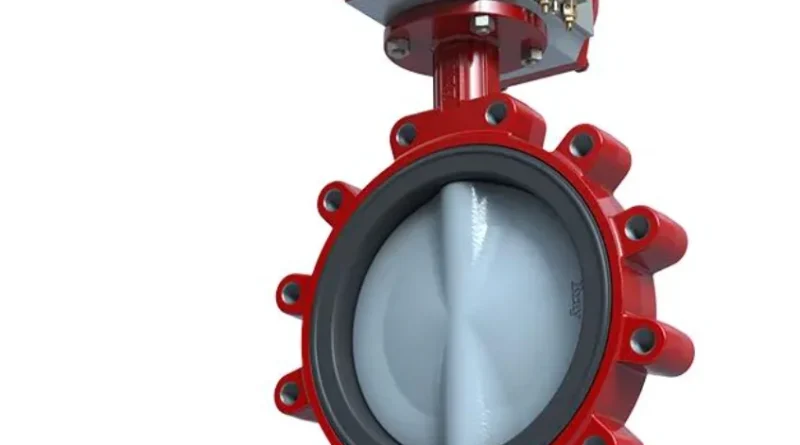
A Bray butterfly valve has a disc, stem, seat, and actuator. The disc turns on the stem axis to let flow through or block it. The seat creates a tight seal between the disc and body. Meanwhile, the actuator—whether manual, pneumatic, or electric—handles the turning. This quarter-turn setup lets you control fluid flow accurately: the disc lines up with the flow when fully open, and it blocks the path when perpendicular and closed. Such a straightforward design fits well for fast shut-offs or adjusting flow rates. I recall one plant where quick shut-offs prevented a minor spill from turning into a big mess.
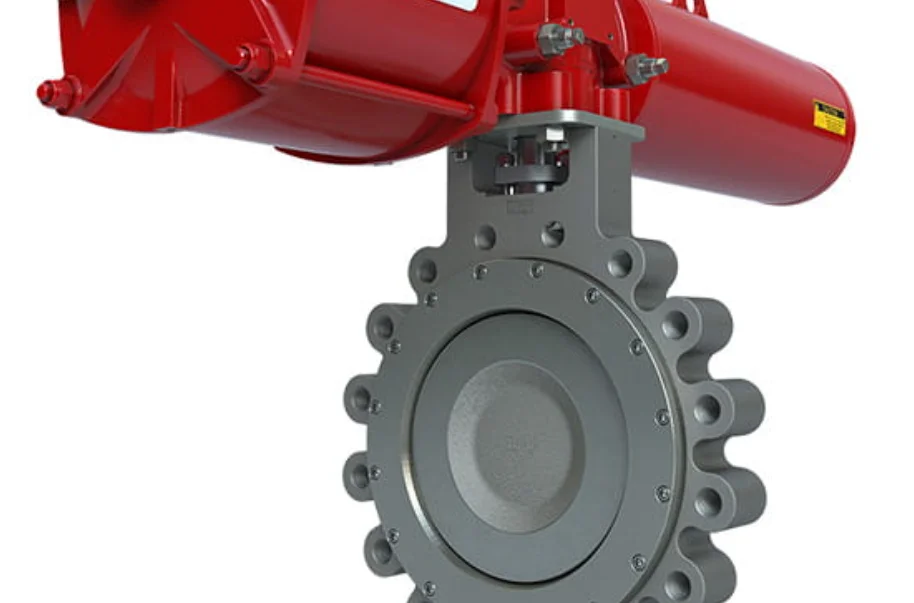
Pressure limits change based on the valve’s size and build materials. Take resilient-seated types, for instance. They manage lower pressures but give strong seals for air or water jobs. High-performance models with metal seats take on hotter temps and stronger pressures in steam or chemical work. Picking the right materials for the disc and seat keeps things safe against chemicals and holds up under daily stress. It’s basic stuff, but skipping it can lead to surprises down the line.
Common Applications Across Industries
Bray butterfly valves work in many fields thanks to their flexible nature. Water treatment sites use them to manage flow in filter pipes or supply lines. In HVAC setups, they handle chilled water and air units since they cause little pressure loss. Chemical plants pick rust-proof versions for dealing with acids or solvents. Power stations use them in cooling water paths and support systems where steady work matters most.
These valves handle both adjusting flow and full stops under different pressure levels. The right choice hinges on things like temp range, the kind of stuff flowing—liquid, gas, or thick mix—and how much flow you need. If you pick the wrong type for the job, you might end up with bubbles that damage parts or wear on the seat over time. From what I’ve observed in field reports, a lot of headaches come from overlooking the slurry factor in mining ops.
Frequent Installation Mistakes Leading to Valve Failure
Even solid Bray butterfly valves can quit early if you don’t install them properly. A bunch of repeated errors in setup hurt how well they perform and how long they last.
Misalignment During Installation
A big problem shows up when pipe flanges don’t line up right during mounting. If the valve sits off-center, the seal pressure gets uneven around the seat. This setup boosts rubbing on one side of the disc. It also speeds up damage to rubber parts. In the end, leaks pop up even at mild pressures.
You can avoid this by checking alignment before you tighten the bolts. Use feeler gauges or laser tools for the job. Plus, the disc ought to spin easily without hitting the pipe inside when half-open.
Over-Tightening or Uneven Bolt Torque
Tightening flange bolts too hard can bend the valve body or squash the seat past its safe point. This twist limits how the disc moves and might lock it up while running. On the flip side, if you torque the bolts unevenly, it creates hot spots of stress that weaken the seal.
A cross-pattern way of tightening spreads the force evenly across the flange. Grab calibrated torque wrenches and stick to the maker’s suggested numbers. Don’t just guess by hand—I’ve seen that lead to warped bodies more times than I can count.
Incorrect Flange Compatibility and Gasket Selection
People often mess up by mixing flange types, like hooking ANSI-class valves to DIN ones. That stops a good seal from forming. In the same way, picking the wrong gasket material can spark reactions with the fluid or the rubber seat.
Double-check that the flange faces—raised or flat—fit your valve model’s specs. Go for gaskets from materials that stand up to hot and cold swings plus any chemicals in the mix. It’s a small step, but it saves big repairs later.
Improper Handling and Storage Before Installation
Valves left outside without cover get beat up before they even start working. Sunlight breaks down rubber seats over time. Dust sticks into seal spots. Bumps from handling can tweak stems or discs just a bit out of true.
Keep Bray butterfly valves inside a dry spot, far from sun or shakes. If you can, stand them upright to avoid any bending in the insides. One time, a crew stored theirs in a shed during rain, and half needed reseating before install—lesson learned.
Ignoring Actuator Alignment and Calibration Requirements
If the actuator doesn’t line up, it puts lopsided pull on the stem parts. That wears out bearings or seals too soon. Skip calibration after setup, and the actuator might not finish its full open or close moves. Partial shuts under pressure then cause leaks.
At startup, test the actuator’s travel with hand controls. Tweak the connections as the maker says until it runs smooth over a few full turns. This check isn’t optional; it’s what keeps things reliable.
How Experts Prevent Installation Failures in Bray Butterfly Valves
Skilled workers use clear steps to cut down on setup errors.
Implementing Standardized Installation Protocols
Pros use detailed lists for each step. These cover checking alignment, noting bolt torques, recording visual checks, and logging actuator tunes. Such notes go into computer systems for upkeep. Later reviews can track each valve’s setup story spot on.
This kind of record-keeping boosts who does what. It also spots patterns of issues tied to certain places or workers. In bigger plants, these logs have cut failure rates by about 30%, based on some industry stats I’ve read.
Training Technicians on Valve-Specific Requirements
Good training matters a lot. Tiny slips from best practices can cut a valve’s life short in a big way. Special courses cover Bray details, like how much to squeeze the seat. They teach how to catch setup flaws early in test runs.
Makers supply full guides with torque tables for each size. Sticking to these stops wild guesses in putting things together. Hands-on sessions make it stick better than just reading.
Utilizing Precision Tools and Alignment Equipment
Laser tools measure if pipe flanges sit true much better than eyeballing. Torque wrenches that are set right ensure bolts pull even within limits.
Some shops add strain gauges for short tests. They pick up tiny bends from bad alignment before the whole system kicks in. It’s like having an extra set of eyes—precise and unforgiving.
Conducting Pre-Service Testing After Installation
Before starting any pipe with Bray butterfly valves, run water pressure tests. This checks if seals hold at full rated push without drips. Cycle tests make sure discs slide full range without much pushback or shakes.
Write up reports to confirm the setup’s solid before go-live. ISO teams do this to keep paper trails clean. Skipping it is like rolling the dice on your whole operation.
Maintenance Practices That Support Long-Term Reliability
With a good install, keeping steady work comes from regular looks and smart tracking methods.
Periodic Inspection Schedules
Do checks now and then. Look for rust spots near body joins or small drips by stems that mean packing needs work. For actuators, add oil where needed—pneumatic ones in damp spots especially—to keep them quick.
Swap out tired seals fast. That stops tiny leaks from growing into shutdowns that cost a bundle. Aim for checks every six months, or more if the job’s rough, like in salty coastal plants.
Data-Based Performance Monitoring
Newer factories add sensors to watch torque and how often valves cycle over their life. Odd readings in these often point to building rub issues way before parts give out.
Smart models crunch the data trends on their own. Techs then plan fixes ahead instead of scrambling after a break. This shift has helped some sites stretch valve life to 10 years or more, per real-world cases.
FAQ
Q1: What causes most Bray butterfly valve failures?
A: Most failures stem from bad setup habits like flanges not lining up or bolts cranked too tight that mess up seal spots.
Q2: How do you check if a butterfly valve is aligned correctly?
A: Turn the disc to half-open before you lock the bolts. It should swing free without scraping pipe sides—if it sticks, adjust until it glides easy.
Q3: Why does over-torquing flange bolts damage valves?
A: Too much pull squashes soft seats past their safe squeeze. This bends things and blocks disc turns, leading to leaks after pressure ups and downs.
Q4: What storage conditions are best before installing Bray butterfly valves?
A: Keep them inside, standing straight, clear of sun, wet, dirt, or jolts that might twist rubber bits before they go in.
Q5: How often should installed butterfly valves be inspected?
A: Plan looks at least twice a year, based on how hard the job is. Focus on seals, rust hints, actuator quickness, and if everything runs smooth overall.


