
What Makes The OS&Y Valve A Critical Component In Fire Suppression Systems
Understanding the OS&Y Valve and Its Role in Fire Safety Systems
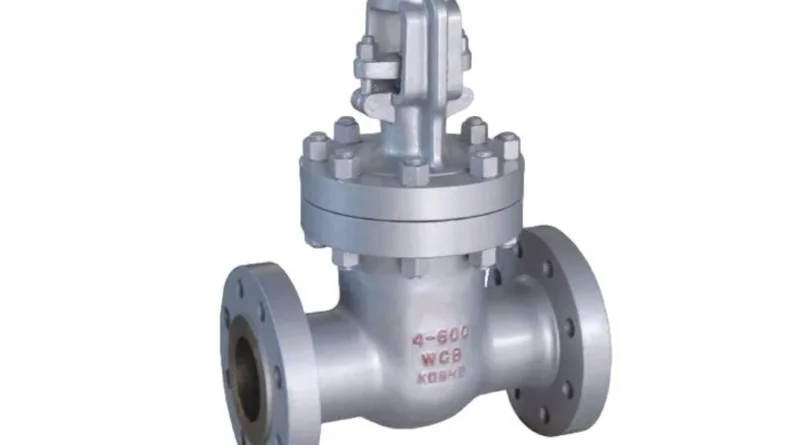
Fire protection setups depend on parts that work well mechanically and look clear to the eye. The OS&Y valve, which means “Outside Screw and Yoke,” stands out as a key piece in fire safety work. Its setup lets you spot right away if a valve is open or shut. This matters a lot in quick checks or urgent times. The next parts look at how this valve turned into the top choice for fire protection.
Definition and Basic Functionality of the OS&Y Valve
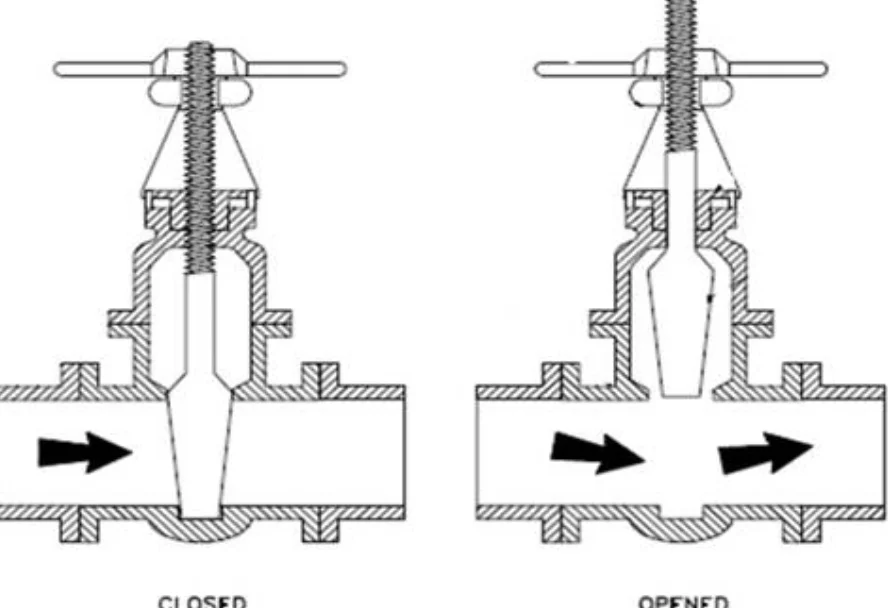
The name “Outside Screw and Yoke” points to the clear threaded stem. It shifts up or down when the valve opens or closes. This setup makes it simple to check the valve’s state. You don’t need to take it apart or grab tools. If the stem sits high, the inside gate stays open. When it drops low, the gate closes tight. Such a clear sign cuts out any doubt in daily looks.
OS&Y valves differ from non-rising stem gate valves. In those, the action happens inside. But here, the stem stays out of the water’s path. And that keeps it safe from rust caused by water or other stuff in the flow. So, these valves fit well in fire protection jobs. They need to last through long waits without use. Take a busy warehouse, for example. The system sits idle for months, but when a fire hits, it must work fast without fail.
Historical Development and Standardization in Fire Protection
The OS&Y valve entered fire safety from old factory water lines. Those needed solid ways to cut off supplies. As making things got better over years, groups like NFPA stepped in. The National Fire Protection Association added OS&Y valves to their rules for sprinkler and standpipe setups. NFPA 13 and NFPA 14 call for them at main control spots. Why? They give a plain view of the valve’s state.
Around the world, rules from LPCB and FM Global match this. It shows everyone agrees on their steady work. This choice helped build today’s fire fighting designs. It set a steady way to watch and check systems. Back in the 1950s, a big hotel fire showed how poor valve checks led to delays. Since then, standards pushed for visible types like OS&Y to avoid such risks.
Mechanical Design Features That Enhance Reliability
The build of an OS&Y valve boosts its long run and steady action. Each bit, from the body to the stem threads, picks tough stuff. This suits rough spots in factories or plants.
Construction Materials and Corrosion Resistance
Builders often use bronze, ductile iron, or stainless steel for OS&Y valves. Bronze fights off breakdown in salty sea air. Ductile iron holds strong for big pipes. Stainless steel handles harsh chemicals. Extra layers like epoxy or powder coats stop rust on the outside. These add years to the valve’s life.
Choices come from the water kind and the spot it goes. A plant near the ocean might pick stainless steel for salt fights. A city office could go with ductile iron. It saves money but keeps good work. In one case, a bridge project used bronze valves. They lasted 20 years with no issues, even with wet weather.
Stem and Yoke Design Advantages
The outside stem lets you reach moving parts for oil or checks. You do this without stopping the whole setup. That cuts time lost in fixes, especially with many pipes in a wide yard. The yoke holds threads away from water inside. So, rust chances inside drop a lot.
This also helps with safety rules. Checkers can see the spot fast in normal rounds or big reviews. It fits NFPA 25 check steps. And it lowers mistakes by people. I’ve seen teams in schools skip hidden valves, but OS&Y makes it foolproof.
Performance Advantages Over Alternative Valve Types
Picking valve kinds changes flow hold, check times, fix work, and lasting power. OS&Y beats others in fire jobs. There, clear sight and tough build matter more than small size.
Comparison with Non-Rising Stem Gate Valves
Non-rising stem or NRS valves hide their stems in the top part. This saves height but loses clear view. You can’t know if an NRS is open without pulling off the wheel or sign post. That’s no good in rush checks. Plus, threads touch water inside. They rust quicker than OS&Y ones.
For buried spots with tight room, NRS works with sign posts. But above ground, OS&Y wins. It makes rule checks easy under NFPA without extra gear. In a recent plant audit, inspectors praised OS&Y for quick scans over NRS setups.
Comparison with Butterfly and Ball Valves in Fire Systems
Butterfly and ball valves take less room. But they handle flow different. In strong pressure lines for sprinklers or taps, small swirls hurt test results. OS&Y gate types give full open flow. Pressure loss stays low. That’s perfect for main spots needing clear paths.
Butterfly valves fit side cuts, not mains. Their rubber seals wear out over time under steady push. Ball valves face the same seal woes in still fire setups. Think of a office tower. OS&Y mains keep water rushing smooth during drills, unlike butterfly lags.
Integration of OS&Y Valves into Fire Protection Infrastructure
OS&Y valves sit in key places across sprinkler pipes and standpipe webs. They act as top shut-off tools. These control water from mains to side lines.
Role Within Sprinkler and Standpipe Systems
Under NFPA 13 or 14, each sprinkler pipe has an OS&Y control valve. It links to a tamper switch on the alarm board. If the valve shuts—on purpose or by slip—the switch sends a watch alert. This warns staff before the system fails.
Placement lets fix teams cut off parts safe. Other zones stay on during tests or patches. That’s vital in spots like hospitals or airports. There, safety can’t stop. In a data center I recall, OS&Y valves helped swap a bad pipe without downtime.
Compatibility with Monitoring and Automation Systems
New building control setups tie in alerts from tamper switches on OS&Y valves. Far screens show live updates. Teams watch many tools at once over sites.
Digital logs now beat paper ones. IoT sensors grab stem spots by wire. This fits smart building ways. It stresses track and fix-ahead math. One firm cut check times by half with these links.
Inspection, Testing, and Maintenance Considerations
OS&Y valves hold up well by build. But steady care keeps them going for decades.
Routine Inspection Protocols for OS&Y Valves
NFPA 25 calls for weekly eye checks. Make sure each valve’s stem matches the plan—wide open unless okayed. Oil the threads to stop sticks from dirt or rust.
Records matter. Checkers note dates and sights of work in set times. This holds certs for reviews by insurers or town offices. Skipping this once cost a shop a fine, so stick to it.
Common Issues and Preventive Measures
Troubles hit like leaks at stem seals or rust on yoke threads from damp air. Right grease fixes these well.
Work valves now and then—shut full then open again. This stops lock from no use. Swap times change by weather but hit 10 to 15 years normal before big fixes. In humid spots, we check extra to catch early wear.
The Enduring Value of the OS&Y Valve in Modern Fire Safety Engineering
OS&Y valves keep leading for trust in tall shops, oil plants, power spots, and school grounds. They mix simple build with world rule nods.
Alignment with Global Standards and Certifications
Top groups like UL, FM Global, and LPCB okay models that pass hard pressure tests and rust fights. Their stamps work across lands. This eases world job plans. Engineers pick from shared lists without reworks for local rules.
Staying with new NFPA code books locks their spot as go-to for watched fire nets worldwide. It’s like a trusted tool everyone grabs first.
Future Outlook: Adaptation to Emerging Technologies
As tech changes site runs, OS&Y valves may add built-in sensors. These send work data through IoT to cloud screens for teams everywhere. New mix stuff could cut weight and boost rust hold past metal now. That helps sea oil rigs with salt air all year.
These steps won’t swap core ideas. They’ll build on them with better watch tools for new builds. These stress bounce-back and green aims. Imagine valves that ping your phone if trouble brews—saves lives down the line.
FAQ
Q1: What does “OS&Y” mean?
A: It stands for “Outside Screw and Yoke,” describing how the threaded stem moves externally so you can see whether it’s open or closed at any moment.
Q2: Why are OS&Y valves preferred over butterfly valves in main fire lines?
A: Because they allow full unobstructed flow under high pressure without relying on elastomeric seals that might degrade over time when left static.
Q3: How often should an OS&Y valve be inspected?
A: Weekly visual checks per NFPA 25 are typical practice along with periodic functional exercises to confirm smooth operation free from binding or leaks.
Q4: Can an OS&Y valve be used outdoors?
A: Yes; materials like bronze or stainless steel combined with protective coatings make them suitable even in corrosive outdoor environments such as coastal zones.
Q5: What certifications indicate quality assurance for an OS&Y valve?
A: Look for listings from UL, FM Global, or LPCB—all recognized worldwide as benchmarks confirming compliance with stringent fire safety performance standards.


