
What Are the Pros and Cons of Brass Nipple Plumbing for Long-Term Durability
What Are the Pros and Cons of Brass Plumbing?
Brass nipple plumbing remains a preferred choice among professionals who value durability, corrosion resistance, and precise threading. Its copper-zinc alloy composition offers long service life under high-pressure and high-temperature conditions. However, it is not without challenges—cost, dezincification in aggressive water, and galvanic corrosion risks require careful material selection. For long-term installations where reliability outweighs initial expense, brass nipples provide a balanced mix of mechanical strength and chemical stability that few alternatives can match.
Overview of Brass Nipple Plumbing in Modern Systems
In modern plumbing systems, brass nipples serve as essential connectors between pipes, valves, and fittings. Their performance depends heavily on composition and manufacturing precision.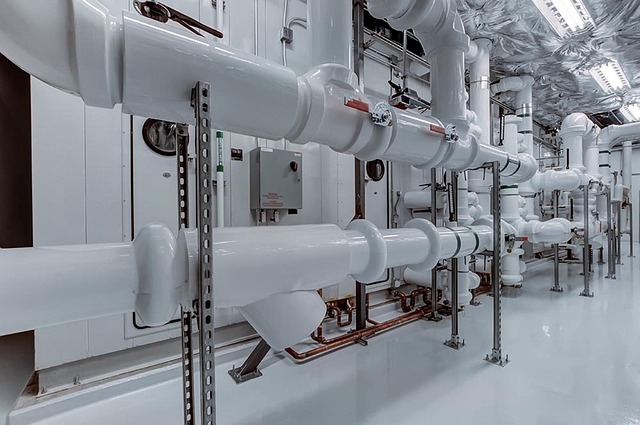
Composition and Manufacturing Process of Brass Nipples
Brass nipples are made from a copper-zinc alloy known for its excellent machinability and resistance to corrosion. The typical process involves extrusion to form rods, cutting to size, threading both ends for connectivity, and surface finishing to prevent oxidation. Alloy composition determines tensile strength; higher copper content improves resistance to dezincification while maintaining ductility. Manufacturers often choose between standard brass (C36000) or DZR brass (CW602N) depending on water chemistry exposure.
Common Applications in Plumbing Systems
These fittings are used widely across residential and industrial installations. In domestic systems, they connect water heaters, faucets, and pressure tanks. Industrially, they appear in compressed air lines or chemical transfer setups due to their compatibility with various metals. Because brass maintains stability under heat, it’s favored in hot water circulation lines where plastic fittings might deform or leak.
Advantages of Brass Nipple Plumbing for Long-Term Durability
The long-term reliability of brass nipple plumbing lies in its metallurgical balance—strong yet workable, resistant yet conductive.
Corrosion Resistance and Chemical Stability
Brass resists corrosion from most non-acidic liquids and maintains its structure even when exposed to hard or chlorinated water. Unlike steel components that rust rapidly in damp environments, brass forms a protective oxide layer that slows degradation. This makes it ideal for systems with variable pH or mixed-metal connections where electrochemical reactions could otherwise occur.
Mechanical Strength and Pressure Handling Capability
Brass maintains shape under heavy torque during installation and resists deformation over years of use. The threads remain tight even after repeated assembly cycles. Its pressure tolerance suits both pressurized municipal supplies and gravity-fed irrigation setups. Many installers note that properly torqued brass joints rarely require re-sealing within decades of service.
Thermal Conductivity and Expansion Control
With moderate thermal conductivity, brass transfers heat efficiently without excessive expansion that could loosen joints. This property is crucial in heating circuits where temperature swings are frequent. By limiting expansion strain at threaded ends, brass prevents leaks common in polymer-based piping systems.
Ease of Installation and Maintenance
Brass’s machinability allows easy cutting or re-threading onsite using standard tools. It pairs well with PTFE tape or pipe dope sealants without chemical reaction issues. When maintenance is required, fittings can be removed and reused with minimal wear—a key advantage over plastic couplings that often crack upon disassembly.
Limitations and Potential Drawbacks of Brass Nipple Plumbing
Despite its strengths, certain environmental factors can compromise brass performance if not managed properly.
Dezincification Concerns in Aggressive Water Conditions
High-zinc alloys are prone to dezincification when exposed to soft or acidic water over time. This selective leaching weakens the metal matrix, leading to porous surfaces or pinhole leaks. Using DZR (dezincification-resistant) brass significantly reduces risk but increases cost by roughly 15–25%. For installations in coastal regions or areas with low-mineral water supply, DZR variants are strongly recommended.
Galvanic Corrosion When Mixed with Other Metals
When brass contacts aluminum or steel under moist conditions, galvanic currents may form causing accelerated corrosion at the junctions. Professional installers mitigate this using dielectric unions or plastic bushings between dissimilar metals. Failure to isolate these materials can lead to premature joint failure even if each component individually resists corrosion.
Cost Considerations Compared to Alternative Materials
Brass nipples cost more than PVC or PEX equivalents—sometimes double depending on diameter—but provide unmatched longevity under heat or pressure stress. For low-pressure drain lines or temporary systems like construction bypasses, the expense may not be justified. However, for permanent installations requiring 20+ year lifespans, total lifecycle cost often favors brass once maintenance frequency is considered.
Evaluating Long-Term Performance Factors
Performance longevity depends not only on material quality but also on environmental exposure and correct installation practices.
Environmental Exposure and Water Chemistry Influence
Water chemistry plays a decisive role: chlorine concentration above 2 ppm accelerates surface oxidation while low pH below 6 promotes dezincification. Regular flushing prevents scale accumulation that traps corrosive ions against metal surfaces. Annual inspection helps detect early signs such as pinkish discoloration—a hallmark of zinc leaching—or fine pitting near threads.
Compatibility with Modern Plumbing Materials
Modern plumbing often mixes copper tubing with PEX adapters or stainless-steel manifolds; each pairing demands attention to galvanic potential differences. Thread sealing compounds must match the adjoining material—PTFE tape for plastics versus anaerobic sealant for metals—to maintain joint integrity without overstressing threads during tightening.
Practical Recommendations for Professionals Using Brass Nipples
For consistent results across varied environments, professionals should base selection on application type rather than price alone.
Selection Guidelines Based on Application Type
Domestic Water Supply Systems
In residential networks where municipal water may contain chlorine residuals or fluctuating pH levels, DZR brass nipples offer superior protection against dezincification while maintaining full mechanical strength.
Industrial Fluid Handling Systems
Industrial pipelines carrying oils or mild chemicals benefit from nickel-plated brass variants that resist surface tarnish under continuous exposure to vapors or lubricants; always confirm rated pressure aligns with system design limits before use.
Heating Systems
For hydronic heating loops operating above 80°C, select high-temperature-rated nipples allowing slight axial expansion at joints; improper allowance can cause thread stress cracking over time due to cyclic heating-cooling loads.
Maintenance Practices to Extend Service Life
Routine Inspection Procedures
Inspect all visible joints annually for greenish deposits indicating early corrosion activity; tighten connections showing seepage but avoid overtightening which may distort threads.
Cleaning and Protection Measures
Where fittings face corrosive atmospheres like boiler rooms or coastal basements, apply thin protective coatings such as clear lacquer after cleaning; avoid abrasive scrubbing that removes natural patina which actually protects underlying metal from oxidation.
FAQ
Q1: How long does brass nipple plumbing typically last?
A: Properly installed brass nipples can last 40–70 years depending on water chemistry and environmental exposure before showing significant wear.
Q2: Can brass nipples be used with PVC pipes?
A: Yes, but always use compatible thread sealants like PTFE tape and avoid overtightening since PVC threads deform more easily than metal ones.
Q3: What causes pink discoloration on brass fittings?
A: That pink hue indicates dezincification where zinc has leached out leaving a copper-rich surface layer; it’s an early warning sign requiring replacement soon.
Q4: Is DZR brass worth the extra cost?
A: In areas with aggressive water conditions—low pH or high chloride—it’s absolutely worthwhile since it prevents structural weakening over time.
Q5: Are there eco-friendly disposal options for old brass fittings?
A: Yes, most scrap yards accept used brass since it’s fully recyclable without loss of quality; recycling also reduces demand for virgin copper mining resources.


