
How Does PEX Repipe Cost Compare to Traditional Copper Repiping Solutions
PEX Repipe Costs in the Context of Full Manifold Systems
When you plan a plumbing upgrade, picking between a basic PEX repipe and a complete manifold system can change your starting costs and everyday use a lot. People often argue about PEX repipe cost among experts. It does not just mean swapping out old pipes. It involves looking at the system setup, worker effort, and pipe quality. A smart manifold design can change how water travels in your house. It might save time, water, and power for many years. I recall a family in a busy suburb who switched to this. They noticed quicker hot water right away. That small win made mornings smoother for everyone.
Key Components That Influence PEX Repipe Cost
Before you jump into price details, you need to understand what shapes them. The main things are pipe material, worker time for setup, and your house plan. These three factors decide how much money you put into a PEX repipe job.
Material Type (PEX-A, PEX-B, or PEX-C) and Its Impact on Pricing
PEX pipes come in three main kinds—A, B, and C. Each has its own making method. This affects how bendy they are and the price. PEX-A bends easiest and fights kinks best. But it costs more for each foot. PEX-B feels stiffer. Yet it saves money. PEX-C falls in the middle. In real jobs, workers pick based on the whole setup, not just cost. For instance, if you need lots of sharp turns or long straight paths to a manifold center, PEX-A might be worth the extra cash. It needs fewer connectors. Plus, setup goes quicker. Think about a two-story home with tight spots under the stairs. PEX-A helped avoid extra cuts there.
Labor Intensity for Installation Compared to Traditional Copper or CPVC Systems
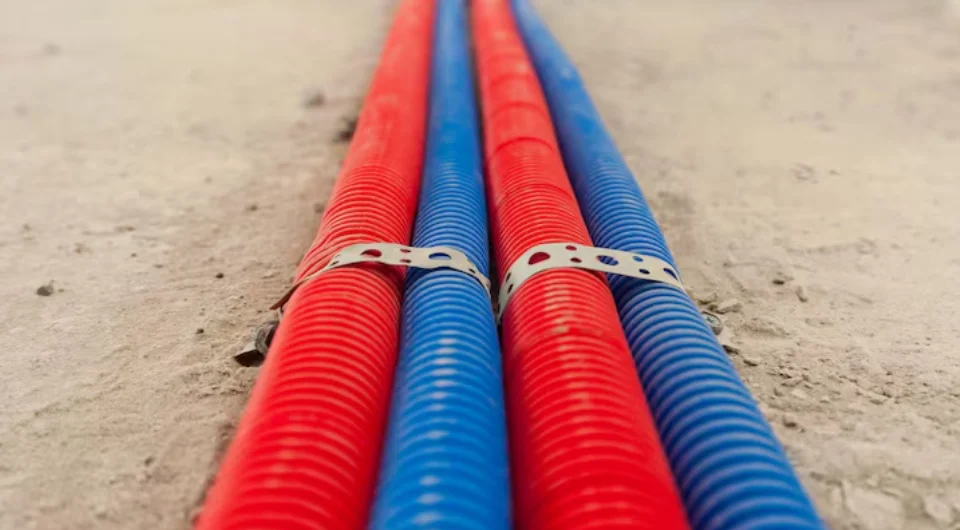
Setting up PEX takes less worker time than copper or CPVC systems. Why? It uses fewer joins. You can run pipes straight more often. But adding a full manifold system changes things. Labor costs might go up or down. On the plus side, you skip soldering or gluing many spots. On the other hand, you link many lines from each sink or shower back to the main hub. Those spots need careful crimping or expanding. In one project I heard about, a team finished a manifold job in a day less than a copper redo. The direct runs made it simple.
The Effect of Home Layout and Plumbing Complexity on Total Project Cost
Your house size and where things like sinks sit play a big role. A one-floor home with easy access under the floor costs way less to redo than a tall house with closed walls and hard-to-reach spots. Tricky plans often mean longer pipe lengths. Or you find new paths. Both add to pipe needs and worker hours. For example, in a 2,000-square-foot bungalow, costs might hit $4,000. But a 3,500-square-foot split-level could double that due to stairs and walls.
The Role of Manifold Systems in Modern Plumbing Design
A manifold system changes water sharing in a building. It does not use branching lines that serve many spots one after another. Instead, each spot gets its own line from a main control point.
How Manifold Systems Centralize Water Distribution for Efficiency
Manifolds work like control spots for water—much like breaker boxes for power. They let you handle water flow just right for all spots. This main setup boosts work well by keeping pressure even everywhere. It also cuts down on hot-cold changes when several taps open at once. In a home with kids and guests, this keeps showers steady. No one complains about sudden chills.
The Difference Between Home-Run and Trunk-and-Branch Configurations
Old trunk-and-branch ways send water down a big line. Then small branches split off to feed spots as they go. This costs less at first. But it works poorer later because pressure falls in shared paths. A home-run way—with manifolds—runs single lines straight from the center to each spot. It raises starting PEX repipe cost. Yet it gives steady work all around. Picture a busy kitchen. With home-run, the dishwasher and sink run full without slowing each other.
Integration Considerations When Transitioning from Conventional Piping to a Manifold Setup
Moving from copper or CPVC to a manifold plan needs thought about wall spaces and entry points. You must find room near the main water inlet for the manifold box. In old houses, fitting this in might mean extra wall fixes or shifting current lines for better paths. One homeowner shared how they added a cabinet in the utility room. It fit perfectly without big changes.
Evaluating the Upfront Investment of a Full Manifold System
Deciding on a full manifold setup often means weighing right-now costs against later savings in use.
Breakdown of Installation Expenses
Basic PEX repiping usually runs cheaper per foot than swapping to copper. But bringing in manifolds—and valves for each line—bumps the total up a bit. Extra parts like crimp rings or expansion bits add to material bills too. Worker changes rely on how smooth the paths are. Some teams say home-run ways cut time. There is no need for joins deep in walls. In numbers, a standard repipe might cost $1.50 to $2.50 per foot. Manifolds add $500 to $1,500 overall, depending on fixture count.
Additional Fittings, Valves, and Control Components That Affect Budget Allocation
Every line to a spot from the manifold requires its own shut-off at the center. Good manifolds often have built-in valves from brass or tough plastics. These hold up under changing pressures for years. They raise the starting spend a touch. But they make fixes easier down the road. For a five-bathroom house, you might need 20 valves. That is an extra $300 or so. Worth it for the control.
Equipment and Material Quality Considerations
For the manifolds themselves—plastic or metal—the gap is in strength, rust fight, and fix ease. Picking top-grade ones can make them last over 25 years if set up right. In humid areas like Florida, metal holds better against moisture. Plastic works fine elsewhere but check local codes.
Long-Term Utility and Operational Advantages of Manifold-Based PEX Systems
The perks of manifold systems show up after some years. You get better work, fewer fix hassles, and even output at every spot.
Efficiency Gains from Centralized Water Distribution
Since each spot has its own line from the manifold center, hot water hits fast with little wait. Short paths mean less cold water sits between heater runs. That saves gallons each day in big families. Less waste cuts water bills. It also trims power costs. Heat does not escape much from quiet pipes. One study from a plumbing group found average homes save 10-15% on hot water use this way. Not huge, but it adds up over time.
Maintenance and Repair Simplification Over Time
A key plus is easy upkeep. You shut off any line alone at the manifold. It does not touch other areas. Say you fix a sink part or a tiny drip in one bath. The rest of the house keeps running. This setup also speeds problem finding. You test one path at a time. No need to tear apart much of the pipes. In winter, isolating a leaky outdoor faucet saves headaches.
Comparing Lifecycle Costs: Traditional Repipe vs. Manifold Upgrade
When you look at PEX repipe cost, checking full life costs gives better clues than just the first bill.
Energy Efficiency and Water Conservation Impacts
Short straight runs lose less heat than long main lines in old ways. For homes with on-demand heaters, hot water comes quicker. That cuts waste from recooling old water between turns. Over weeks or years, these small wins build to real bill drops. They can cover the extra setup money. A real example: a four-person household saw $50 yearly savings after the switch. Simple changes like that make a difference.
Longevity and Total Cost of Ownership Analysis
PEX pipes fight rust much better than copper or old steel. Paired with manifolds that ease stress at joins, the whole setup lasts longer—often past 40 years in home use. Fix needs drop too. Fewer joins hide in walls where leaks start in branch systems. Over 30 years, you might spend half as much on upkeep compared to traditional pipes.
Strategic Considerations for Plumbing Professionals Assessing Justification of Cost
For workers who guide folks on updates, knowing when manifolds pay off matters. Not every house gains the same from this spend.
When a Full Manifold System Adds Measurable Value
Full manifolds work best in big houses with over ten spots spread on several floors. They fit new builds well. There, paths stay open without big tear-outs. Also, smart home links like them. You can add sensors for flow watch or remote shuts tied to wireless setups. Tech-savvy owners want this control over water use. In a 4,000-square-foot new home, the even pressure prevented any complaints during peak hours.
Balancing Client Expectations with Technical Feasibility
Talking about PEX repipe cost openly sets real hopes from the start. Sharing fact-based guesses—like yearly water cuts or fewer fix visits—builds trust. It ties choices to clear results, not vague talk. Tools for life cost models help show totals over 20 to 30 years. They include fix times. This sways folks to see the worth in higher starts when payoffs show in numbers like power save rates or skipped leak fixes. Sometimes, clients push for basics. But data often wins them over.
FAQ
Q1: What factors most influence overall PEX repipe cost?
A: Pipe kind (PEX-A vs PEX-B), worker effort from house plan, and if you pick basic branches or full manifold sharing all shape the final price per square foot.
Q2: Is installing a full manifold worth it for small houses?
A: Not every time. Tiny setups gain little boost for the extra parts cost unless you plan growth or tech adds later.
Q3: How long does a properly installed PEX manifold system last?
A: Using good stuff like brass manifolds and air-block pipes in normal home settings, it often goes beyond 40 years without big redo needs.
Q4: Can I retrofit my existing copper plumbing into a manifold setup?
A: Yes. But plan for more wall opens. Each spot wants its own path to the main point. This ups worker time over simple copper-to-PEX swaps without path changes.
Q5: Do manifolds help reduce energy bills significantly?
A: Yes, in the long run. Short direct hot-water paths bring heat faster with less loss from sitting water. This drops gas or power needs based on your heater kind.


