
What Makes Manganese Phosphate a Game Changer in Binder-Free Nickel Battery Fabrication
Fabrication of Binder-Free Nickel–Manganese Phosphate Battery
Binder-free nickel–manganese phosphate electrodes represent a significant step forward in energy storage technology. By eliminating polymeric binders and integrating manganese phosphate as a structural and electrochemical enhancer, researchers have achieved higher conductivity, improved durability, and better environmental compatibility. The combination of nickel’s high redox activity with manganese phosphate’s chemical stability creates a robust system suitable for next-generation batteries and hybrid supercapacitors.
Advancements in Binder-Free Nickel Battery Technology
The development of binder-free electrodes has reshaped the design philosophy of nickel-based energy storage devices. This approach directly addresses the limitations of traditional composite electrodes that rely on insulating binders.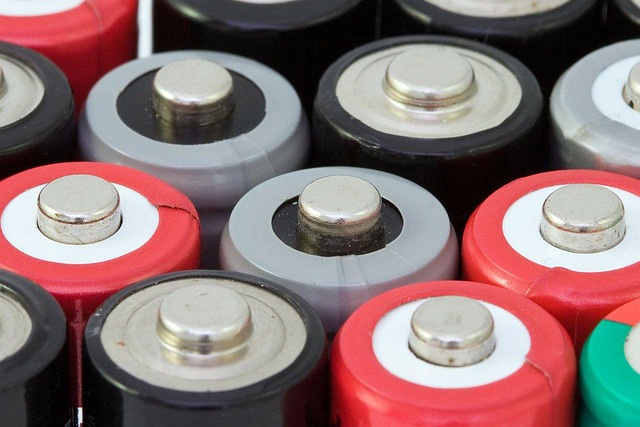
The Shift Toward Binder-Free Electrode Design
Traditional binders such as PVDF or PTFE hinder electron transport and reduce the effective utilization of active materials. In contrast, binder-free architectures allow for direct contact between the active layer and current collector, enhancing conductivity and mechanical strength. This design also simplifies electrode fabrication since it removes solvent-based processing steps, reducing environmental impact and manufacturing costs. The absence of polymeric additives ensures that every part of the electrode contributes to charge storage rather than acting as an inert filler.
Challenges in Conventional Nickel-Based Electrodes
Conventional nickel electrodes face persistent problems with adhesion between the active material and substrate, especially under long-term cycling. The presence of inactive binders increases internal resistance, which limits rate capability and power density. Furthermore, repeated volume changes during charge–discharge cycles cause microcracks and delamination, shortening electrode lifespan. These challenges have driven research toward self-supporting or directly grown electrode structures.
Structural and Chemical Characteristics of Manganese Phosphate
Manganese phosphate has emerged as a promising component for improving both the structure and performance of nickel-based systems. Its intrinsic crystallographic stability and favorable redox chemistry make it ideal for use in alkaline environments.
Crystallographic Properties Relevant to Electrochemical Applications
Manganese phosphate typically exhibits an orthophosphate crystal structure that remains stable under electrochemical cycling. The strong P–O bonds within its framework provide excellent thermal and chemical resilience even at elevated temperatures. This crystalline network forms interconnected channels that facilitate efficient ion diffusion during charge transfer processes, leading to faster kinetics without compromising stability.
Electronic and Ionic Conductivity Mechanisms
The redox activity of manganese ions (Mn²⁺/Mn³⁺) is central to its role in energy storage. These ions enable reversible electron exchange reactions that contribute to overall capacitance. Meanwhile, the phosphate groups stabilize oxidation states by preventing structural collapse during cycling. The synergy between manganese’s variable valence states and the rigid phosphate matrix enhances both electron transport and ionic mobility across the electrode surface.
Integration of Manganese Phosphate into Nickel-Based Systems
Integrating manganese phosphate into nickel frameworks provides a multifunctional effect—improving interface stability, corrosion resistance, and electrical connectivity simultaneously.
Role of Manganese Phosphate as a Functional Component
In nickel-based electrodes, manganese phosphate acts as an interfacial buffer that mitigates stress between nickel hydroxide layers and metallic substrates. It promotes uniform electron distribution throughout the electrode while minimizing localized degradation. Its chemically inert nature offers additional protection against corrosion in alkaline electrolytes, extending operational life without requiring extra conductive additives such as carbon black or graphene.
Fabrication Techniques for Binder-Free Ni–Mn–P Composite Electrodes
The synthesis route plays a decisive role in determining morphology, adhesion strength, and electrochemical response.
Hydrothermal Deposition Methods
Hydrothermal synthesis allows precise control over particle shape and size by adjusting parameters such as pH, temperature, and precursor concentration. This method produces uniform coatings of manganese phosphate on nickel foam or mesh substrates with strong interfacial bonding. The resulting nanostructures—often nanosheets or nanorods—offer large surface areas conducive to fast ion transport.
Electrodeposition Approaches
Electrodeposition provides a scalable alternative where manganese phosphate is directly grown onto conductive scaffolds through controlled potential application. This process ensures intimate contact between active material and current collector while minimizing contact resistance. It also allows fine-tuning of layer thickness to balance capacity with mechanical integrity.
Electrochemical Performance Enhancements Driven by Manganese Phosphate
Introducing manganese phosphate into nickel-based electrodes yields measurable improvements in capacity retention, rate capability, and structural robustness under extended cycling conditions.
Improved Charge Storage Behavior
The incorporation of manganese phosphate increases specific capacitance due to additional faradaic reactions from Mn²⁺/Mn³⁺ couples. Its porous microstructure facilitates rapid electrolyte infiltration, enabling reversible ion exchange even at high current densities. Such behavior translates into enhanced energy density compared with pure nickel systems.
Enhanced Rate Capability and Cycling Stability
Binder-free Ni–Mn–P electrodes maintain high capacity retention over hundreds or thousands of cycles because their integrated architecture resists mechanical stress during redox transitions. The rigid phosphate lattice absorbs strain effectively, reducing particle pulverization that commonly plagues traditional electrodes.
Synergistic Effects Between Nickel and Manganese Species
Nickel contributes strong redox activity (Ni²⁺/Ni³⁺), while manganese broadens the potential window through complementary electron exchange mechanisms. Together they deliver higher overall energy density by utilizing dual redox centers within one composite framework—a feature valuable for hybrid battery-supercapacitor configurations.
Morphological Control and Interface Engineering Strategies
Optimizing morphology and interface chemistry is critical for achieving high-performance binder-free electrodes based on nickel–manganese phosphate composites.
Influence of Nanostructure on Electrochemical Performance
Nanostructured forms like nanorods or nanosheets expose more active sites per unit area than bulk particles. Hierarchical architectures combine micro-porosity for electrolyte access with nano-scale features that shorten diffusion paths for ions and electrons alike. As a result, both charge storage efficiency and power delivery improve significantly.
Interface Engineering for Improved Electron Transport Pathways
Creating continuous conductive pathways at the Ni/MnP interface minimizes charge-transfer resistance across phase boundaries. Advanced deposition techniques can tailor this interface geometry so electrons move seamlessly from one domain to another without energy loss. Such engineered interfaces are particularly beneficial when scaling up electrode thickness without sacrificing conductivity.
Future Perspectives in Binder-Free Electrode Development Using Manganese Phosphate
As binder-free technology matures, attention turns toward manufacturing feasibility and integration into commercial systems beyond laboratory prototypes.
Scalability and Industrial Implementation Considerations
Large-scale production demands cost-effective synthesis routes using abundant precursors like nickel nitrate or manganese acetate combined with low-temperature hydrothermal or electrodeposition processes. Compatibility with existing roll-to-roll coating lines will determine how quickly binder-free Ni–Mn–P electrodes enter mainstream battery manufacturing pipelines.
Potential Integration with Next-Generation Energy Storage Systems
The adaptability of these composites makes them suitable candidates for hybrid supercapacitor-battery devices where both high power output and long cycle life are required. Further exploration into multi-metal phosphates could fine-tune electronic properties by incorporating elements such as cobalt or iron to achieve even higher performance metrics across diverse applications including electric vehicles and grid storage systems.
FAQ
Q1: What makes binder-free nickel–manganese phosphate electrodes different from conventional ones?
A: They eliminate polymeric binders entirely, improving conductivity, mechanical integrity, and sustainability while simplifying fabrication processes.
Q2: Why is manganese phosphate used instead of other phosphates?
A: It offers excellent chemical stability through strong P–O bonds, supports efficient ion diffusion pathways, and provides redox-active Mn²⁺/Mn³⁺ transitions beneficial for charge storage.
Q3: How does hydrothermal deposition benefit electrode fabrication?
A: It enables uniform coating on complex substrates with controllable morphology that enhances surface area utilization for better electrochemical performance.
Q4: Can these electrodes be mass-produced using existing technologies?
A: Yes, both hydrothermal synthesis at moderate temperatures and electrodeposition methods are compatible with industrial-scale processes used in current battery manufacturing lines.
Q5: What applications could benefit most from this technology?
A: Hybrid supercapacitors, electric vehicle batteries, portable electronics, and stationary grid systems could all gain from the improved rate capability and longevity offered by binder-free Ni–Mn–P composites.


