
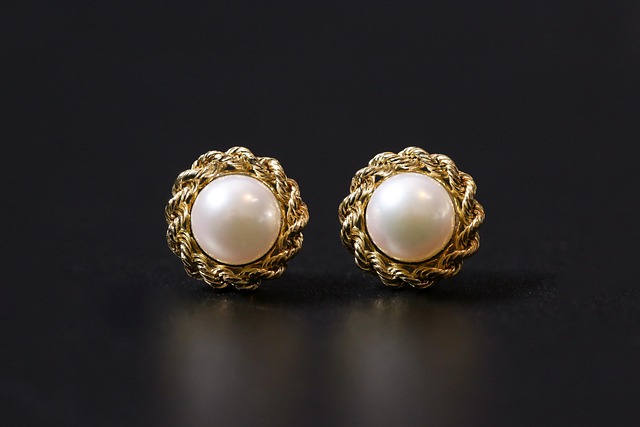
What Makes Hypoallergenic Stud Earrings the Ideal Choice for Sensitive Ears
The Best Hypoallergenic Stud Earrings for Sensitive Ears
For professionals with sensitive skin, hypoallergenic stud earrings are not just a preference—they are essential. The best options combine biocompatible metals, precise craftsmanship, and durable finishes to prevent irritation while maintaining aesthetic appeal. Titanium and surgical stainless steel lead the market due to their stability and low reactivity. For long-term wearers such as healthcare workers or jewelry designers, selecting certified hypoallergenic pieces minimizes risk and maximizes comfort.
Understanding Hypoallergenic Stud Earrings?
Hypoallergenic jewelry has become a critical category in professional accessories, especially for individuals prone to metal sensitivity. To appreciate its value, one must explore how composition, purity, and finishing techniques influence comfort and skin compatibility.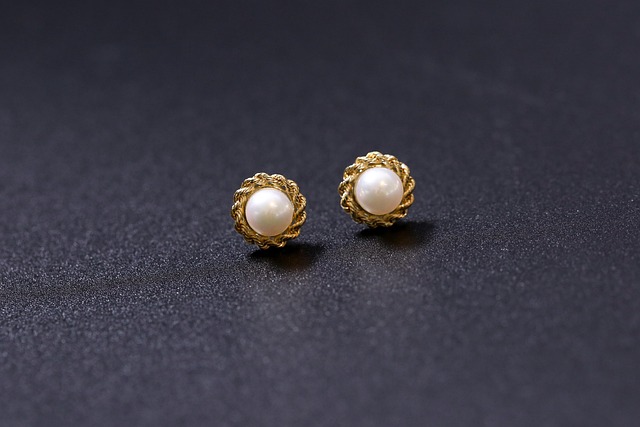
Defining Hypoallergenic Jewelry
In jewelry, “hypoallergenic” refers to materials that are less likely to cause allergic reactions. This does not mean they are entirely allergy-proof but that they contain minimal reactive metals. Nickel-free earrings differ slightly since they exclude nickel entirely—a common allergen—but may still include trace elements of other reactive metals. The distinction matters because even low concentrations of nickel can trigger contact dermatitis in sensitive individuals. Metal composition directly affects skin response; alloys with stable molecular structures like titanium resist corrosion and ion release, reducing immune reactions.
Common Materials Used in Hypoallergenic Stud Earrings
The most reliable materials for hypoallergenic stud earrings include surgical stainless steel (316L), titanium, niobium, and platinum. Each offers high resistance to oxidation and chemical breakdown. Titanium is widely used in medical implants due to its inertness, making it ideal for sensitive ears. Gold purity also plays a role—14K gold contains more alloyed metals than 24K gold, which is nearly pure and less likely to cause irritation but softer for daily use. Some manufacturers apply non-reactive coatings such as rhodium or PVD plating to create an additional protective layer between the metal and skin.
The Science Behind Metal Allergies and Skin Sensitivity
Allergic responses to jewelry metals stem from biological processes that can evolve over time. Understanding these mechanisms helps professionals select safer materials and identify genuine hypoallergenic claims.
Causes of Metal Allergies
Metal allergies often arise from prolonged exposure to nickel or cobalt ions released through sweat or friction. These ions bind with skin proteins, prompting the immune system to misidentify them as harmful substances. The resulting inflammation manifests as redness or itching known as contact dermatitis. Over time, repeated exposure sensitizes the body further, meaning even trace amounts can provoke stronger reactions.
Testing and Certification for Hypoallergenic Jewelry
Industry standards help distinguish authentic hypoallergenic products from misleading labels. ISO 10993 outlines testing methods for evaluating the biocompatibility of materials used in medical devices—a benchmark increasingly applied to jewelry manufacturing. Tests assess corrosion resistance, ion migration, and cytotoxicity levels under simulated skin conditions. Reputable brands provide documentation verifying compliance with these standards or dermatological testing certificates confirming low reactivity rates.
Design Considerations for Sensitive Ears
Material safety alone does not guarantee comfort; structural design influences how earrings interact with the skin during prolonged wear.
Structural Aspects That Enhance Comfort
Smooth post finishes reduce micro-abrasions that might allow allergens to penetrate the epidermis. Secure yet soft backings—such as silicone cushions—distribute pressure evenly across the earlobe rather than concentrating it at a single point. Lightweight designs prevent unnecessary movement that could cause friction burns or minor tears on delicate tissue.
Surface Treatments and Finishing Techniques
Electroplating techniques form protective barriers by depositing inert layers like rhodium over base metals. Advanced polishing eliminates microscopic roughness where bacteria or moisture might accumulate, decreasing irritation risk. Recent developments in nanocoatings extend this protection further by creating ultra-thin films resistant to both corrosion and chemical degradation even under frequent cleaning cycles.
Comparing Hypoallergenic Stud Earrings with Traditional Options
While traditional earrings often emphasize visual appeal over material integrity, hypoallergenic options prioritize health without compromising aesthetics.
Performance Differences in Daily Wear
Hypoallergenic earrings exhibit superior durability because their alloys resist tarnish and corrosion from sweat or cosmetics. Standard plated brass or copper studs tend to discolor quickly due to oxidation processes accelerated by humidity or pH imbalance on human skin. Maintenance routines are simpler too—gentle soap rinses suffice instead of abrasive cleaners that could strip coatings.
Cost-Benefit Analysis for Professionals and Consumers
Although titanium or platinum studs command higher upfront prices than conventional alloys, their longevity offsets replacement costs over time. For professionals frequently wearing earrings—nurses or stylists—the reduction in allergic flare-ups translates into fewer dermatological treatments and workplace discomforts. Market data shows rising demand among consumers prioritizing health-conscious accessories despite premium pricing tiers.
Selecting the Right Hypoallergenic Stud Earrings for Professional Use Cases
Choosing suitable hypoallergenic stud earrings requires evaluating both technical specifications and ergonomic performance tailored to specific occupational environments.
Criteria for Evaluating Product Quality
High-quality pieces demonstrate consistent metal purity verified through spectrographic analysis rather than surface labeling alone. Craftsmanship indicators include seamless joints preventing debris accumulation around posts or clasps. Traceability in sourcing ensures ethical procurement of raw materials free from contamination during refining stages—a growing priority under ISO supply chain transparency guidelines.
Recommendations for Specialized Environments
Medical Professionals and Healthcare Workers
Non-reactive metals like titanium perform exceptionally well in sterile conditions where exposure to disinfectants is frequent. Their resistance to corrosion prevents surface degradation that could harbor pathogens.
Jewelry Designers and Retail Specialists
Professionals advising clients should communicate how hypoallergenic properties depend not only on metal type but also on finishing quality and maintenance habits. Demonstrating certification documents builds trust among discerning buyers seeking safe everyday wear options.
Maintenance Practices for Longevity and Skin Health
Even the best materials require proper upkeep to maintain their protective qualities against allergens.
Proper Cleaning Techniques for Sensitive Skin Safety
Mild soap solutions combined with soft microfiber cloths effectively remove residues without scratching surfaces. Cleaning once a week prevents buildup of oils or lotions that might trap irritants against the skin’s surface.
Safe Storage Methods to Preserve Metal Integrity
Store earrings in anti-tarnish pouches or airtight containers away from humidity sources like bathrooms. Avoid direct contact with perfumes or hair sprays since volatile compounds can compromise coatings over time, reducing their hypoallergenic performance.
FAQ
Q1: What makes an earring truly hypoallergenic?
A: A truly hypoallergenic earring uses stable metals such as titanium or platinum that do not release reactive ions when exposed to moisture or heat.
Q2: Are nickel-free earrings always safe?
A: Not necessarily; some nickel-free alloys may contain trace impurities of other reactive elements capable of causing irritation in extremely sensitive users.
Q3: How often should hypoallergenic earrings be cleaned?
A: Weekly cleaning is sufficient under normal conditions; however, daily cleaning may be advisable in clinical environments where hygiene is critical.
Q4: Can coating wear off over time?
A: Yes, frequent exposure to chemicals or friction can erode plating layers; periodic inspection helps detect early signs of wear before irritation occurs.
Q5: Is 14K gold safe for sensitive ears?
A: It depends on individual tolerance levels since 14K gold contains alloyed metals like copper; higher purities such as 18K or 24K reduce allergy risks but may be softer structurally.


