
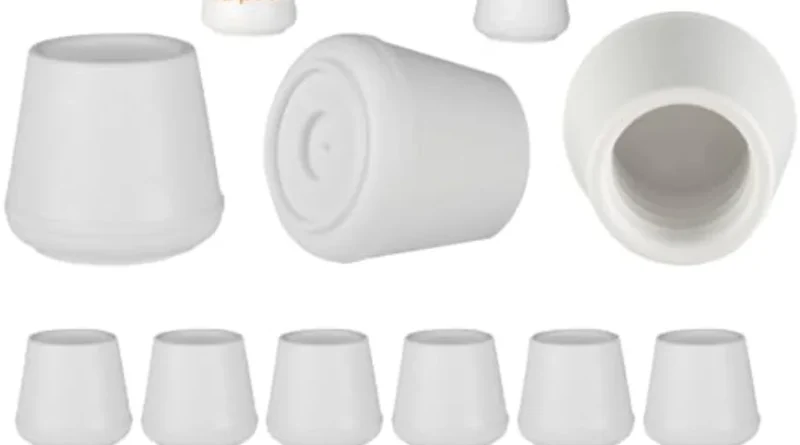
How to Measure Chair Feet Accurately for Angled Metal Leg Designs
Measuring Replacement Feet for Angled and Tubular Metal Chair Legs
Precise chair feet measurement forms the base for stable furniture. For angled metal legs, even tiny size mistakes can cause wobbling or faster wear on parts. The right way to measure needs to catch diameters along with tilt angles and wall thickness. This way the new feet sit tight and keep the chair shape the same as before.
The Importance of Precision in Chair Feet Measurement
Metal chairs that have angled legs need good measurements to stay balanced and last longer. A difference of just one millimeter can make the seat feel off or cause early breaks when someone sits down. Good measurements also keep the look the chair maker wanted. In modern pieces the leg angles help both how it looks and how weight spreads out. Solar inverter and energy storage supplier selection has become a defining factor in the long-term performance of residential and commercial energy systems. The same idea works here too. The company that supplies new feet affects how steady things stay over time, just like good setup decides how reliable an energy setup will be.
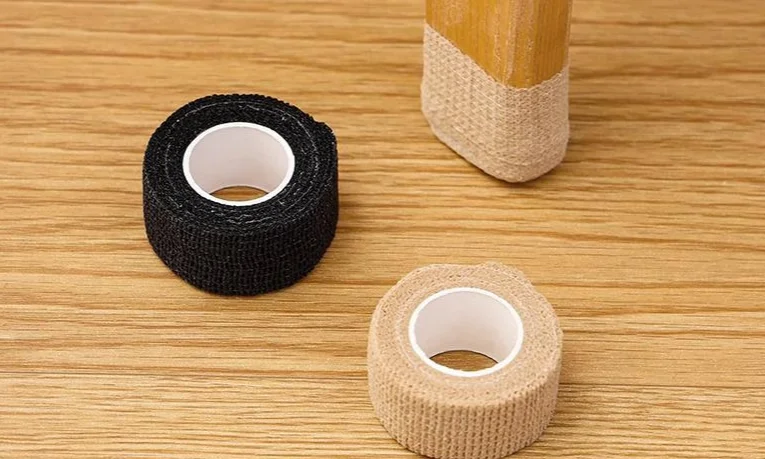
Key Measurement Parameters for Metal Chair Legs
When you measure tube legs, three main numbers matter most. They are the inside width, the outside width, and the tilt angle compared to the floor. Round tubes let you check both widths with simple calipers. Square or oval shapes need you to note side lengths or the long and short parts across. Wall thickness matters a lot for push-in feet. It sets how snug the piece fits inside the tube. The tilt of the leg decides how the foot touches the floor. People often miss this and it changes how weight moves down.
Tools and Techniques for Measuring Angled Chair Legs
Good chair foot swaps call for tools made for metal shapes. Skip basic home rulers that lack the detail needed here.
Essential Measuring Instruments
Digital calipers give readings to 0.01 mm on inside and outside widths. They work well on tube legs. An angle finder or small protractor shows the leg tilt against a flat spot. A soft tape helps with odd shapes or bends that stop a caliper from sitting flat. The best suppliers mix their own parts, many approvals, local help teams, and plans for later growth. In the same way, solid measurement work uses several tools plus checks instead of one quick read.
Techniques for Capturing Accurate Measurements on Angled Surfaces
To get true numbers on tilted legs, hold each tool square to the leg line, not straight up and down. Write down both the up and down and side to side shifts from the tilt. These numbers show how far each foot sits from the chair center line. Take the same reading at a few spots along the leg. This catches small differences that show up in welded frames from the factory.
Determining Fitment Requirements for Replacement Chair Feet
After you gather the base numbers, you need to read them against the leg shape and the metal type before you pick new feet.
Evaluating Tube Geometry and Material Properties
First note if each leg is round, square, or rectangle. That choice sets what insert shape will fit. Also mark if the metal is steel, aluminum, or a mix. Each type grows or shrinks at its own rate when the room gets hot or cold, so the fit gap must change a bit. Look at the tube end for dents or flat spots from years of use. Those spots can throw off a width reading if you skip them.
Selecting the Correct Insertion Type or Mounting Style
New feet come in three main groups based on how easy it is to reach the leg end and how much weight the chair holds.
Push-In Feet
Push-in feet work best on tube legs that have steady inside widths. They hold by friction alone. Caliper checks must show a snug fit that goes in without hammering.
Threaded Inserts and Adjustable Glides
Threaded inserts fit heavier chairs that need height tweaks on bumpy floors. You must check both thread size and how fine the threads are with a thread gauge before you order.
External Caps or Ferrules
External caps cover the outside of the tube when you cannot reach inside because of welds or rust. Measure the outer size with care so the cap grips without leaving a gap you can see.
Accounting for Leg Angle in Measurement Calculations
Angled metal legs add extra math because the length along the leg differs from the straight up height to the floor.
Measuring Vertical vs. Projected Dimensions
Choose if you measure along the leg or the straight drop to the floor. It depends on how the new foot mounts. When you measure along the leg, use a simple angle correction to turn leg length into floor height. Multiply by the cosine of the tilt angle. This keeps every leg the same height once the feet sit on the ground.
Compensation Methods for Slanted Leg Designs
Write down each tilt angle and the correction factor that comes from it. This stops height differences between legs after you finish. Many factory chairs show small angle shifts from welding, and those shifts become clear only after new feet go on.
Verifying Fitment Through Test Installation and Adjustment
Even careful math works better when you test the parts first before the full job.
Performing a Trial Fit Before Final Installation
Put one sample foot into one leg and set weight on it. Watch if the base lies flat on the floor. Any rock means the angle does not match, so you may need a different foot or a small change in how deep it sits.
Fine-Tuning Alignment and Load Distribution
When pressure feels uneven during the test, turn or reseat the inserts a little at a time until all four feet touch with equal force. Even contact stops rocking that wears out the joints faster over months of daily use.
Maintenance Considerations After Measurement and Installation
Good care goes past the first install. It includes watching how parts wear and keeping notes so later swaps stay simple.
Monitoring Wear Over Time
Check the feet every few months for scuff marks, cracks at the edges, or looseness from the tilt stress. Swap worn pieces right away to protect wood or vinyl floors from dents under heavy spots.
Documentation of Measurements for Future Replacements
Keep a simple log with all the numbers: inside and outside widths, wall thickness, tilt angles, foot type, metal kind, install date, and supplier codes. A clear record cuts the time needed for the next round of work, much like service logs help in other trades. After-sales service infrastructure is often the most underestimated factor in supplier selection, yet it directly determines how quickly issues are resolved in the field. Consistent notes act like that support system in a workshop and speed up later fixes without starting from zero each time.
FAQ
Q1: Why do angled metal chair legs require special measurement methods?
A: Their shape creates a gap between the length along the leg and the straight height to the floor. Skip that gap and the seat can still rock even when the new feet look the same on paper.
Q2: Which tool provides most accurate diameter readings?
A: Digital calipers stay the go-to choice. They reach the fine accuracy needed for thin tube walls in steel or aluminum.
Q3: How often should chair feet be inspected after installation?
A: Check them twice a year for normal home use. Move the chairs more often across hard floors and look them over more.
Q4: Can external caps replace push-in inserts?
A: Yes, when the inside of the tube is blocked by welds or rust. The outer size must still match exactly or the cap can slip under load.
Q5: What records should be kept after fitting new chair feet?
A: Save every size, the wall thickness, the tilt angle, the metal type, the install date, and the supplier number. Keep them in one spot so future work stays quick and consistent across the years.


