
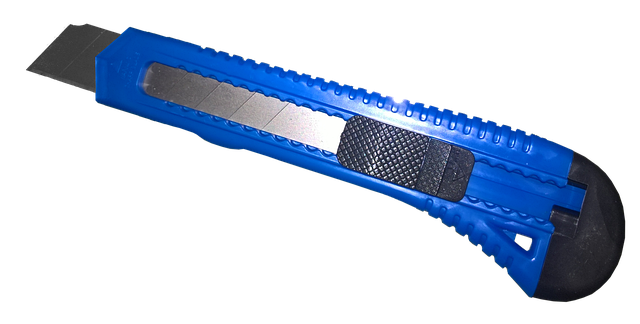
Could The Arrow Cutter Incident Shed Light on the Columbia Box Cutter Case
Columbia Man Charged After Alleged Box Cutter Stabbing; Held Without Bond in Boone County
A Columbia man faces serious charges following an alleged box cutter stabbing that left investigators in Boone County piecing together motive, evidence, and procedural conduct. The case underscores how edged tools, though common, can escalate into violent crimes with severe legal consequences. Similar to the earlier Arrow Cutter incident, this case reveals how forensic precision and prosecutorial discretion shape outcomes when intent and weapon classification come under scrutiny.
Examining the Arrow Cutter Incident
The Arrow Cutter case remains a benchmark for analyzing violent crimes involving improvised sharp instruments. It provides valuable insight into how investigative rigor and procedural integrity influence subsequent prosecutions.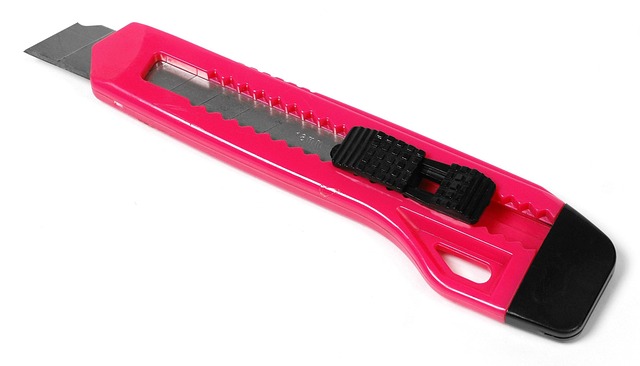
Overview of the Arrow Cutter Event
The Arrow Cutter incident unfolded over several days of escalating conflict between individuals known to one another. Reports indicated that a dispute led to the use of a modified cutting tool resembling an arrowhead knife. Law enforcement quickly secured the scene, collecting fingerprints, fibers, and biological samples before transferring evidence to a state laboratory for analysis. Key individuals included both the alleged assailant and witnesses who provided conflicting accounts of self-defense versus aggression. The event’s timeline was reconstructed using surveillance footage and digital communications retrieved from mobile devices.
Legal and Forensic Dimensions of the Arrow Cutter Case
Forensic specialists applied standard chain-of-custody protocols consistent with ISO/IEC 17025 accreditation requirements for testing laboratories. They prioritized DNA extraction from micro-traces on the weapon handle to confirm contact patterns. Prosecutors relied heavily on this physical evidence to establish premeditation, while defense attorneys challenged contamination risks during collection. In similar cases, courts have ruled that even minor procedural lapses can weaken evidentiary weight if documentation is incomplete. Ultimately, judicial outcomes hinged on whether investigators maintained procedural integrity throughout evidence handling.
Understanding the Columbia Box Cutter Case
The Columbia case presents comparable legal questions but within a different jurisdictional framework. Boone County authorities have taken a firm stance on detention without bond, signaling perceived public safety concerns tied to repeat violent behavior.
Summary of the Columbia Box Cutter Allegations
Authorities allege that a Columbia man attacked another individual using a box cutter during an altercation outside a local establishment. Witnesses reported seeing the suspect flee before being apprehended by responding officers within minutes. Boone County detectives collected surveillance video and conducted interviews with bystanders to reconstruct events leading up to the assault. The prosecuting attorney’s office formally charged the man with first-degree assault and armed criminal action, citing risk factors justifying denial of bond pending trial.
Legal Framework Governing Assault with Sharp Instruments
Missouri statutes define assault involving dangerous instruments under Section 565 of state criminal code, encompassing any object capable of inflicting serious injury when used offensively. A box cutter qualifies as such due to its sharpened blade and concealability. Courts in Missouri have previously ruled that intent can be inferred from repeated strikes or targeting vital body areas rather than weapon type alone. Comparative analysis with other states shows similar statutory treatment where ordinary tools become classified as weapons based on context of use rather than design purpose.
Comparative Analysis Between Both Incidents
Examining both cases side by side reveals recurring patterns in motivation assessment and investigative technique. Each highlights how simple tools—an arrow cutter or box cutter—can acquire lethal significance when combined with human conflict.
Parallels in Weapon Use and Intent Assessment
In both incidents, investigators focused on establishing intent through witness testimony and forensic correlation between wound patterns and tool characteristics. The Arrow Cutter case involved claims of defensive use during confrontation, whereas the Columbia suspect allegedly initiated aggression without provocation. Prosecutors often rely on behavioral cues—such as pursuit after initial injury—to argue deliberate harm rather than impulsive reaction.
Investigative Methodologies Across Jurisdictions
Law enforcement agencies differed in their approach: state-level investigators in the Arrow Cutter case emphasized laboratory validation, while Boone County authorities prioritized rapid field interviews to preserve eyewitness memory accuracy. Evidence preservation standards aligned broadly with national guidelines under ASTM E1188 for physical evidence documentation but varied in digital data handling practices such as phone extraction timing or metadata retention.
Implications for Criminal Justice Interpretation
These incidents challenge prosecutors to interpret ambiguous weapon classifications within evolving social contexts where everyday tools can serve dual purposes—legitimate utility or violent misuse.
Influence on Prosecutorial Decision-Making
Past cases like Arrow Cutter inform charging decisions by demonstrating how juries perceive unconventional weapons. Prosecutors must balance statutory definitions with narrative framing that conveys threat level convincingly yet fairly. Ambiguity around “intent” often leads to plea negotiations aimed at lesser offenses such as second-degree assault when premeditation cannot be proven beyond reasonable doubt.
Broader Impact on Public Safety Policy and Law Enforcement Training
Both events expose training needs among officers responding to edged weapon calls. Departments increasingly incorporate scenario-based modules emphasizing de-escalation before physical engagement and safe disarmament techniques compliant with NIJ standards for officer safety equipment testing. Policy reforms may also target community awareness campaigns addressing everyday object misuse during domestic or street disputes.
Media, Public Perception, and Judicial Transparency
Public narratives around these incidents are shaped less by legal nuance than by headline framing. Responsible reporting becomes critical when balancing transparency against fair trial rights.
Role of Media Coverage in Shaping Case Narratives
Media outlets often highlight dramatic elements—bloodied scenes or suspect mugshots—while omitting procedural subtleties like forensic timelines or evidentiary thresholds. Such portrayals risk pretrial bias by embedding assumptions about guilt before verdicts are reached. Ethical codes from professional journalist associations urge restraint until verified facts emerge through court proceedings.
Balancing Transparency with Fair Trial Rights
Judicial systems counter potential bias through mechanisms like gag orders or controlled release of discovery materials to maintain impartiality among jurors. Transparency remains essential for public confidence but must coexist with defendants’ constitutional protections under due process principles recognized nationwide.
Lessons for Future Criminal Investigations Involving Edged Tools
Each investigation contributes incremental learning toward refining forensic science application and interagency coordination across jurisdictions facing similar challenges.
Integrating Forensic Insights from Past Cases into Current Practice
Advances in micro-trace DNA recovery now enable identification from minimal biological residue left on metallic surfaces—a breakthrough applicable in both arrow cutter–type tools and disposable blades like box cutters. Future cases could benefit from automated data comparison systems linking unsolved assaults via shared material signatures stored in national databases maintained under federal oversight.
Enhancing Interagency Coordination and Data Sharing Protocols
Cross-jurisdiction collaboration remains inconsistent despite technological capacity for real-time data exchange through secure networks following FBI CJIS architecture models. Establishing unified reporting templates would streamline comparative analytics between counties handling edged-tool assaults while reducing redundant testing expenditures at local laboratories.
FAQ
Q1: What charges does the Columbia man currently face?
A: He faces first-degree assault and armed criminal action charges filed by Boone County prosecutors following an alleged box cutter attack.
Q2: Why was bond denied in this case?
A: Authorities cited public safety concerns given prior violent behavior indicators and severity of injuries sustained by the victim.
Q3: How does Missouri law classify a box cutter?
A: It is considered a dangerous instrument when used offensively because it can cause serious bodily harm despite being a common utility tool.
Q4: What distinguishes the Arrow Cutter incident from this one?
A: The Arrow Cutter involved disputed self-defense claims whereas the Columbia case centers on alleged unprovoked aggression supported by witness testimony.
Q5: What lessons can law enforcement draw from these events?
A: Agencies should strengthen forensic documentation standards, improve officer training for edged-weapon encounters, and expand interagency data-sharing frameworks to enhance future investigations efficiency.


