
Could the Miter Saw Blade Design Be Central to the DeWalt Safety Lawsuit
DeWalt Miter Saw Lawsuit Claims Safety Features Failed, Caused Injury
The ongoing DeWalt miter saw lawsuit centers on allegations that key safety features failed during normal operation, leading to severe injuries. Plaintiffs claim that design flaws in the blade guard and locking mechanisms exposed users to unnecessary risk. From an engineering and regulatory perspective, the case highlights deeper issues in how manufacturers balance performance with user protection. The evidence suggests that while DeWalt’s miter saws met minimum compliance standards, certain real-world conditions may have revealed overlooked vulnerabilities in guard retraction timing and blade exposure.
Overview of the DeWalt Miter Saw Safety Controversy
The controversy surrounding DeWalt’s miter saws has become a focal point for discussions about product liability in power tools. While miter saws are inherently hazardous, manufacturers are expected to mitigate predictable risks through robust safety design and testing.
Background on the DeWalt Safety Lawsuit
The lawsuit alleges that specific models of DeWalt miter saws suffered from defective guard mechanisms that failed to cover the spinning blade properly. Plaintiffs argue that the transparent lower guard could jam or retract too slowly, leaving part of the blade exposed during cutting or when lifting the saw head. Product liability law requires manufacturers to design tools that are “reasonably safe” for intended use and foreseeable misuse, meaning even minor design oversights can lead to legal exposure if they result in injury.
Examination of Reported Incidents and Injury Claims
Reports submitted to federal safety databases describe lacerations and partial amputations linked to miter saw use. A recurring pattern involves guard assemblies sticking due to debris buildup or spring fatigue after extended use. In several cases, users reported that the blade continued spinning longer than expected after trigger release, suggesting braking systems did not engage effectively. Such incidents raise questions about whether current safety standards adequately address wear-related degradation over time.
Engineering Analysis of Miter Saw Blade Design
A closer look at engineering aspects reveals how material composition, geometry, and vibration dynamics influence both performance and safety outcomes. Understanding these technical variables helps explain why certain failures occur despite compliance with formal standards.
Structural Characteristics of Modern Miter Saw Blades
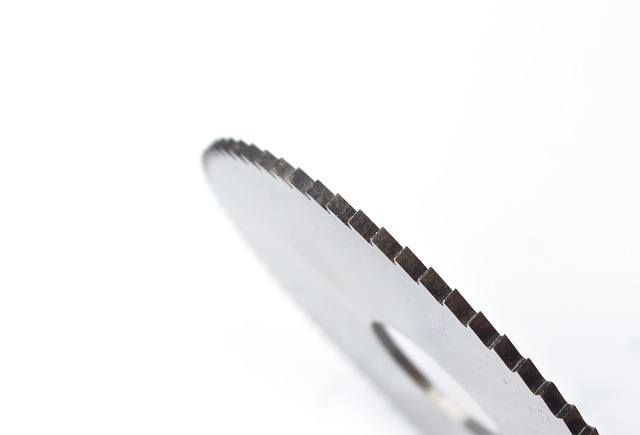
Modern miter saw blades are typically made from high-strength steel with carbide-tipped teeth for durability. The geometry—specifically tooth count and gullet spacing—determines cut smoothness and chip evacuation efficiency. A fine-tooth blade offers precision but generates more heat, while fewer teeth allow faster cuts but increase kickback potential. Balanced tensioning during manufacturing minimizes wobble at high RPMs, which is critical for preventing lateral movement that could interfere with guard alignment.
Blade Guard Mechanisms and Their Functional Limitations
Retractable guards rely on spring tension systems that move synchronously with the cutting arm. Over time, repeated cycles can weaken springs or cause misalignment between the guard’s pivot axis and the blade path. If tension becomes uneven, the guard may lag behind or fail to close completely when the saw returns upright. Operators working at awkward angles—such as bevel cuts—are especially vulnerable because guard coverage may not fully extend across the operator’s line of sight.
Safety Features in Power Tool Design Standards
Safety requirements for power tools derive from both voluntary industry standards and enforceable regulations. Yet compliance does not always translate into real-world protection if testing protocols fail to replicate field conditions accurately.
Regulatory Framework Governing Saw Safety Features
ANSI B575 and OSHA 1910 standards define minimum expectations for guarding systems, electrical insulation, and emergency stop functions in stationary tools like miter saws. These frameworks emphasize mechanical containment rather than dynamic hazard prevention. Manufacturers often interpret “reasonable safety” as meeting these benchmarks rather than exceeding them through advanced engineering controls such as sensors or automatic braking systems.
Comparative Review of Competing Brand Safety Systems
Competitors such as Bosch and Makita have introduced electronic brakes capable of stopping a miter saw blade within two seconds after trigger release. Some newer models feature dual-action guards combining mechanical coverage with optical sensors that detect operator proximity. Compared with these innovations, DeWalt’s reliance on purely mechanical safeguards appears conservative, reflecting an older generation of design philosophy focused more on reliability than adaptive protection.
Potential Design Factors Contributing to the Lawsuit Allegations
Design interdependencies between components can produce unexpected results when tolerances shift under load or environmental stressors change. The lawsuit suggests such interactions may have been underestimated during development.
Interaction Between Blade Design and Guard Functionality
Blade geometry influences airflow patterns around the cutting area; aggressive tooth profiles can generate suction forces that pull lightweight plastic guards inward or upward prematurely. During high-torque startup, centrifugal acceleration can also distort alignment momentarily before stabilizing at full speed. If testing procedures failed to capture these transient states, engineers might not have observed how small timing differences could expose users briefly to an unshielded edge.
Ergonomic Considerations Affecting Safe Operation
Handle positioning affects leverage and control during compound cuts. When handles sit too far forward relative to pivot points, operators must lean closer to maintain accuracy—reducing reaction time if something goes wrong. Trigger sensitivity also matters; overly light triggers increase accidental activation risk when adjusting workpieces mid-task. Extended sessions contribute to fatigue-induced lapses where even compliant designs cannot compensate for slower reflexes or inconsistent grip strength.
Material Science and Failure Analysis Perspectives
Investigating material properties provides clues about long-term durability issues often invisible during prototype evaluation but evident after months of field use.
Metallurgical Factors in Blade Durability and Fracture Risks
Carbide tips bonded via brazing must withstand cyclic stress without delamination. Improper heat treatment can create microstructural brittleness near tooth bases where stress concentrates most intensely during crosscuts through dense hardwoods or metals. Over time, microfractures propagate radially from these zones until catastrophic failure occurs—a rare but severe event capable of shattering guards not designed for impact containment.
Impact Testing and Real‑World Performance Evaluation Techniques
Laboratory tests typically simulate kickback by binding sample boards under controlled torque loads while monitoring deflection angles and braking response times. However, real-world conditions introduce variables like dust contamination or uneven clamping pressure that affect outcomes unpredictably. Bridging this gap requires integrating accelerated life-cycle testing with post-market surveillance data so engineers can correlate laboratory metrics directly with actual injury reports before new models reach mass production.
Broader Implications for Product Liability in Power Tools
The implications extend beyond one brand or product line; they challenge fundamental assumptions about how consumer-grade tools should balance innovation against foreseeable hazards.
Manufacturer Accountability in Safety System Integration
Effective safety depends on system-level harmony among mechanical parts, electronics, labeling clarity, and user training materials. Courts increasingly evaluate whether companies communicated residual risks transparently rather than relying solely on warnings buried in manuals few users read thoroughly. Product liability law distinguishes between inherent danger—inevitable given tool function—and defect-related danger arising from preventable design oversights.
Future Directions for Safer Miter Saw Engineering
Emerging research explores sensor-based automatic stops triggered by proximity detection similar to flesh-sensing technology used in table saws. AI-driven diagnostics could monitor motor current fluctuations indicative of bearing wear or spring fatigue before physical symptoms appear. As litigation pressures mount, industry bodies may revisit ANSI definitions of “adequate guarding,” pushing toward smarter safety integration combining mechanical robustness with predictive intelligence.
FAQ
Q1: What is the main issue in the DeWalt miter saw lawsuit?
A: Plaintiffs claim defective blade guards failed to cover active blades properly during operation, leading to serious injuries despite normal tool use.
Q2: Are all DeWalt miter saws affected?
A: No specific recall covers all models; allegations focus on particular units where guard assemblies reportedly malfunctioned under certain conditions.
Q3: How do competing brands improve user safety?
A: Some brands incorporate electronic brakes and dual-action guards that respond faster than traditional spring-loaded systems used by older designs.
Q4: What role do ANSI standards play?
A: ANSI sets baseline requirements for guarding systems but does not mandate advanced technologies like sensors or automated stops unless voluntarily adopted by manufacturers.
Q5: Could this case influence future tool design?
A: Yes, ongoing litigation often prompts stricter internal testing protocols and encourages adoption of next-generation protective technologies across the power tool industry.


