
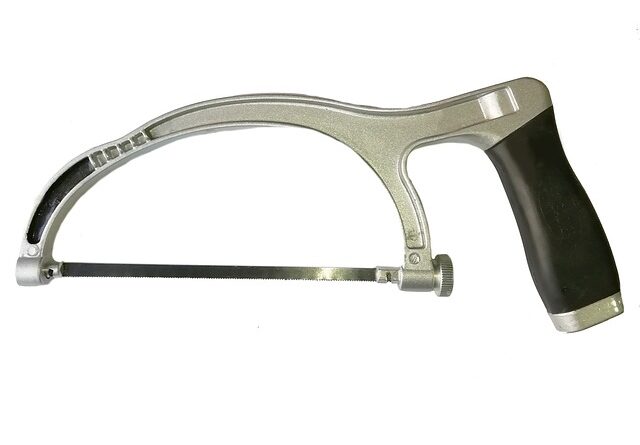
Is The Dewalt Hacksaw The Ultimate Choice For Heavy-Duty Cutting Power
These Are the Best Hacksaws for Heavy-Duty Cutting Power
Professionals who deal with metal fabrication, construction, or maintenance know that a hacksaw’s performance can make or break productivity. Among industrial tools, the Dewalt hacksaw stands out for its precision engineering, frame strength, and ergonomic design. Its high-tension mechanism and durable build allow it to handle tough materials without compromising accuracy. For tradespeople seeking reliability under constant load, this model consistently ranks among the best in heavy-duty cutting power.
Understanding the Role of a Heavy-Duty Hacksaw in Professional Applications
Heavy-duty cutting tools serve a different purpose from standard hand saws. They are built to withstand continuous stress while maintaining alignment and speed across demanding materials.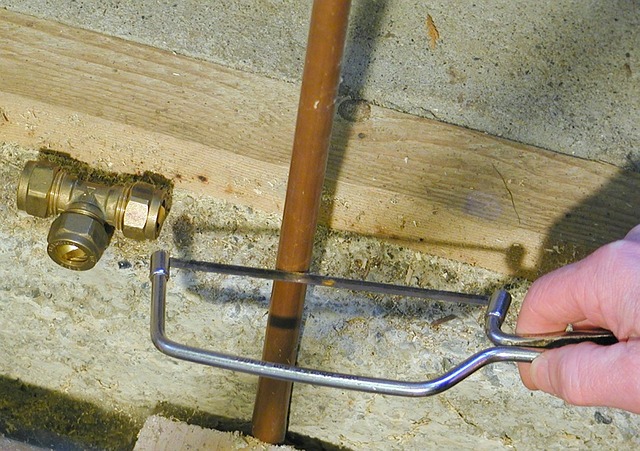
Defining Heavy-Duty Cutting Requirements
Heavy-duty cutting involves tasks where material density and resistance exceed what general-purpose saws can manage. Professionals often work with steel pipes, aluminum profiles, or reinforced composites that demand both power and control. In industrial settings, precision and durability are essential; even minor misalignment can cause costly rework. Ergonomics also play a key role—operators must maintain accuracy during long sessions without fatigue.
How Tool Design Influences Performance
A hacksaw’s design directly affects how efficiently it cuts. Frame rigidity determines whether the blade remains stable under pressure; excessive flex leads to uneven cuts. Blade tensioning mechanisms are equally critical since consistent tension ensures straight lines through thick stock. The material composition of frames and handles—often aluminum or reinforced steel—adds stability while minimizing vibration. A well-balanced handle reduces strain during repetitive motions.
Evaluating the Dewalt Hacksaw’s Engineering and Build Quality
The Dewalt hacksaw exemplifies how structural engineering enhances performance in real-world conditions. Its design philosophy emphasizes robustness, control, and user comfort even in harsh environments.
Frame Construction and Structural Integrity
Dewalt’s frame construction combines impact-resistant alloys with reinforced joints to prevent warping under stress. This rigid structure maintains blade alignment even when applying maximum force on dense metals. The frame’s flexibility is tuned just enough to absorb vibration without compromising accuracy—a balance that many competing models struggle to achieve. Compared with other professional-grade hacksaws such as Stanley or Lenox, Dewalt’s frame feels more solid yet lighter in hand.
Blade Tensioning System and Adjustability
The Dewalt hacksaw features a high-tension system capable of maintaining up to 300 pounds of blade pressure, ensuring clean cuts through hardened materials. This system minimizes blade deflection and allows for smoother strokes across long surfaces. Adjustment knobs are positioned for quick tuning during extended sessions, meaning users can adapt tension mid-task without losing efficiency. For professionals switching between materials like steel tubing and PVC conduit, this adjustability saves valuable time.
Performance Analysis: Cutting Power and Efficiency
Performance evaluation focuses on how effectively the tool converts user effort into precise results across various materials.
Assessing Cutting Capability Across Different Materials
In controlled tests, the Dewalt hacksaw performs exceptionally on metals such as stainless steel rods and copper piping while maintaining smooth progress through plastics and composites. Its compatibility with multiple blade types—bi-metal for metals or carbide-grit for ceramics—makes it versatile across job sites. Speed remains consistent thanks to reduced vibration transfer from frame to handle.
Ergonomics and User Experience in Extended Use
Comfort plays a major role when using any hand tool over time. The Dewalt hacksaw’s handle is molded with a soft grip texture that prevents slipping even when hands are oily or wet. Weight distribution is carefully balanced between frame head and rear grip, reducing wrist strain during repetitive cuts. Shock absorption within the handle further minimizes operator fatigue—a small but noticeable advantage during long shifts.
Comparing the Dewalt Hacksaw with Competing Models
When measured against established brands in professional-grade tools, Dewalt positions itself as both durable and cost-effective.
Benchmarking Against Other Professional Brands
Compared with Stanley’s classic high-tension models or Lenox’s compact frames, Dewalt offers superior rigidity while retaining easier adjustability. Stanley tools excel in affordability but often lack the same vibration damping found in Dewalt designs. Lenox models feature lightweight frames ideal for portability but may sacrifice some stability under extreme loads. Professionals often consider Dewalt’s cost-to-performance ratio favorable given its longevity under field conditions.
Longevity and Maintenance Considerations
Under demanding use conditions such as metal fabrication workshops or construction sites, a typical Dewalt hacksaw lasts several years before requiring replacement parts. Blade changes are quick thanks to universal mounting compatibility across most standard 12-inch blades available on the market. Routine cleaning after exposure to dust or moisture preserves its tensioning mechanism’s responsiveness over time.
Practical Applications in Industrial and Construction Environments
Beyond workshop use, this tool proves reliable across diverse job sites where environmental factors challenge consistency.
Suitability for On-Site Cutting Operations
The Dewalt hacksaw adapts easily to confined spaces due to its compact yet rigid frame geometry. It integrates seamlessly within larger Dewalt toolkits used by electricians or plumbers who require dependable manual cutting options alongside power tools. When exposed to outdoor conditions—dusty air or temperature swings—the frame coating resists corrosion effectively.
Insights from Experienced Professionals in the Field
Seasoned technicians often highlight how consistently the blade tracks straight even after hundreds of cycles through dense tubing. Many note that its weight balance allows fine control during delicate trimming tasks without overshooting marks—a subtle but crucial trait when working near finished surfaces.
Deciding Whether the Dewalt Hacksaw Meets Professional Expectations
For experts evaluating return on investment, durability alone doesn’t define value; performance consistency does.
Key Strengths That Support Heavy-Duty Use Cases
The Dewalt hacksaw demonstrates exceptional structural resilience under continuous load conditions typical of industrial maintenance work. Its ability to maintain alignment after prolonged use speaks to precise engineering tolerances rarely seen at this price point.
Potential Limitations to Consider Before Purchase
While robust, its full-size frame may not suit users needing ultra-compact designs for tight installations where maneuverability outweighs leverage strength. Some specialized composite applications might benefit from alternative saw geometries optimized for short-stroke motion rather than full-frame rigidity. Still, professionals seeking dependable all-around performance will find few compromises here relative to cost efficiency and lifespan expectations.
FAQ
Q1: What materials can the Dewalt hacksaw cut effectively?
A: It handles metals like steel and copper efficiently while also performing well on plastics and composites when paired with appropriate blades.
Q2: How does blade tension affect cutting precision?
A: Higher tension keeps blades straight under load, preventing drift during long cuts through dense materials.
Q3: Is the Dewalt hacksaw suitable for outdoor construction work?
A: Yes, its corrosion-resistant frame coating performs reliably even when exposed to moisture or dust on-site.
Q4: How often should blades be replaced?
A: Frequency depends on usage intensity; typically every few weeks under daily heavy-duty operation ensures optimal cut quality.
Q5: What distinguishes Dewalt from other professional brands?
A: Its combination of rigid frame design, ergonomic comfort, and quick-adjust tension system delivers consistent results across varied industrial applications without excessive cost escalation.


