
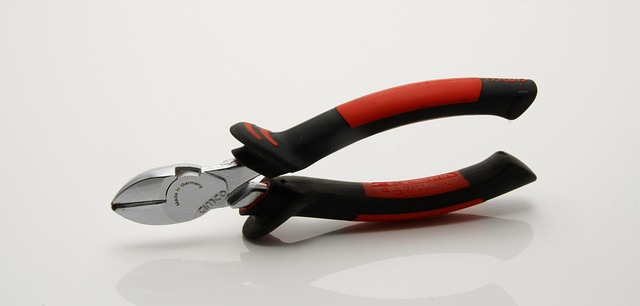
Are Side Cutter Pliers Still the Precision Choice Among the Best Wire Cutters of 2026
Wind Turbine Blades Find New Life as Concrete Barriers in Des Moines Construction Projects
Repurposing decommissioned wind turbine blades into concrete barriers offers a tangible solution to one of renewable energy’s least-discussed waste problems. As thousands of turbines reach the end of their service life, cities like Des Moines are turning composite waste into durable infrastructure. The approach, known as concrete blade technology, not only diverts large fiberglass structures from landfills but also strengthens urban materials with innovative engineering. The outcome is both practical and symbolic: renewable energy closing its own material loop.
The Growing Challenge of Wind Turbine Blade Waste
The wind industry faces a mounting issue as early-generation turbines approach retirement. Each blade—often exceeding 50 meters in length—is made from layered composites that resist decay and defy easy recycling. This creates a paradox for an industry built on sustainability.
Understanding the Scale of Decommissioned Blades
Across North America and Europe, thousands of blades are being dismantled annually, producing significant volumes of composite waste. Fiberglass reinforced with epoxy or polyester resin forms the core structure, materials valued for strength yet problematic at disposal. Conventional recycling systems cannot easily separate these bonded layers, leading many operators to opt for landfilling or incineration. Regulators increasingly view such practices as inconsistent with circular economy goals within the renewable sector.
Limitations of Current Recycling Methods
Mechanical shredding can reduce blade size but often damages fiber integrity, limiting reuse potential. Thermal processing methods recover some energy but release carbon emissions and degrade polymer chains. Chemical recycling technologies show promise yet remain costly and energy-intensive when scaled beyond laboratory conditions. Moreover, without standardized infrastructure or policy mandates, most regions lack viable pathways to reintegrate these composites into new products.
Integrating Wind Turbine Blades into Concrete Infrastructure
Researchers and engineers have begun exploring ways to reincorporate blade materials directly into civil construction projects. This approach reframes waste as resource by embedding shredded composites within concrete—a method now gaining traction under the term concrete blade technology.
The Concept of Concrete Blade Technology
Concrete blade technology involves cutting or shredding turbine blades into manageable segments that act as reinforcement within concrete mixtures. These composite fragments can replace part of the aggregate while enhancing toughness and crack resistance. By substituting virgin stone or sand with recycled fibers, projects reduce extraction impacts and extend material utility beyond a turbine’s operational life. Hybrid formulations combining traditional aggregates with composite fillers are being trialed for improved mechanical balance.
Material Compatibility and Engineering Considerations
The success of this innovation depends on how well blade fibers bond with cementitious matrices. Engineers analyze interfacial adhesion through microscopy and mechanical testing to ensure load transfer efficiency between fiber and paste. Variability in resin chemistry across manufacturers poses challenges; older blades may contain different curing agents or fillers affecting hydration reactions. Therefore, mix design must adapt to each batch’s composition while maintaining predictable compressive strength and durability performance.
Case Application: Des Moines Construction Projects
Des Moines has become a proving ground for this circular construction concept. Local agencies collaborated with researchers to incorporate recycled turbine blades into public infrastructure, particularly roadside barriers designed for heavy traffic exposure.
Implementation in Local Infrastructure Development
Pilot installations across city highways use precast barriers containing up to 10% blade-derived aggregate by volume. Municipal engineers partnered with regional universities and private contractors to refine processing methods—from cutting geometry to mixing protocols—to maintain uniformity in production. Field monitoring tracks barrier performance under freeze-thaw cycles, vehicular impact loads, and seasonal moisture variations.
Economic and Environmental Implications for Urban Projects
Preliminary cost assessments show that concrete barriers made with recycled composites can compete economically with conventional ones once transportation and landfill fees are considered. The environmental gain is notable: each reused blade diverts several tons of non-biodegradable material from disposal while reducing demand for quarried aggregates. Over time, establishing local processing hubs could stimulate regional supply chains dedicated to blade recycling operations.
Technical Evaluation of Concrete Blade Performance
Material scientists continue evaluating how these hybrid concretes perform compared with steel-reinforced or polymer-modified alternatives. Laboratory results guide field deployment standards that balance sustainability with safety requirements.
Mechanical Properties Assessment
Testing reveals that fiber orientation significantly influences tensile resistance and fracture toughness. Randomly distributed fibers improve crack control but may slightly reduce compressive strength relative to plain mixes due to entrapped air during blending. Optimal particle size distribution enhances bonding efficiency without compromising workability. Comparisons against steel-reinforced benchmarks indicate that composite-infused concretes achieve competitive flexural strength at lower weight ratios.
Durability Under Environmental Stressors
Durability testing under accelerated aging shows promising resilience against freeze-thaw damage and chloride intrusion—critical factors for road barriers exposed to deicing salts. Composite fibers exhibit minimal corrosion risk compared with steel reinforcement, extending potential service life in harsh climates. Long-term monitoring focuses on detecting microcracking or delamination patterns that could signal fatigue over decades of use.
Advancing Circular Economy Through Composite Reuse Strategies
The integration of wind turbine blades into construction aligns closely with broader circular economy principles now shaping industrial policy worldwide.
Policy Frameworks Supporting Sustainable Materials Innovation
Federal initiatives promoting renewable material reuse encourage municipalities to adopt sustainable procurement standards favoring recycled composites. Certification systems such as LEED or Envision recognize credits for innovative waste diversion strategies within infrastructure projects, motivating developers toward greener sourcing choices. Public-private partnerships remain essential for scaling pilot programs into commercial operations capable of handling national volumes of decommissioned blades.
Future Research Directions in Composite Material Utilization
Future studies aim to standardize test protocols specific to composite-infused concrete so performance data can be compared across regions and manufacturers. Automation technologies—robotic cutting arms or precision shredders—could make processing more efficient while improving worker safety during decommissioning stages. Beyond barriers, potential applications include retaining walls, pedestrian bridges, or even modular housing panels where lightweight yet durable materials are advantageous.
FAQ
Q1: How long can concrete barriers made from recycled wind turbine blades last?
A: Early projections suggest similar lifespans to conventional barriers—typically 30–40 years—with reduced corrosion risks due to nonmetallic reinforcement.
Q2: Do composite fibers affect the curing process of concrete?
A: Slightly; resin-coated fibers may alter hydration kinetics but proper mix adjustments mitigate this effect without compromising structural integrity.
Q3: What percentage of a wind turbine blade can be reused in construction?
A: Depending on processing efficiency, up to 90% by mass can be converted into usable filler or reinforcement components within various concrete products.
Q4: Are there regulatory standards governing this practice?
A: While no universal code exists yet, ongoing collaborations among ASTM committees and research institutions aim to formalize testing guidelines for composite reuse in cementitious materials.
Q5: Could this approach expand beyond Des Moines?
A: Yes; several U.S. states have expressed interest in replicating the model once logistical frameworks for collection and processing become regionally established.


