
Are Flatback Earrings the Key to Comfort and Style in Professional Jewelry Design
Flat Back Earrings For Women Thunaraz 24-Piece Dainty Flat Back Earrings Set
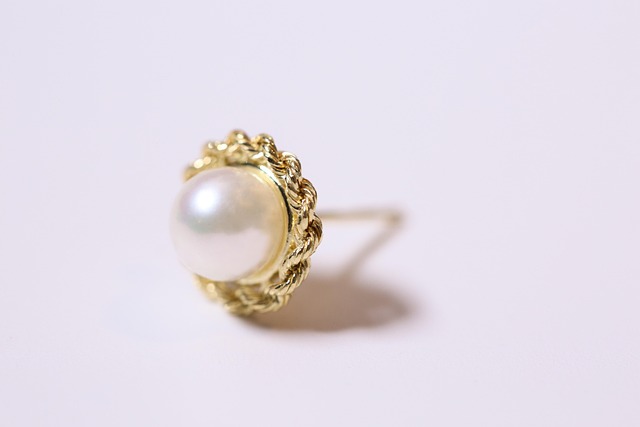
Flatback earrings have evolved from functional piercing accessories into refined pieces of professional jewelry design. The Thunaraz 24-piece dainty flat back earrings set represents this transformation, merging comfort, precision, and elegance. These earrings are engineered for long wear without irritation, appealing to both jewelers and consumers seeking ergonomic luxury. Their minimalist geometry allows seamless integration into multi-piercing styles while maintaining a polished aesthetic. For designers, such sets serve as valuable study models for post alignment, clasp tension, and dimensional accuracy—principles that mirror engineering calibration standards like those used in a miter gauge table saw.
The Concept And Functionality Of Flatback Earrings
Flatback earrings mark a shift toward comfort-driven jewelry architecture. In professional design circles, their structure is valued not only for visual restraint but also for its contribution to wearability.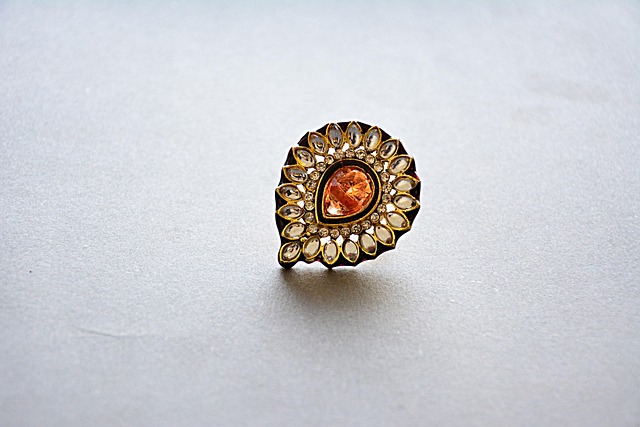
Flatback Earrings Feature A Smooth, Flat Backing That Sits Flush Against The Ear
This design minimizes protrusion and prevents snagging on clothing or hair. By resting flush against the skin, the backing distributes pressure evenly across the earlobe rather than concentrating it at a single point.
Their Design Reduces Irritation And Pressure, Making Them Suitable For Long-Term Wear
Flatbacks are favored by clients with sensitive ears or multiple piercings. The smooth contact surface avoids abrasion during daily activities such as sleeping or exercising, which traditional butterfly backs often fail to accommodate.
This Structure Supports Both Aesthetic Refinement And Ergonomic Comfort
Professional jewelers appreciate how the flatback’s discreet form enhances gemstone visibility from the front while maintaining structural integrity behind the ear. It’s an equilibrium of form and function that defines modern luxury craftsmanship.
Evolution Of Flatback Designs In Modern Jewelry Making
From utilitarian origins to high-end artistry, flatbacks illustrate how small engineering refinements can reshape entire product categories in jewelry.
Early Designs Focused On Practicality For Piercings And Healing Comfort
Initially developed for medical-grade piercings, these earrings prioritized hygienic materials like surgical steel and titanium. Their purpose was purely functional—to protect healing tissue from friction and infection.
Contemporary Iterations Combine Minimalism With Luxury Materials Such As Gold, Titanium, And Surgical Steel
Today’s versions incorporate 14K gold finishes and diamond accents without compromising comfort. This blend of fine metals with ergonomic precision appeals to both luxury buyers and professional stylists.
The Integration Of Precision Engineering Has Elevated Their Role In Professional Jewelry Design
Advanced CAD software allows designers to simulate post curvature and clasp pressure before production. This precision mirrors industrial calibration methods used in mechanical tools where tolerance defines performance consistency.
The Role Of Comfort In High-End Jewelry Craftsmanship
Comfort has become an essential parameter in evaluating fine jewelry quality. Consumers no longer separate beauty from usability; both must coexist seamlessly.
Ergonomic Considerations In Earring Design
Every detail—from post thickness to weight balance—affects how an earring feels after hours of wear. Flatbacks reduce friction points common in screw-back systems by eliminating unnecessary threading or sharp edges.
Material Selection For Enhanced Comfort And Safety
Hypoallergenic alloys such as titanium or surgical stainless steel remain industry standards due to their biocompatibility. Lightweight compositions maintain stability even with gemstone embellishments.
Surface Finishing Techniques Contribute To Smooth Contact Points Behind The Ear
High-polish finishing eliminates micro-abrasions that could irritate skin over time. Jewelers often apply ultrasonic cleaning followed by buffing compounds to achieve mirror-like smoothness on each backing plate.
Aesthetic Versatility Of Flatback Earrings In Professional Collections
The restrained geometry of flatbacks makes them adaptable across diverse fashion contexts—from minimalist daywear to red-carpet ensembles.
Minimalist Design As A Hallmark Of Modern Elegance
Their clean silhouettes align with current trends emphasizing simplicity over ornamentation. Designers often use them as base canvases for showcasing gemstone clarity or intricate metal texturing.
Integration Into Multi-Piercing And Layered Jewelry Styles
Flatbacks excel in curated ear aesthetics where multiple piercings require balanced spacing and comfort. Their compact backs prevent crowding between adjacent studs or hoops.
Their Secure Fit Supports Complex Earring Arrangements In Editorial Styling
Stylists favor them during photoshoots because they remain stable under movement and lighting adjustments—small details that influence overall presentation quality in professional imagery.
Technical Precision: Comparing Jewelry Design To Engineering Principles
Jewelry fabrication increasingly parallels industrial design disciplines where measurement accuracy dictates success. Here, craftsmanship meets mechanical science.
Parallels Between Jewelry Assembly And Tool Calibration Concepts
The alignment process in earring posts resembles setting angles on a miter gauge table saw—both demand exact calibration for consistent output. Even minor deviations can alter symmetry or tension response.
Importance Of Dimensional Accuracy In Fine Jewelry Production
Precision modeling through CAD ensures each piece maintains geometric harmony across production batches. Tolerance errors measured in fractions of a millimeter can affect clasp reliability over time.
Evaluating The Thunaraz 24-Piece Dainty Flat Back Earrings Set For Professionals
For professionals analyzing consumer-ready examples, this Thunaraz collection offers practical insight into scalable yet refined design execution.
Design Diversity Within The Set Collection
The set includes stars, bars, hearts, and round studs—each sharing uniform post dimensions ideal for comparative testing or retail display configuration exercises within studio environments.
Practical Applications For Jewelry Designers And Retail Specialists
Designers may use these earrings as demonstration tools when explaining ergonomic principles to clients seeking comfort-oriented customization options or apprentices learning about post mechanics.
Provides Insight Into Consumer Preferences Regarding Minimalist Yet Durable Accessories
Market demand favors lightweight yet resilient designs; this collection exemplifies that balance through consistent polish quality and secure push-fit closures suited for daily wear scenarios.
Future Directions For Flatback Earring Innovation In Professional Jewelry Design
As technology advances, next-generation flatbacks will likely merge adaptive materials with sustainable manufacturing ethics—a dual focus shaping future jewelry standards globally.
Technological Advancements Influencing Next Generation Designs
Additive manufacturing enables micro-customization at scale, allowing jewelers to adjust curvature profiles per wearer anatomy without manual retooling—a practice already gaining traction among bespoke ateliers.
Sustainability Considerations In Material Sourcing And Production Methods
Recycled precious metals now meet purity benchmarks equivalent to mined sources while reducing environmental footprint. Energy-efficient foundry operations further align with ethical consumer expectations prevalent in premium markets today.
FAQ
Q1: What distinguishes flatback earrings from traditional stud backs?
A: Flatbacks feature a smooth rear plate instead of a butterfly clutch or screw mechanism, offering improved comfort and reduced skin irritation during extended wear.
Q2: Are flatback earrings suitable for newly pierced ears?
A: Yes, their non-abrasive backing supports healing by minimizing friction against sensitive tissue compared with conventional fasteners.
Q3: How do jewelers maintain precision when producing flatbacks?
A: They rely on CAD modeling tools similar to calibration methods used in mechanical equipment like a miter gauge table saw to achieve consistent dimensional accuracy.
Q4: Why do professionals prefer titanium or surgical steel for flatbacks?
A: These hypoallergenic metals resist corrosion and maintain strength under frequent use while remaining gentle on skin contact areas.
Q5: What makes the Thunaraz 24-piece set valuable for design analysis?
A: Its variety of shapes within standardized dimensions provides an excellent reference model for studying ergonomics, style diversity, and consumer appeal simultaneously.


