
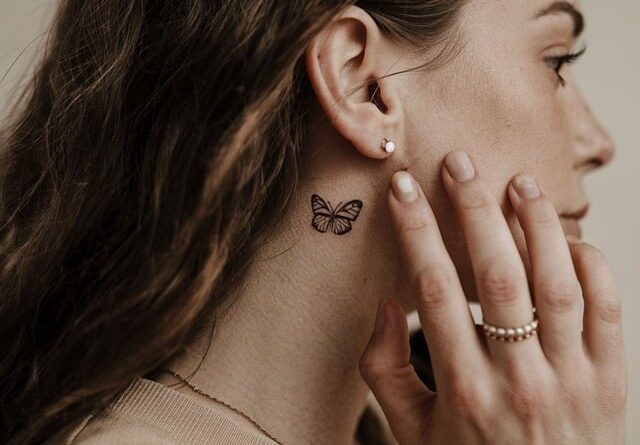
Are Pandora Earrings Studs Redefining Sustainability in Lab-Grown Diamonds
5 Tips For Styling Your Earscape and Ear Piercings
A professional earscape design merges artistry with precision. It’s not just about stacking earrings; it’s about creating balance, proportion, and visual rhythm across the ear. Small stud earrings play a vital role in this curation—they anchor the composition while keeping it elegant and work-appropriate. From metal selection to fabrication tools like a cut off wheel for grinder, every detail influences the final aesthetic. The following sections explore how professionals approach earscape styling through design principles, material choices, and technical craftsmanship.
Understanding the Concept of a Professional Earscape Design?
Professional earscaping has become an intentional form of self-expression within corporate and creative circles alike. The practice focuses on symmetry, proportion, and subtle contrasts that signal refinement rather than excess.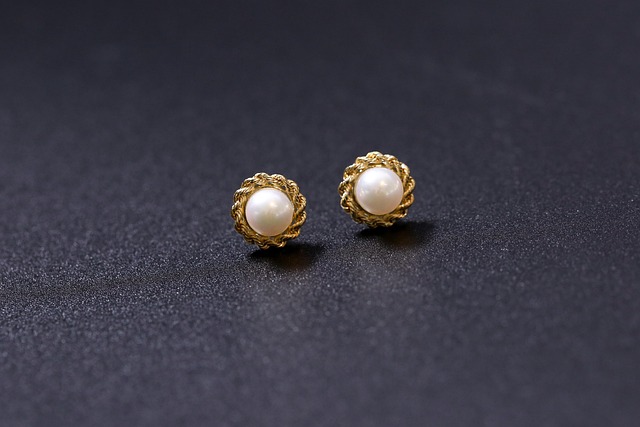
The Evolution of Earscaping in Professional Styling
Earscaping has progressed from simple piercings into curated compositions where each piece contributes to a cohesive visual story. Today’s professionals view the ear as a miniature design canvas that mirrors personal taste while maintaining workplace decorum. Trends now highlight proportional harmony between jewelry elements—balancing sparkle with restraint.
The Role of Minimalism in Modern Earscape Aesthetics
Minimalism defines contemporary earscape aesthetics by removing clutter and emphasizing clarity. Small stud earrings are favored because they provide structure without distraction. Clean lines, geometric forms, and muted materials such as brushed gold or polished silver align well with formal environments where understated sophistication is valued.
The Strategic Use of Small Stud Earrings in Ear Curation?
Small studs are more than decorative accents—they shape the overall rhythm of an ear composition. Their placement determines whether the design feels balanced or chaotic.
Creating Visual Balance Across Multiple Piercings
In multi-pierced arrangements, small studs act as anchor points that connect larger or more textured pieces. By repeating uniform metals or tones—say platinum across all piercings—the result appears deliberate and harmonious. This technique also maintains symmetry along the ear contour, especially important when viewed from professional settings like meetings or presentations.
Enhancing Dimension Through Layered Placement
Layering different stud sizes adds subtle depth while preserving simplicity. Positioning smaller studs along the helix or tragus introduces rhythm without overwhelming the lobe area. Proper spacing between piercings prevents overcrowding, allowing each piece to breathe visually while still contributing to a unified whole.
Material and Finish Considerations for Professional Appeal?
Material selection directly affects how an earscape interacts with skin tone, attire, and lighting conditions. Professionals often treat these choices as part of their wardrobe strategy rather than mere decoration.
Selecting Metals That Complement Skin Tone and Attire
Gold projects warmth and authority; silver conveys modernity; platinum suggests timeless refinement. Matching metal tones to one’s clothing palette creates visual consistency across daily wear. Hypoallergenic options like titanium or medical-grade steel also matter since comfort is essential during long workdays or travel.
The Importance of Surface Finish and Texture in Design Cohesion
Surface finish subtly defines character within an earscape. Polished metals reflect precision suited for formal contexts, while matte or brushed textures introduce quiet contrast ideal for layered designs. Mixing finishes—such as pairing a high-shine stud with a satin-finish cuff—adds tactile interest without breaking cohesion.
Integrating Functional Tools in Jewelry Craftsmanship: Precision with Cut Off Wheels for Grinders?
Behind every refined stud lies meticulous craftsmanship supported by specialized tools. In jewelry workshops, precision cutting instruments determine both aesthetic quality and structural integrity.
How Cut Off Wheels Contribute to Jewelry Detailing
A cut off wheel for grinder enables artisans to refine edges cleanly on small-scale pieces like studs or hoops. Controlled grinding ensures symmetrical shapes across matching sets while reducing micro-burrs that could irritate skin. Tool accuracy directly influences durability since smoother cuts minimize stress points in precious metals.
Safety and Technique in Jewelry Fabrication Processes
Using appropriate wheel types—thin abrasive discs for delicate cuts—reduces risk of heat distortion during shaping. Skilled hand control keeps fine details intact even under magnification-level precision work. Routine maintenance of grinders maintains consistent performance across production batches, reinforcing both safety standards and finish quality expected in professional jewelry making.
Professional Styling Techniques to Elevate an Earscape Design?
Styling extends beyond fabrication—it involves aligning jewelry placement with facial proportions, hairstyle flow, and personal context.
Coordinating Stud Arrangements with Facial Features and Hairstyle
Stud alignment should complement natural symmetry rather than compete with it. For instance, positioning slightly larger studs near the jawline can balance strong cheekbones, while smaller ones near the upper helix soften angular features. Hairstyles also influence visibility; tucked-back hair benefits from more pronounced spacing to maintain proportionate emphasis.
Combining Studs with Other Jewelry Elements for Depth and Character
Pairing small stud earrings with minimalist hoops or cuffs creates hierarchy within the layout—each element serving a defined role in visual storytelling. Consistent spacing avoids tension between components while maintaining orderliness expected in professional environments. Layering techniques allow personality expression yet preserve restraint crucial for formal settings.
FAQ
Q1: How many small studs are ideal for a balanced professional earscape?
A: Typically three to five placements per ear create harmony without appearing crowded; balance matters more than quantity.
Q2: Which metal suits most skin tones?
A: Neutral metals like white gold or platinum complement most undertones while maintaining a polished appearance suitable for office wear.
Q3: Why is tool precision important when crafting earrings?
A: Precise tools such as a cut off wheel for grinder produce cleaner edges that enhance comfort and longevity of fine jewelry pieces.
Q4: Can minimalistic designs still express individuality?
A: Yes, subtle variations in size, texture, or arrangement allow personal expression within professional boundaries.
Q5: How often should grinding tools be maintained?
A: Regular inspection after every few uses helps prevent uneven cuts and preserves both safety standards and finish consistency across designs.


