
Is A Mini Saw The Precision Tool Experts Prefer For Tricky Pruning Jobs
The Mini Japanese Saw That’s Ideal for Tricky Pruning Jobs
Precision pruning demands a tool that balances delicacy and strength. Among professional arborists and horticultural specialists, the mini saw—particularly the Japanese variant—has become indispensable for complex trimming tasks. Its compact design, pull-stroke cutting method, and finely engineered teeth make it ideal for accessing dense or awkward growth areas without harming surrounding tissue. Compared to Western saws, the Japanese mini saw emphasizes finesse over force, delivering surgical-level accuracy in every cut. For experts seeking controlled performance in confined or sensitive pruning environments, this tool stands out as the most reliable choice.
Understanding the Role of a Mini Saw in Precision Pruning?
A mini saw plays a crucial role where large tools risk damaging delicate plant structures. It allows precise shaping of ornamental plants and ensures minimal stress on living tissues during maintenance work.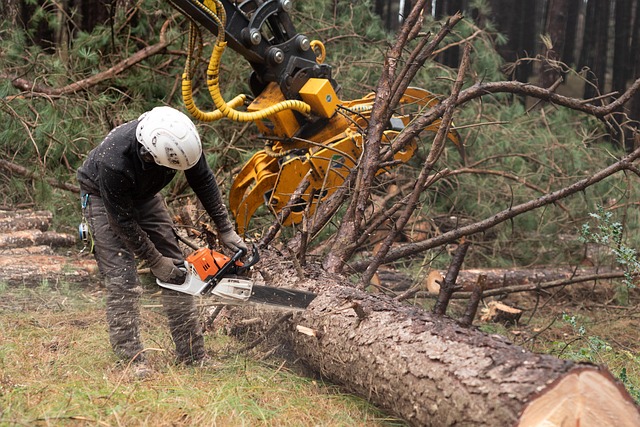
Characteristics That Define a Mini Saw
The defining feature of a mini saw lies in its compact blade design, which enables controlled and detailed cuts even within dense canopies. Fine-toothed edges help reduce tearing and promote clean pruning lines that heal faster. Its lightweight construction supports maneuverability in confined spaces such as bonsai arrangements or tight shrub clusters. Professionals often select models with ergonomic grips to maintain stability during repetitive trimming sessions.
The Importance of Precision in Pruning Tasks
Accurate cuts are essential to minimize plant stress and encourage healthy regrowth. When branches are trimmed precisely at the node, nutrient flow remains uninterrupted, reducing recovery time. Precision tools also help maintain structural balance in ornamental plants, preserving their aesthetic symmetry. Controlled cutting further reduces damage to surrounding buds and branches—a critical factor when working on fruit-bearing trees or decorative shrubs.
Why Experts Prefer Mini Japanese Saws for Complex Pruning Work?
Japanese mini saws have earned global respect for their craftsmanship and engineering philosophy. Their design prioritizes control over brute strength, making them particularly effective for fine horticultural tasks.
Design Principles Behind Japanese Mini Saws
The hallmark of a Japanese mini saw is its pull-stroke cutting mechanism, which enhances accuracy and control by engaging the blade only on the backward motion. This method reduces blade flexing and user fatigue during long sessions. Thin yet resilient blades allow access to tight or awkward angles often encountered in dense foliage. Traditional craftsmanship ensures durability through meticulous heat treatment and tooth alignment, resulting in consistent performance across different wood densities.
Comparing Japanese Mini Saws with Western Alternatives
While Western saws typically rely on push-stroke mechanics emphasizing power, Japanese models focus on finesse with minimal resistance during cuts. This distinction makes them particularly suited for delicate live wood where excessive pressure can cause tearing. Blade geometry differences also influence cutting efficiency; Japanese teeth are sharper with smaller kerfs, allowing smoother penetration through fibrous material without splintering.
Evaluating Performance Factors in Tricky Pruning Scenarios
Real-world pruning rarely occurs under ideal conditions. Professionals often face dense growth patterns or hard-to-reach areas where precision tools like mini saws prove invaluable.
Handling Dense or Hard-to-Reach Growth Areas
Narrow blades navigate dense foliage effortlessly without disrupting adjacent stems or buds. Ergonomic handles improve grip stability during intricate maneuvers around overlapping branches. Blade flexibility assists in contour-following cuts along irregular surfaces—especially useful when shaping topiary forms or rejuvenating old shrubs where accessibility is limited.
Managing Different Plant Species and Wood Densities
Different species require distinct approaches due to varying wood textures and moisture levels. Fine-toothed blades suit softwoods and young branches commonly found in ornamental gardens, while coarser teeth may be required for mature or fibrous hardwood structures like wisteria or olive trees. Adjusting technique based on species ensures optimal results; experienced users often vary stroke speed and angle depending on sap content and branch diameter.
Maintenance Practices That Preserve Cutting Precision
Even premium tools lose effectiveness without proper care. Regular maintenance extends lifespan and preserves the sharpness critical for clean cuts.
Proper Cleaning and Storage of Mini Saws
After each use, removing sap residues prevents corrosion that dulls edges over time. Cleaning with mild solvents followed by thorough drying maintains blade integrity across seasons. Dry storage conditions protect metal components from humidity-induced rusting, while regular inspection helps identify early signs of wear or misalignment before performance declines noticeably.
Sharpening and Blade Replacement Considerations
Sharpening requires specialized files designed to restore edge sharpness without altering tooth geometry—a key factor for maintaining original cutting behavior. Periodic replacement of worn blades maintains consistent standards expected by professionals handling varied pruning workloads throughout the year. Using authentic replacement parts preserves tool balance and safety during high-precision operations.
Integrating a Mini Saw into Professional Pruning Routines
In professional horticulture, efficiency depends not only on skill but also on selecting appropriate equipment tailored to each task’s demands.
Selecting the Right Tool for Each Task Type
Matching blade length to branch diameter ensures efficient cutting action with minimal effort. Shorter blades excel at detailed shaping work like bonsai maintenance; longer versions handle thicker stems more effectively. Handle designs should align with hand size and working posture to prevent strain during extended sessions, while tooth configuration must reflect both pruning frequency and species type encountered most often.
Enhancing Workflow Efficiency Through Tool Familiarity
Consistent use develops tactile feedback that allows users to sense resistance changes instantly during fine cuts—an advantage when working near buds or graft unions. Familiarity reduces fatigue by refining movement patterns through muscle memory rather than conscious adjustment each time. Skilled handling ultimately translates into faster workflow cycles with cleaner outcomes that require less corrective trimming afterward.
FAQ
Q1: What makes a mini Japanese saw better than standard garden pruners?
A: Its pull-stroke design offers superior control for delicate tasks where pruners might crush fibers instead of slicing cleanly through them.
Q2: How often should professionals replace their mini saw blades?
A: Frequency depends on usage intensity; heavy daily use may require replacement every few months to maintain precision standards.
Q3: Can a mini saw handle thick branches effectively?
A: While capable up to moderate diameters, it’s best reserved for small to medium limbs where accuracy outweighs brute force needs.
Q4: What’s the best way to prevent rust formation on these tools?
A: Keep blades clean from sap residues, dry thoroughly after use, and store them in low-humidity environments away from direct sunlight.
Q5: Are all Japanese mini saws suitable for live wood cutting?
A: Most are optimized for live wood due to their fine tooth geometry; however, selecting specific models labeled for pruning ensures best results across species types.


