
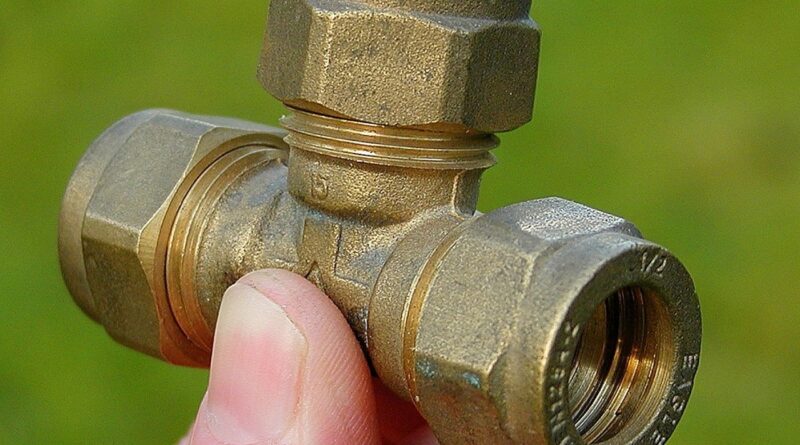
How Do You Choose the Right Fittings & Valves for Industrial Projects?
Why Should You Treat Fittings & Valves as One Piping Package?
When you buy fittings & valves for a water line, air header, steam branch, or small process skid, it is safer to look at them as one piping package. They are not loose parts picked only by size. A strong elbow can still cause trouble if the flange does not match or the valve seat is wrong for the service. This is a common site issue, and it usually starts before the goods even leave the supplier.
Flow, Pressure, and Direction
Fittings guide the flow, while valves stop, start, throttle, or protect it. Both sides need to match the real duty on site. A 90-degree elbow too close to a control valve can create turbulence, and a reducer installed near a pump can affect suction. A check valve fitted in the wrong direction is more than a small installation error; it can lead to backflow, noise, and water hammer. Before talking about price, confirm flow direction, working pressure, test pressure, and temperature.
Matching Connections and Face Types
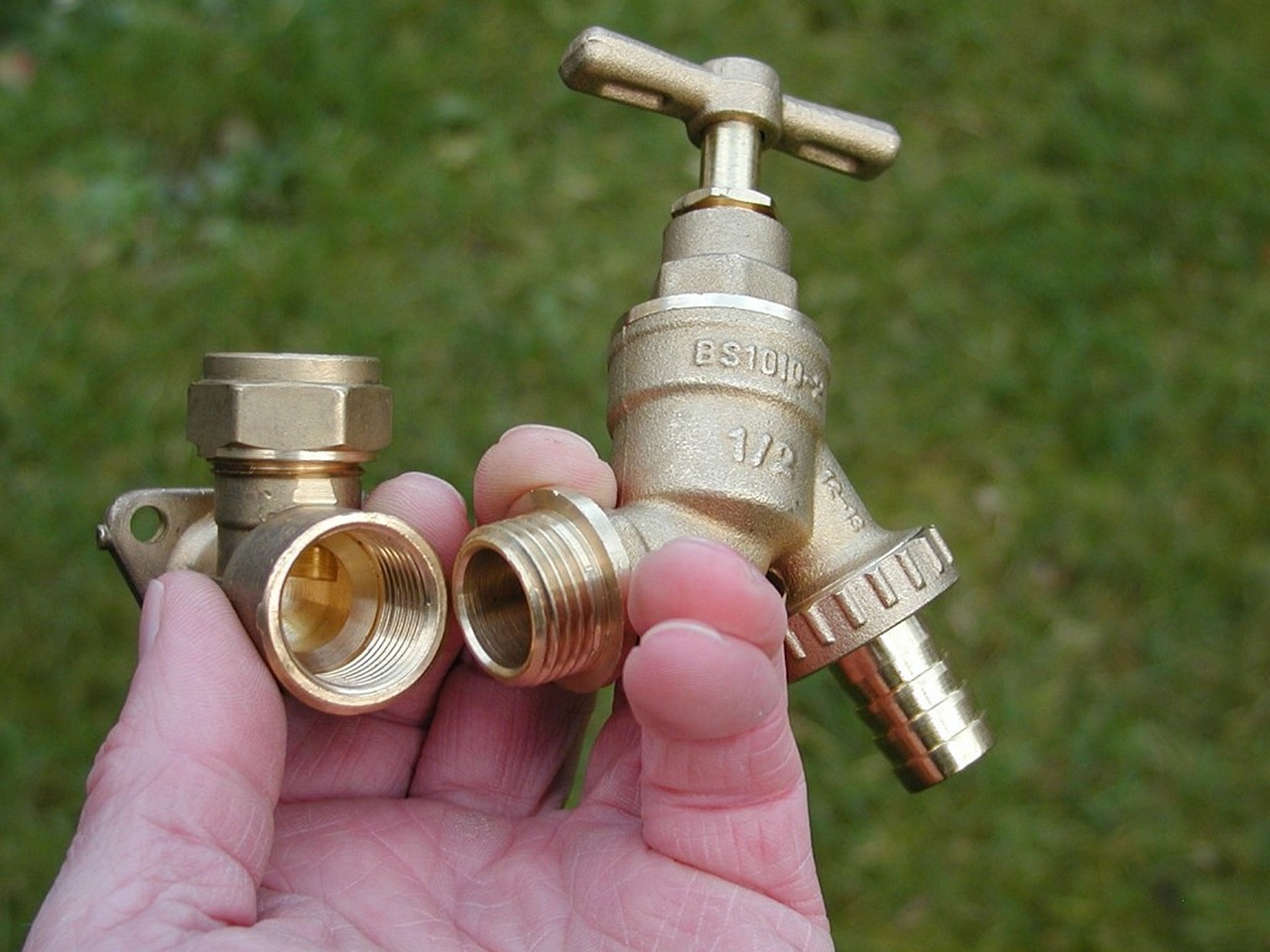
Connection details decide whether the parts can be installed without delay. Threaded, socket weld, butt weld, grooved, and flanged ends are used for different jobs, so the order text has to be clear. For flanged items, face type is also important. Raised face, flat face, and ring-type joint designs need the right gasket and bolt set. A mismatch may look fine in a warehouse photo, but it can stop installation for several hours. For export orders, ask for drawings before production, especially when the buyer and installer follow different local habits.
Maintenance Access from Day One
A workable piping layout leaves enough room for hands, tools, and replacement parts. A valve wheel placed against a wall will become a complaint later. A union or flange near a valve can save time when the part has to be changed. For strainers, check valves, and pressure reducing valves, access is not an extra feature; it is part of the maintenance cost. If the site has seasonal shutdowns or dusty working conditions, choose parts that technicians can open, clean, and close without wasting time.
Which Standards and Data Should Shape Your Choice?
Standards help buyers compare products from different factories with less guessing. They cannot replace an engineering review, but they give everyone the same terms for size, pressure class, materials, marking, testing, and documents. This matters in international trade because the same word can be used in different ways in different markets.
ASME B31.3 for Process Piping
ASME describes B31.3 as a process piping code covering materials and components, design, fabrication, assembly, erection, examination, inspection, and testing. Its public scope includes piping for chemicals, petroleum products, gas, steam, air, water, refrigerants, cryogenic fluids, and other services used in plants and terminals. For daily buying work, the point is simple. If the line is used in a refinery, chemical plant, power plant, pharmaceutical facility, semiconductor plant, or similar site, fittings and valves should be checked against the project piping code, not only against a catalog page. (asme.org)
ASME B16.5 for Flanged Fittings
For many industrial flanged connections, ASME B16.5 is the main reference. ASME’s public description says the 2020 standard covers pipe flanges and flanged fittings from NPS 1/2 through NPS 24, including pressure-temperature ratings, materials, dimensions, tolerances, marking, testing, and methods for designating openings. This matters because a Class 150 flange is not one fixed pressure value at every temperature. Material and temperature both change the rating. Buyers should write the pressure class, material grade, facing, drilling, and standard edition in the order text, not leave these points to guesswork. (asme.org)
NSF and EPA Evidence for Water Lines
For drinking water contact, product safety is not only about pressure strength. NSF/ANSI/CAN 61 sets minimum health-effects requirements for contaminants that may move from water system components into drinking water. On the leak side, the EPA WaterSense statistics page, accessed in July 2026, states that household leaks can waste nearly 900 billion gallons of water each year in the United States. The data comes from residential use, but the lesson also fits commercial projects. Small leaks can turn into repair cost, cleanup work, and customer complaints. (nsf.org) (epa.gov)
Which Materials Fit Common Service Conditions?
Material choice should follow the fluid, temperature, pressure, outdoor exposure, and maintenance plan. The lowest-priced fitting on the first order can become expensive if it rusts, sticks, cracks, or reacts with the medium. Not every project needs a special alloy, but each material choice should have a clear reason.
Carbon Steel for Utility and Process Lines
Carbon steel is widely used for industrial air, oil, gas, and utility services because it has good strength and is easy to source. It works well when corrosion risk is controlled by coating, painting, insulation rules, or fluid chemistry. Even so, carbon steel is not a universal answer. Outdoor storage can start rust before installation, and wet air or condensate can cause internal problems. If the line may see moisture, ask about internal protection, drainage, and the planned inspection method.
Stainless Steel for Corrosive or Clean Service
Stainless steel fittings and valves are often used for clean water, food-related utility lines, light chemicals, coastal air, or washdown areas. Grades such as 304 and 316 are common, but the right grade depends on chloride level, temperature, and cleaning chemicals. A polished part is not automatically suitable for the job. For sanitary or clean service, surface finish, dead-leg control, seal material, and cleaning method can be just as important as the metal grade.
Brass, Bronze, and Ductile Iron for Water Duty
Brass and bronze are often seen in plumbing, HVAC, irrigation, and small water control assemblies. Ductile iron is common in larger waterworks valves and grooved systems. These materials can be practical, easy to buy, and familiar to installers. For potable water, check lead content rules and required certifications before placing the order. For buried or outdoor use, coating, bolt material, and soil conditions also need attention. Small bolts do not look like the main issue, but they often decide how the joint looks after several years.
How Do Valve Types Affect Control and Safety?
A valve is not just an open-or-closed item. The wrong valve type can make a system noisy, hard to balance, slow to drain, or unsafe during shutdown. Choose the valve by function first, then confirm body material, trim, seat, end connection, operator, and test requirement.
Ball Valves for Fast Isolation
Ball valves are common because they are simple, compact, and quick to operate. A quarter turn lets the operator see whether the valve is open or closed. They work well for isolation in water, air, gas, and many utility lines. For throttling service, however, a standard ball valve may not be kind to the seat. If the line needs regular flow control, ask whether a control ball design or another valve type is the better choice.
Gate and Globe Valves for Different Duties
Gate valves fit full-open or full-closed service where low pressure drop is useful. They are not the best option for frequent throttling. Globe valves are better for flow regulation, but they create more pressure drop. In a steam or hot water branch, that difference can affect operation cost. The U.S. Department of Energy’s Federal Energy Management Program reported in a 1999 steam trap assessment that typical space-heating steam systems without proactive assessment programs may lose about 20% of steam leaving a central boiler plant through leaking traps. The data is old, but it is still a clear reminder that valve and trap maintenance can have a real energy cost. (www1.eere.energy.gov) See also: Bolts & Fasteners.
Check Valves for Backflow Protection
Check valves protect pumps, tanks, and process lines from reverse flow. Swing, lift, dual plate, and spring-loaded designs do not behave the same way. A low-flow vertical line may need a different check valve from a horizontal pump discharge. Ask for cracking pressure, installation direction, and service limits before approval. In fast-closing systems, check valve selection can also affect water hammer. A low-cost check valve that slams every cycle will not stay low-cost for long.
What Buying Details Reduce Leaks, Downtime, and Rework?
Many failures do not come from the main body of the fitting or valve. They come from wrong gaskets, dirty threads, missing certificates, rough handling, or unclear order descriptions. A good purchase order does not need fancy wording. It just needs enough detail so the supplier, inspector, forwarder, and installer all understand the same product.
Gaskets, Threads, and Sealing Surfaces
Sealing parts should match the fluid, temperature, flange face, pressure class, and bolt load. PTFE tape may be suitable for some threaded water lines, while anaerobic sealant may work better for other jobs. Spiral wound gaskets, rubber gaskets, and flat fiber gaskets are not interchangeable just because the size looks similar. Before shipment, sealing faces should be clean, threads should be protected, and valve seats should be kept away from metal chips. One small grain of debris can fail a pressure test, which is frustrating but very real on site.
Documentation and Traceability
For industrial projects, documents can be as important as the cartons. Ask for material test reports when required, valve pressure test records, dimensional inspection reports, coating data sheets, certificates of conformity, and packing lists that match the markings. A short document checklist helps the buyer and supplier stay aligned:
- Product name, size, pressure class, material, and standard
- Heat number or batch number when traceability is required
- Hydrostatic or pneumatic test record for valves when specified
- Photos of markings, sealing faces, threads, and packaging before shipment
If a supplier cannot explain what a certificate covers, slow down the order. Paperwork is much easier to fix before loading than after customs clearance.
Packaging, Marking, and Final Checks
Export packaging should protect machined faces, threads, paint, handwheels, and actuators. Heavy valves need support so they do not crush smaller fittings in the same crate. Flanges need face protection, and threaded fittings need caps or bags. Marking should stay readable after transport, not disappear after the first rain. Before final payment, compare the invoice, packing list, product markings, and project specification. It is a plain checking step, but it helps avoid expensive surprises after the goods arrive.
FAQ
Q1: What Information Should You Provide When Ordering Fittings & Valves? A: Provide size, material, pressure class or rating, end connection, standard, fluid, temperature, quantity, testing needs, certificate needs, and packaging requirements. Photos or drawings help when the part has a special face, handle, coating, or actuator.
Q2: Are Stainless Steel Fittings Always Better Than Carbon Steel? A: No. Stainless steel can resist many corrosion problems, but it costs more and still has limits. Carbon steel may be the better choice for many utility and process lines when corrosion is controlled and the project code allows it.
Q3: Can You Mix Valves and Fittings From Different Suppliers? A: Yes, but only when standards, dimensions, materials, pressure ratings, and connection details match. For flanged systems, check drilling, face type, gasket, bolt size, and pressure-temperature rating before mixing brands.
Q4: Which Valve Type Is Best for Shutoff Service? A: Ball valves are often a good choice for quick shutoff in small and medium utility lines. Gate valves also suit isolation where low pressure drop matters. The best choice depends on pressure, temperature, fluid, size, operation frequency, and site rules.
Q5: How Can You Lower the Risk of Leaks After Installation? A: Choose compatible materials, use the right gasket or thread sealant, keep sealing surfaces clean, align pipes before tightening, follow torque guidance where given, and pressure test the line under the project procedure before regular service.


